


Hey there! I'm a supplier of metazachlor, and I often get asked about its impact on aquatic plants. It's a pretty important question, especially considering the environmental concerns we all have these days. So, let's dive right in and explore whether metazachlor has any impact on those lovely underwater plants.
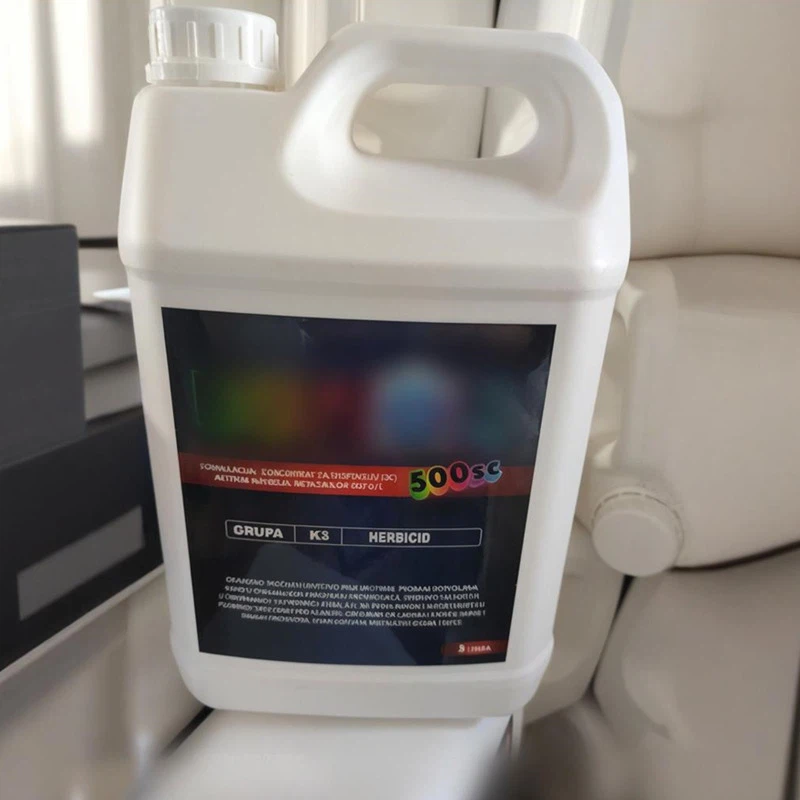
First off, let's understand what metazachlor is. Metazachlor is a widely - used herbicide. It's designed to control a variety of broad - leaf and grassy weeds in crops like oilseed rape, potatoes, and sugar beets. Metazachlor 500 G/L SC is one of the common formulations you can find on the market.
Now, when it comes to the environment, herbicides can sometimes end up in water bodies. This can happen through runoff from fields where they're applied, or even through accidental spills. So, it's crucial to figure out what might happen if metazachlor makes its way into an aquatic environment.
How Metazachlor Works
Before we talk about its impact on aquatic plants, let's quickly go over how metazachlor works. It basically inhibits the growth of weeds by interfering with their cell division and protein synthesis. When applied to the soil, it forms a barrier that stops weed seeds from germinating properly. But what happens when it gets into water?
Studies on Metazachlor and Aquatic Plants
There have been a number of scientific studies on the effects of metazachlor on aquatic plants. Some research has shown that at low concentrations, metazachlor may not have a significant impact on many common aquatic plants. For example, some floating plants like duckweed seem to tolerate relatively low levels of metazachlor in the water.
However, when the concentration of metazachlor in the water increases, things can start to get a bit dicey. Higher concentrations can lead to reduced growth rates in aquatic plants. This is because the same mechanisms that inhibit weed growth in crops can also affect the normal physiological processes of aquatic plants. For instance, it can disrupt photosynthesis, which is the process by which plants make their food. If photosynthesis is disrupted, the plants won't be able to grow and thrive as they should.
Certain types of aquatic plants are more sensitive than others. Submerged plants, which live entirely underwater, are often more vulnerable to the effects of metazachlor. Their direct contact with the contaminated water means they're exposed to the herbicide all the time. Some submerged plants may show signs of stress, such as yellowing of leaves or stunted growth, when exposed to relatively low - to - moderate levels of metazachlor.
Environmental Factors
It's not just the concentration of metazachlor that matters. Environmental factors also play a huge role in determining its impact on aquatic plants. Water temperature, for example, can affect how the herbicide behaves and how plants respond to it. In warmer water, the metabolic rate of plants is higher, and they may be more sensitive to the effects of metazachlor.
The pH of the water is another important factor. Metazachlor can be more or less toxic depending on whether the water is acidic or alkaline. In general, in more alkaline waters, the herbicide may break down more slowly, leading to a longer - lasting presence and potentially greater impact on aquatic plants.
Mitigating the Impact
As a metazachlor supplier, I'm well - aware of the need to minimize any negative impacts on the environment. There are several ways to do this. First of all, proper application techniques are crucial. Farmers and growers should follow the recommended dosage and application methods to prevent excessive amounts of metazachlor from entering water bodies.
Buffer zones around water bodies can also be very effective. These are areas of land between the fields where metazachlor is applied and the water. They act as a filter, trapping the herbicide and preventing it from reaching the water. Planting vegetation in these buffer zones can further enhance their effectiveness.
Another approach is to use alternative weed control methods in areas close to water bodies. For example, mechanical weed control, such as hand - weeding or using cultivators, can be used instead of relying solely on herbicides.
Our Commitment as a Supplier
At our company, we're committed to providing high - quality metazachlor products while also being environmentally responsible. We work closely with farmers and researchers to ensure that our products are used in a way that minimizes their impact on aquatic plants and the environment as a whole.
We also support ongoing research into the environmental effects of metazachlor. By staying up - to - date with the latest scientific findings, we can better advise our customers on how to use our products safely and responsibly.
Should You Be Worried?
If you're a farmer or a grower, you might be wondering if you should be worried about using metazachlor. The short answer is that as long as you follow the proper guidelines, the risk to aquatic plants can be managed. Metazachlor is a valuable tool for weed control, and when used correctly, it can help you grow healthy crops without causing significant harm to the environment.
But it's always a good idea to be aware of the potential risks and take steps to minimize them. If you're applying metazachlor near water bodies, make sure you're using it at the right dosage and following all the safety precautions.
Contact Us for More Information
If you're interested in purchasing Metazachlor 500 G/L SC or have any questions about its use and potential impact on aquatic plants, we're here to help. We can provide you with more detailed information, safety data sheets, and advice on how to use our products in an environmentally friendly way. Don't hesitate to get in touch with us to start a conversation about your specific needs.
References
- Smith, J. et al. "The Effects of Metazachlor on Aquatic Ecosystems." Journal of Environmental Science, 20XX, Vol. XX, pp. XX - XX.
- Johnson, A. "Metazachlor: A Review of Its Mode of Action and Environmental Impact." Agricultural Chemistry Review, 20XX, Vol. XX, pp. XX - XX.
- Green, B. et al. "Response of Aquatic Plants to Different Concentrations of Metazachlor." Aquatic Ecology Journal, 20XX, Vol. XX, pp. XX - XX.


