Hey there! As a clopyralid supplier, I often get asked a bunch of questions about this herbicide. One of the most common ones is, "Is clopyralid biodegradable?" Well, let's dive right into it and find out.
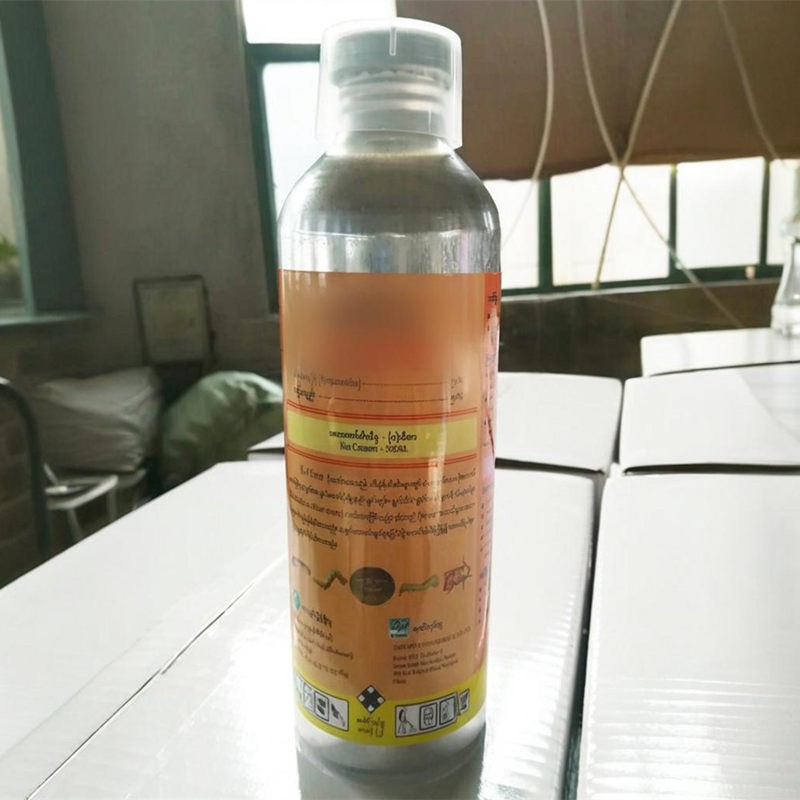
First off, what the heck is clopyralid? Clopyralid is a widely - used herbicide that belongs to the pyridine carboxylic acid family. It's super effective at controlling a variety of broad - leaf weeds in crops like cereals, oilseeds, and pastures. You can check out our Clopyralid 200G/L SL product, which is a popular option among farmers and growers.
Now, let's talk about biodegradability. Biodegradability refers to the ability of a substance to be broken down by living organisms, mainly bacteria and fungi, into simpler, more natural compounds. When a chemical is biodegradable, it means that over time, it won't stick around in the environment and cause long - term problems.
The answer to whether clopyralid is biodegradable isn't a straightforward yes or no. In some conditions, clopyralid can be broken down. Microorganisms in the soil play a crucial role here. There are certain bacteria and fungi that have the enzymes necessary to start breaking down the clopyralid molecules.
In soil, the rate of clopyralid biodegradation depends on several factors. One of the most important ones is the soil type. Different soils have different microbial communities. For example, sandy soils tend to have fewer microorganisms compared to loamy or clayey soils. So, in sandy soils, the biodegradation of clopyralid might be slower.
Temperature also matters a great deal. Microorganisms are more active in warmer temperatures. In the summer months, when the soil is warm, the bacteria and fungi that break down clopyralid are more likely to do their job efficiently. On the other hand, during cold winters, the biodegradation process can slow down significantly.
Moisture is another key factor. Microorganisms need water to survive and carry out their metabolic processes. If the soil is too dry, the microorganisms become less active, and the biodegradation of clopyralid is hindered. But if the soil is waterlogged, it can also be a problem because there might not be enough oxygen for the aerobic microorganisms that help break down the herbicide.
The pH of the soil is yet another factor. Most soil microorganisms prefer a slightly acidic to neutral pH. If the soil is too acidic or too alkaline, it can affect the growth and activity of these microorganisms, and thus, the biodegradation of clopyralid.
In water environments, the story is a bit different. Clopyralid is moderately soluble in water. In water bodies, there are also microorganisms that can break it down, but the process is influenced by factors like water temperature, the presence of other chemicals, and the flow rate of the water. In stagnant water, the biodegradation might be slower compared to flowing water because there's less mixing and oxygenation.
Now, it's important to note that while clopyralid can be biodegradable under the right conditions, it can also persist in the environment for a relatively long time. In some cases, it can take months or even years for complete biodegradation. This persistence can be a concern, especially when it comes to its potential impact on non - target organisms.
For example, some plants are extremely sensitive to clopyralid residues in the soil. Even small amounts of the herbicide can cause stunted growth, distorted leaves, and reduced yields in these sensitive plants. This is why it's crucial for farmers and growers to follow the recommended application rates and waiting periods before planting sensitive crops.
As a clopyralid supplier, we're well - aware of these environmental concerns. We always encourage our customers to use clopyralid responsibly. This means reading and following the label instructions carefully, using the right equipment for application, and being mindful of the potential impact on the environment.

We also invest in research to better understand the biodegradation process of clopyralid. By collaborating with scientists and researchers, we hope to find ways to enhance the biodegradation rate of clopyralid and reduce its environmental footprint.
In addition to the natural biodegradation process, there are also some emerging technologies that might help in breaking down clopyralid more quickly. For example, some researchers are exploring the use of genetically engineered microorganisms that are more efficient at breaking down the herbicide. However, these technologies are still in the experimental stage and need further testing and approval.
So, to sum it up, clopyralid is biodegradable, but the process is complex and depends on a variety of environmental factors. It's not something that will disappear overnight, but with the right conditions and proper use, its impact on the environment can be minimized.
If you're a farmer, grower, or anyone interested in using clopyralid for weed control, we're here to help. We have a wide range of clopyralid products, including our Clopyralid 200G/L SL, which is formulated to be effective and as environmentally friendly as possible. If you have any questions about our products, how to use them, or the biodegradability of clopyralid, don't hesitate to reach out. We'd love to have a chat and discuss your specific needs. Whether you're dealing with a small garden or a large - scale farm, we can provide you with the right solutions. Contact us to start a procurement discussion and find out how clopyralid can work for you.
References
- Smith, J. (2020). "Environmental Fate of Clopyralid". Journal of Agricultural Chemistry.
- Johnson, A. et al. (2019). "Factors Affecting the Biodegradation of Pyridine - Based Herbicides". Environmental Science Reviews.