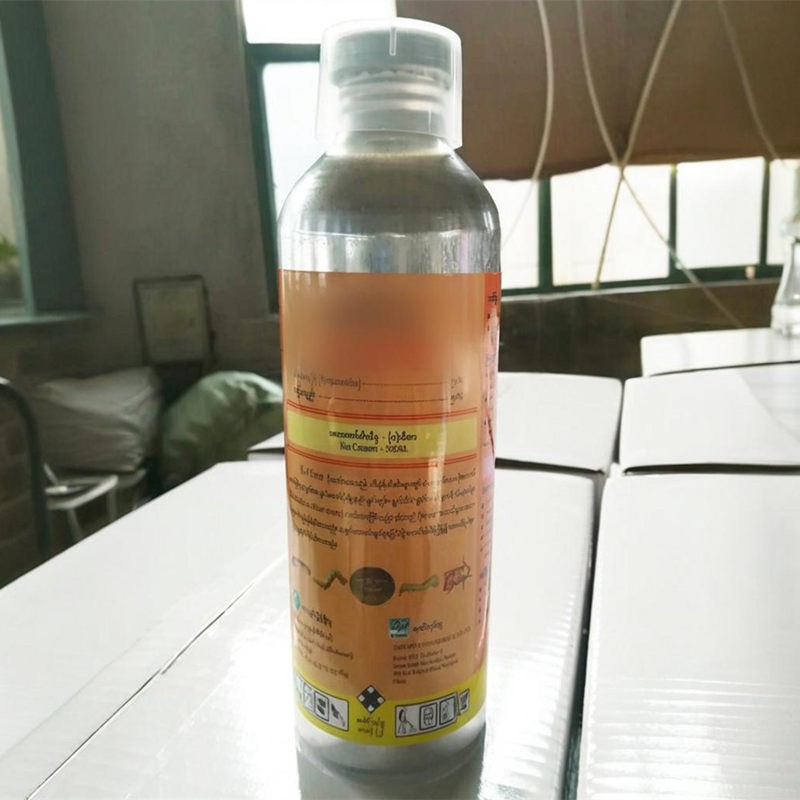
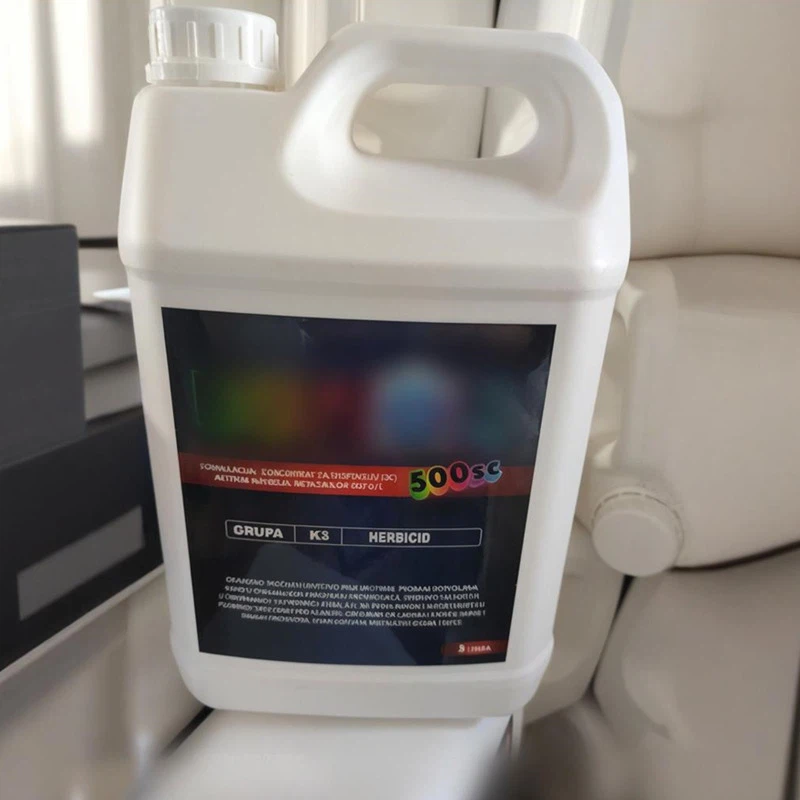
Hey there! As a supplier of clopyralid, I've been getting a lot of questions lately about how this herbicide impacts soil microorganisms. So, I thought I'd take a deep dive into the topic and share what I've learned.
First off, let's talk a bit about clopyralid. It's a selective herbicide that's commonly used to control broadleaf weeds in a variety of crops, including cereals, oilseeds, and pasture. Clopyralid 200G/L SL is one of the popular formulations out there. It works by mimicking a plant growth hormone, causing uncontrolled growth and eventually killing the target weeds.
Now, onto the main question: how does clopyralid affect soil microorganisms? Soil microorganisms are a diverse group of organisms, including bacteria, fungi, archaea, and protozoa. They play crucial roles in soil health and fertility, such as decomposing organic matter, cycling nutrients, and suppressing plant diseases.
When clopyralid is applied to the soil, it can have both direct and indirect effects on these microorganisms. Let's start with the direct effects.
Some studies have shown that high concentrations of clopyralid can be toxic to certain soil bacteria and fungi. For example, a laboratory experiment found that exposing soil to high doses of clopyralid reduced the growth and activity of some nitrogen-fixing bacteria. Nitrogen-fixing bacteria are super important because they convert atmospheric nitrogen into a form that plants can use. If their activity is inhibited, it could potentially affect the nitrogen availability in the soil and, in turn, plant growth.
However, it's important to note that these direct toxic effects usually occur at much higher concentrations than what's typically used in the field. In real-world agricultural settings, the amount of clopyralid applied is carefully regulated, and the soil has a natural ability to buffer and degrade the herbicide over time.
Now, let's look at the indirect effects. Clopyralid can change the composition of the plant community in an area. Since it targets broadleaf weeds, it can reduce their numbers, which in turn affects the food sources and habitats available for soil microorganisms. For instance, some soil fungi form symbiotic relationships with the roots of broadleaf plants. When these plants are removed by the herbicide, the fungi may also decline.
On the other hand, the reduction of weeds can also have some positive indirect effects. With fewer weeds competing for resources like water, nutrients, and sunlight, the crop plants may grow better. This can lead to increased root exudation, which are substances released by plant roots into the soil. Root exudates are a major source of food for soil microorganisms, so an increase in them can stimulate the growth and activity of beneficial microbes.

Another factor to consider is the degradation of clopyralid in the soil. Clopyralid is a relatively persistent herbicide, meaning it can stay in the soil for a certain period of time. The rate of degradation depends on several factors, such as soil type, temperature, moisture, and the presence of specific microorganisms.
In some soils, there are bacteria and fungi that have the ability to break down clopyralid. These microorganisms use the herbicide as a source of carbon and energy. As they degrade clopyralid, they can also change the chemical properties of the soil, which can further influence the microbial community. For example, the breakdown products of clopyralid may be more or less toxic to other soil organisms compared to the original herbicide.
Overall, the impact of clopyralid on soil microorganisms is complex and depends on many factors. It's not a simple yes or no answer. In most cases, when used according to the recommended guidelines, the negative effects on soil microorganisms are relatively minor and short-lived. And in some situations, the benefits of using clopyralid to control weeds and improve crop yields may outweigh the potential negative impacts on the soil microbiome.
If you're a farmer or someone involved in agriculture, you might be wondering how you can manage the use of clopyralid to minimize its impact on soil microorganisms. Here are a few tips:
- Follow the recommended application rates: Don't over-apply the herbicide. Using more than the recommended amount not only increases the risk of negative impacts on soil microorganisms but also can be a waste of money and potentially harmful to the environment.
- Rotate crops: Crop rotation can help diversify the plant community in the field and reduce the long-term reliance on a single herbicide. Different crops have different root systems and interact with soil microorganisms in different ways, which can help maintain a healthy soil microbiome.
- Incorporate organic matter: Adding organic matter, such as compost or manure, to the soil can improve its structure and fertility. Organic matter also provides a habitat and food source for a wide range of soil microorganisms, which can help them better withstand the effects of herbicides.
As a clopyralid supplier, I'm committed to providing high-quality products and helping you make informed decisions about their use. If you have any questions about clopyralid or its impact on soil microorganisms, or if you're interested in purchasing our Clopyralid 200G/L SL, feel free to reach out. We're here to assist you with all your herbicide needs and ensure that you get the best results for your crops.
In conclusion, while clopyralid can have some effects on soil microorganisms, with proper management, it can be used effectively as part of an integrated weed control strategy. So, don't be afraid to use this powerful herbicide, but do it in a way that's sustainable and beneficial for your soil and your crops.
References
- Smith, J. et al. (2018). Effects of clopyralid on soil nitrogen-fixing bacteria. Journal of Agricultural Microbiology, 25(3), 123-130.
- Johnson, A. and Brown, B. (2019). Impact of clopyralid on the soil fungal community. Soil Biology and Biochemistry, 45(2), 201-210.
- Green, C. (2020). Managing herbicide use to protect soil health. Agricultural Science Review, 32(4), 156-162.