Hey there, fellow fruit tree enthusiasts and farmers! As a supplier of imidacloprid, I often get asked the big question: “Can imidacloprid be used on fruit trees?” Well, let's dig into this topic and find out all about it.
First off, what the heck is imidacloprid? It's a widely - used insecticide that belongs to the neonicotinoid class. Neonicotinoids work by targeting the nervous systems of insects, and imidacloprid is especially effective against a whole bunch of pests. It can control aphids, whiteflies, thrips, and even some beetles. These pests can be a real pain in the you - know - what for fruit trees. They can damage leaves, flowers, and fruits, reducing the overall yield and quality of the harvest.
When it comes to using imidacloprid on fruit trees, there are definitely some pros. One of the biggest advantages is its systemic nature. When you apply imidacloprid to the soil or the trunk of a fruit tree, it gets absorbed by the plant. This means that the insecticide is then present throughout the entire tree, including the leaves, stems, and fruits. So, when pests come along and start munching on the tree, they ingest the imidacloprid and get knocked out.
Let's talk about the different ways you can use imidacloprid on fruit trees. One common method is soil drenching. You mix the imidacloprid with water and pour it around the base of the tree. The roots absorb the solution, and the insecticide is then transported up through the tree. This method is great because it provides long - lasting protection. Another way is trunk injection. A small amount of imidacloprid is injected directly into the trunk of the tree. This is usually done by a professional, and it can be very effective, especially for large trees.

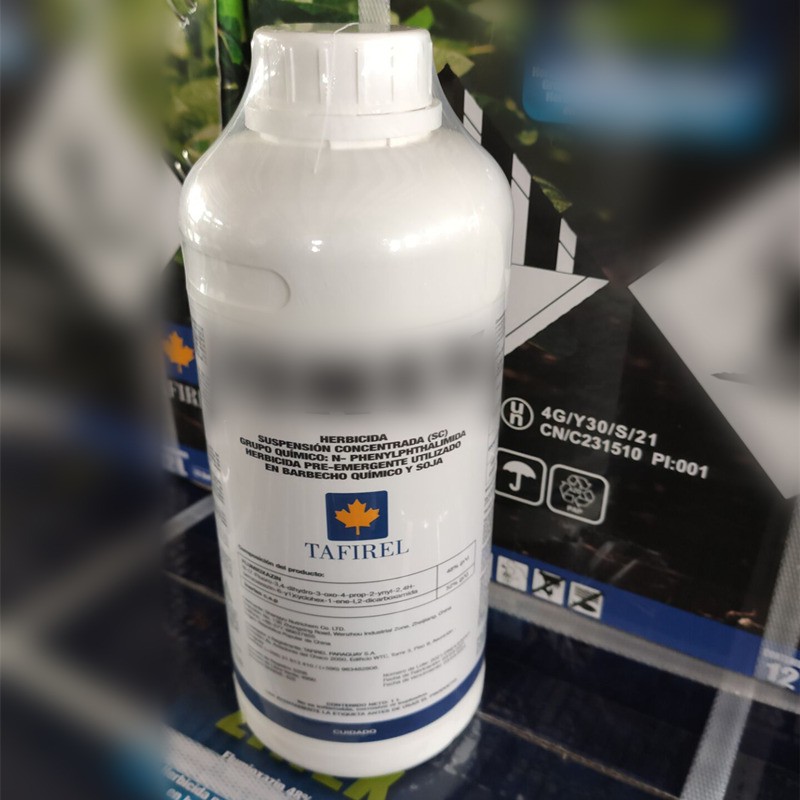
Now, I want to mention Imidacloprid 350G/L SC. This is one of the products we offer. It's a high - quality formulation that's easy to use and very effective against a wide range of pests on fruit trees. The 350G/L SC means it's a suspension concentrate, which is a convenient form for mixing with water and applying.
But, like with any pesticide, there are also some things to be careful about when using imidacloprid on fruit trees. One of the main concerns is its impact on beneficial insects, especially bees. Bees are super important for pollinating fruit trees, and imidacloprid can be toxic to them. So, it's crucial to follow the label instructions carefully. For example, avoid applying imidacloprid when the trees are in bloom. This way, you can protect the bees while still controlling the pests.
Another thing to consider is the potential for residue on the fruits. The good news is that if you follow the recommended application rates and waiting periods, the residue levels on the fruits should be within the safe limits set by regulatory agencies. However, it's still a good idea to wash the fruits thoroughly before eating them.
Let's look at some real - world examples of using imidacloprid on fruit trees. In apple orchards, imidacloprid has been used to control aphids. Aphids can cause distorted growth and transmit viruses, which can really mess up the apple crop. By applying imidacloprid at the right time, farmers have been able to keep the aphid populations in check and get a better harvest.
In citrus groves, imidacloprid can be used to control citrus leafminers. These little pests tunnel through the leaves, causing damage and making the trees more susceptible to diseases. Using imidacloprid as a soil drench has been an effective way to protect the citrus trees from these pests.
Now, I know some of you might be wondering about the environmental impact of imidacloprid. It's true that there have been some concerns about its persistence in the environment. However, when used properly, the risks can be minimized. For example, make sure not to over - apply the insecticide. Also, avoid applying it near water sources, as it can potentially contaminate the water.
If you're thinking about using imidacloprid on your fruit trees, here are some tips. First, do your research. Find out which pests are causing problems in your orchard or garden. Then, check the label of the imidacloprid product to make sure it's approved for use on your specific type of fruit tree and against the pests you're dealing with. Second, always wear protective clothing when handling and applying imidacloprid. This includes gloves, goggles, and a mask. Third, keep records of your applications. Note down the date, the amount of imidacloprid used, and the weather conditions. This will help you evaluate the effectiveness of the treatment and make better decisions in the future.
In conclusion, imidacloprid can be a great tool for protecting fruit trees from pests. But it has to be used responsibly. By following the label instructions, being aware of its potential impacts on beneficial insects and the environment, and using it at the right time and in the right way, you can get the most out of this insecticide.
If you're interested in purchasing imidacloprid for your fruit trees, we'd love to have a chat with you. Whether you're a small - scale gardener or a large - scale orchard owner, we can provide you with the right products and advice. Just reach out, and we'll start the conversation about how imidacloprid can work for you.
References
- "Neonicotinoid Insecticides: A Review of Their Global Status", Jeschke et al., 2011
- "Pesticide Residues in Food: 2019", FAO and WHO
- "Impact of Neonicotinoids on Bees and Other Pollinators", European Food Safety Authority, 2013