In the realm of modern agriculture, the effective management of weeds is crucial for ensuring high - quality crop yields. As a trusted supplier of clopyralid, I am often asked about how this powerful herbicide works in combination with other pesticides. In this blog, I'll delve into the science behind these combinations, exploring their mechanisms, benefits, and potential challenges.
Understanding Clopyralid
Clopyralid is a selective systemic herbicide belonging to the pyridine carboxylic acid family. It is highly effective against a wide range of broad - leaf weeds, especially those in the Asteraceae, Fabaceae, and Solanaceae families. The mode of action of clopyralid involves mimicking the plant hormone auxin (indole - 3 - acetic acid). When absorbed by the target weeds, clopyralid disrupts normal plant growth regulation, leading to uncontrolled cell division, abnormal tissue development, and eventually, the death of the weed.
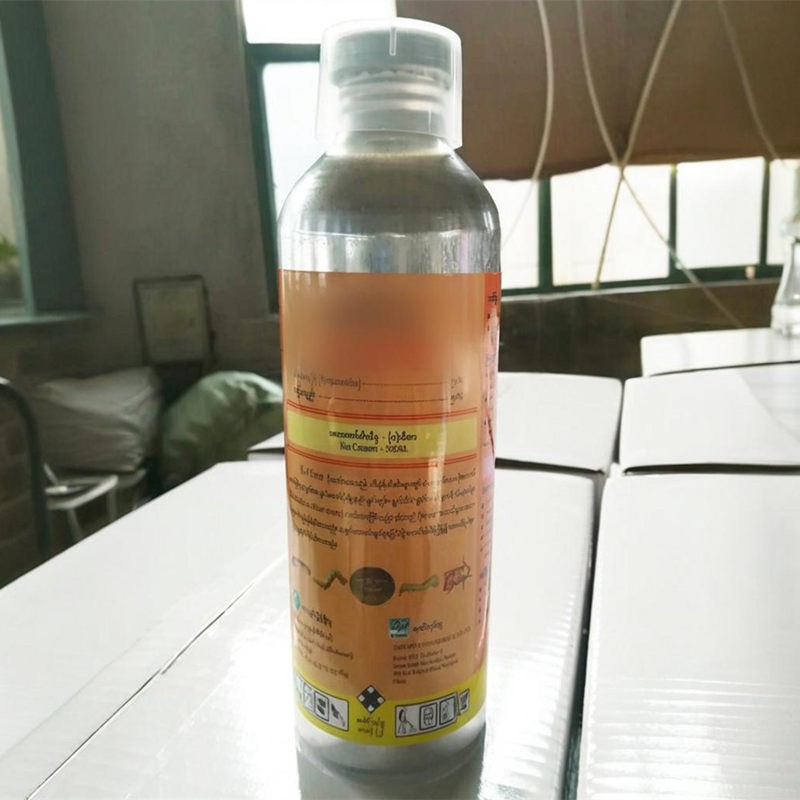
One of the key advantages of clopyralid is its long - lasting residual activity in the soil. This allows for extended control of emerging weeds, reducing the need for frequent re - application. Moreover, it has a relatively low toxicity to many non - target organisms, making it an environmentally friendly option when used correctly. For more information on our Clopyralid 200G/L SL, a popular formulation of clopyralid we offer, you can visit the provided link.
Combinations with Other Herbicides
Synergistic Combinations
Combining clopyralid with other herbicides can result in synergistic effects, where the combined action of the two or more chemicals is greater than the sum of their individual effects. For example, when clopyralid is mixed with 2,4 - D (2,4 - dichlorophenoxyacetic acid), another common auxin - mimicking herbicide, they can target a broader spectrum of broad - leaf weeds. 2,4 - D is effective against many common broad - leaf weeds, while clopyralid has a more specific activity against certain weed families. Together, they can provide comprehensive control of a wide range of weeds in crops such as cereals, pastures, and turf.
The synergistic effect also helps in reducing the dosage of each herbicide required. This not only reduces the cost of weed control but also minimizes the potential negative impacts on the environment. By using lower doses, there is less risk of herbicide residues in the soil and water, and less harm to non - target organisms.
Complementary Combinations
In addition to synergistic combinations, clopyralid can be combined with herbicides that have different modes of action. For instance, combining clopyralid with glyphosate, a non - selective herbicide that inhibits the enzyme 5 - enolpyruvylshikimate - 3 - phosphate synthase (EPSPS) in plants, can be very effective. Glyphosate is known for its broad - spectrum activity against both broad - leaf and grassy weeds, while clopyralid targets specific broad - leaf weeds. This combination is useful in situations where there is a mixed population of weeds, such as in fallow fields or before planting.
Another example is the combination of clopyralid with sulfonylurea herbicides. Sulfonylureas work by inhibiting the enzyme acetolactate synthase (ALS), which is involved in the biosynthesis of branched - chain amino acids in plants. When combined with clopyralid, they can provide a multi - pronged approach to weed control. Sulfonylureas are effective against many small - seeded broad - leaf weeds and some grasses, while clopyralid takes care of the more stubborn broad - leaf weeds in its target range.

Combinations with Insecticides and Fungicides
Integrated Pest Management
In modern agriculture, the concept of integrated pest management (IPM) is widely adopted. This approach involves using a combination of different pest control methods, including the use of pesticides, to minimize the impact on the environment and maximize the effectiveness of pest control. As a clopyralid supplier, I often see farmers combining clopyralid with insecticides and fungicides to address multiple pest problems simultaneously.
For example, in a soybean field, clopyralid can be used to control broad - leaf weeds, while an insecticide can be applied to manage pests such as aphids or soybean loopers, and a fungicide can be used to prevent diseases like soybean rust. By applying these pesticides in a coordinated manner, farmers can save time and labor, as well as reduce the overall cost of pest control.
Compatibility Considerations
However, when combining clopyralid with insecticides and fungicides, it is important to consider their compatibility. Some pesticides may react with each other, leading to reduced efficacy or even the formation of harmful by - products. For example, some alkaline insecticides or fungicides may react with the acidic clopyralid formulation, causing precipitation or degradation of the active ingredients. Therefore, it is essential to carefully read the product labels and conduct small - scale tests before large - scale application.
Challenges in Combinations
Resistance Management
One of the major challenges in using combinations of pesticides is the development of weed resistance. Over time, weeds can evolve to become resistant to one or more of the pesticides used. When using combinations, it is important to rotate different pesticide mixtures and use different modes of action to prevent the development of resistance. For example, if a particular combination of clopyralid and another herbicide is used repeatedly in the same field, weeds may develop resistance to the combined action. By rotating to a different combination or using other control methods such as mechanical weeding, the risk of resistance can be reduced.
Environmental Impact
Although combining pesticides can be an effective way to control pests, it also increases the potential environmental impact. Each additional pesticide added to the mixture increases the amount of chemicals released into the environment. Therefore, it is crucial to follow the recommended application rates and safety guidelines. Additionally, it is important to consider the fate of the pesticides in the environment, such as their persistence in the soil, their potential to leach into groundwater, and their impact on non - target organisms.
Benefits of Using Combinations for Farmers
Cost - Effectiveness
Combining pesticides can be cost - effective for farmers. By using a single application to control multiple pests, farmers can save on labor, fuel, and equipment costs. For example, instead of making separate applications of a herbicide, an insecticide, and a fungicide, they can mix them together and apply them in one pass. This not only saves time but also reduces the overall cost of pest control.
Improved Crop Yields
Effective pest control is essential for achieving high crop yields. By using combinations of pesticides, farmers can ensure that their crops are protected from a wide range of pests and diseases. This leads to healthier plants, better growth, and ultimately, higher yields. For example, in a wheat field, controlling weeds with a combination of clopyralid and other herbicides, along with protecting the crop from insects and diseases using appropriate pesticides, can result in a significant increase in grain yield.
Conclusion
As a clopyralid supplier, I understand the importance of providing farmers with effective solutions for weed and pest control. Combining clopyralid with other pesticides can be a powerful strategy for achieving comprehensive pest management. Whether it's through synergistic combinations with other herbicides, or integrated pest management approaches involving insecticides and fungicides, these combinations offer many benefits, including broader pest control, cost - effectiveness, and improved crop yields.
However, it is crucial to use these combinations responsibly, taking into account factors such as resistance management and environmental impact. By following the recommended guidelines and best practices, farmers can make the most of these combinations while minimizing the potential negative effects.
If you are interested in learning more about our clopyralid products or discussing potential pesticide combinations for your specific farming needs, we encourage you to contact us. We have a team of experts who can provide you with detailed information and advice on the best pest control strategies for your crops.
References
- Anonymous. (Year). "Clopyralid: Mode of Action and Use in Agriculture." Agricultural Chemicals Journal.
- Smith, J. (Year). "Synergistic Effects of Herbicide Combinations." Weed Science Research.
- Johnson, A. (Year). "Integrated Pest Management in Modern Agriculture." Journal of Sustainable Agriculture.