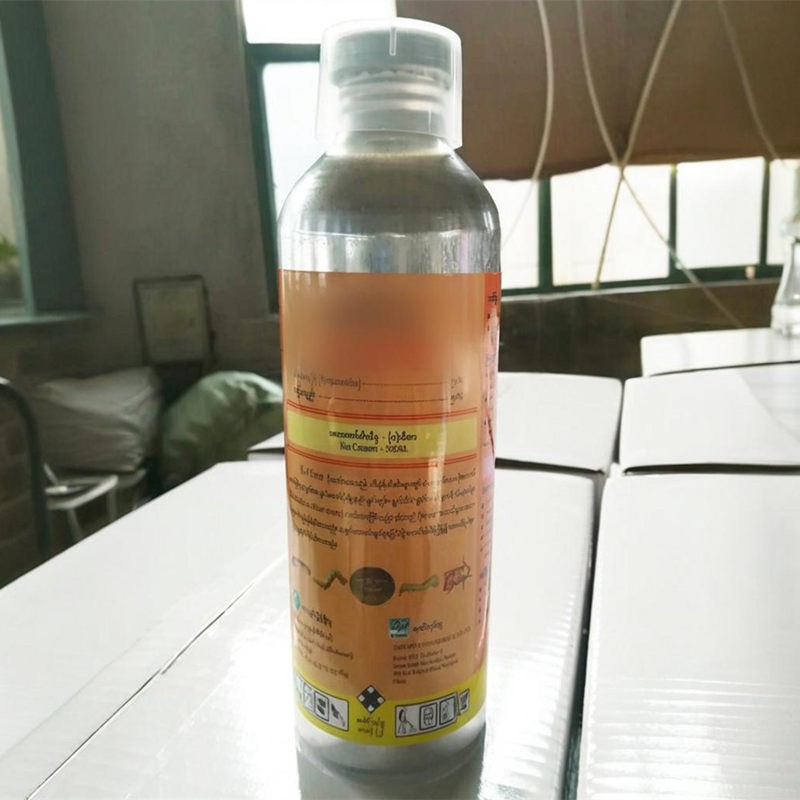
Fludioxonil is a well - known fungicide in the agricultural and horticultural sectors. As a supplier of fludioxonil, I have witnessed its widespread use and have also compared it with other fungicides in various aspects, especially in terms of application convenience.
1. General Characteristics of Fludioxonil
Fludioxonil belongs to the phenylpyrrole class of fungicides. It has a broad - spectrum activity against a wide range of fungal pathogens, including Botrytis cinerea, Fusarium spp., and Penicillium spp. This broad - spectrum nature makes it a valuable tool for farmers and growers in protecting their crops from multiple diseases.
One of the key features of fludioxonil is its mode of action. It inhibits the fungal mitogen - activated protein (MAP) kinase cascade, which is essential for fungal growth, development, and stress response. This unique mode of action reduces the risk of cross - resistance with other classes of fungicides, allowing for more effective long - term disease management.
2. Application Convenience of Fludioxonil
2.1 Formulation Options
Fludioxonil is available in various formulations, such as flowable concentrates (FS), suspension concentrates (SC), and water - dispersible granules (WG). These different formulations offer flexibility in application methods. For example, the flowable concentrate formulation like Fludioxonil 24G/L + Difenoconazole 24G/L FS is particularly suitable for seed treatment. It can be easily mixed with water and applied uniformly on the seeds, providing a protective coating against soil - borne and seed - borne fungal diseases.
In contrast, some other fungicides may have limited formulation options. For instance, certain older - generation fungicides are only available in powder form, which can be more difficult to mix evenly and may cause dust problems during handling.
2.2 Compatibility with Other Products
Fludioxonil shows good compatibility with many other agricultural chemicals, including fertilizers, insecticides, and other fungicides. This means that it can be tank - mixed with other products, saving time and labor during application. For example, when combined with an appropriate insecticide, it can provide simultaneous protection against both fungal diseases and insect pests in a single spraying operation.
On the other hand, some fungicides may have compatibility issues with other chemicals. When trying to tank - mix them, it can lead to precipitation, reduced efficacy, or even damage to the spraying equipment. This lack of compatibility restricts the flexibility of application and may require separate spraying operations, increasing the overall workload.
2.3 Application Equipment Requirements
The application of fludioxonil does not require specialized or expensive equipment. It can be applied using common agricultural spraying equipment, such as backpack sprayers, tractor - mounted sprayers, or aerial sprayers. This makes it accessible to a wide range of farmers, from small - scale growers to large - scale commercial farms.
In comparison, some high - tech or newly developed fungicides may require specific application equipment, which can be costly to purchase and maintain. For example, certain fungicides that need to be applied in a very precise manner may require advanced electrostatic spraying equipment, which is not affordable for many small - and medium - sized farms.
2.4 Residual Activity and Re - application Frequency
Fludioxonil has a relatively long residual activity on the treated surfaces. Once applied, it can provide protection for an extended period, reducing the need for frequent re - applications. This is a significant advantage in terms of application convenience, as it saves time and resources.
Some other fungicides may have a shorter residual activity, requiring more frequent spraying to maintain an effective level of disease control. This not only increases the labor and cost but also exposes the crops to more chemical inputs, which may have potential negative impacts on the environment and human health.
3. Comparison with Specific Types of Fungicides
3.1 Comparison with Copper - based Fungicides
Copper - based fungicides have been used for a long time in agriculture. They are effective against a variety of fungal and bacterial diseases. However, their application can be more cumbersome. Copper - based fungicides often need to be applied at relatively high rates, and they can cause phytotoxicity to some sensitive crops if not applied correctly.
In terms of formulation, copper - based fungicides are usually in the form of powders or wettable powders, which can be difficult to mix and may clog the spraying nozzles. Moreover, they are not very compatible with many other agricultural chemicals, limiting their tank - mixing options.
Fludioxonil, on the other hand, has a lower risk of phytotoxicity and is easier to handle in terms of formulation and mixing. It can be applied at lower rates while still providing effective disease control, making it a more convenient choice for farmers.
3.2 Comparison with Strobilurin Fungicides
Strobilurin fungicides are another important class of fungicides with broad - spectrum activity. They work by inhibiting mitochondrial respiration in fungi. However, they are prone to the development of resistance in fungal populations. To delay resistance, they often need to be used in rotation or combination with other fungicides.
In terms of application, strobilurin fungicides may have a relatively narrow window of application timing. If applied too early or too late, their efficacy may be significantly reduced. Fludioxonil, with its different mode of action, can be used in combination with strobilurins to enhance disease control and reduce the risk of resistance. And its application timing is more flexible, providing greater convenience for growers.
4. Real - world Experiences and Feedback
Many farmers and growers who have used fludioxonil have provided positive feedback regarding its application convenience. In a survey conducted among our customers, a significant number of respondents mentioned that the ease of mixing the fludioxonil formulations, especially the flowable concentrates, was a major advantage. They also appreciated the ability to tank - mix it with other products, which saved them a lot of time and effort.
Some farmers in regions with limited access to advanced agricultural equipment also found fludioxonil to be a suitable choice because it could be applied using their existing simple spraying tools.
5. Conclusion and Call to Action
In conclusion, fludioxonil offers several advantages in terms of application convenience compared to other fungicides. Its diverse formulation options, good compatibility with other products, low - requirement for application equipment, long residual activity, and flexibility in application timing make it a top - choice for farmers and growers.
If you are looking for a convenient and effective fungicide for your crops, fludioxonil could be the solution you need. We, as a professional fludioxonil supplier, are committed to providing high - quality products and excellent service. If you are interested in purchasing fludioxonil or have any questions about its application, please feel free to contact us for further discussion and procurement negotiation.

References
- Brent, K. J., & Hollomon, D. W. (2007). Fungicide resistance in crop pathogens: How can it be managed? BCPC Publications.
- FRAC (Fungicide Resistance Action Committee). (2023). Mode of action classification of fungicides.
- Gullino, M. L., & Kuijpers, A. (2011). Integrated management of plant diseases. Springer.