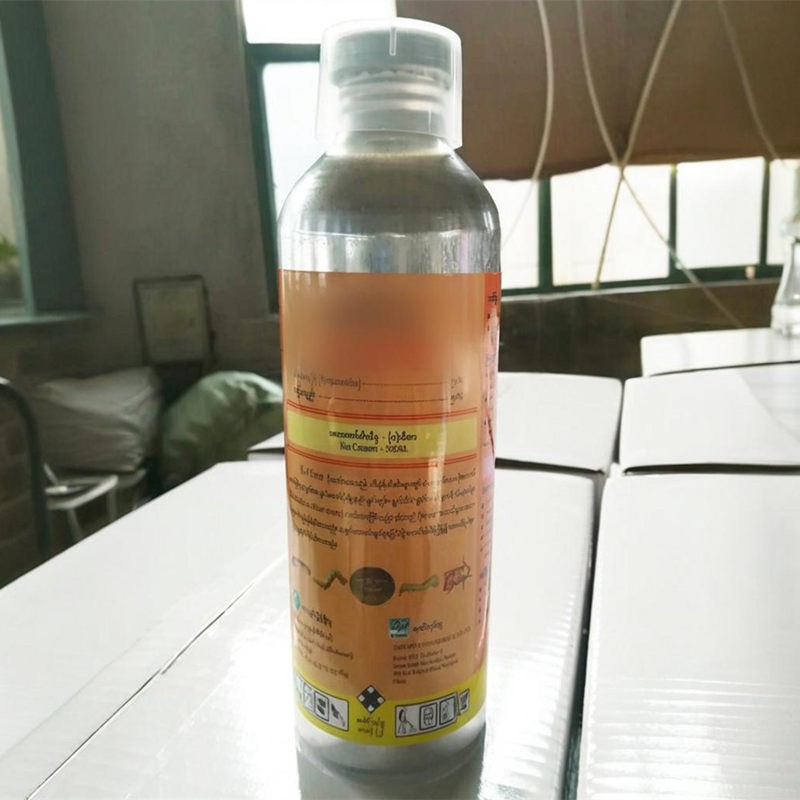
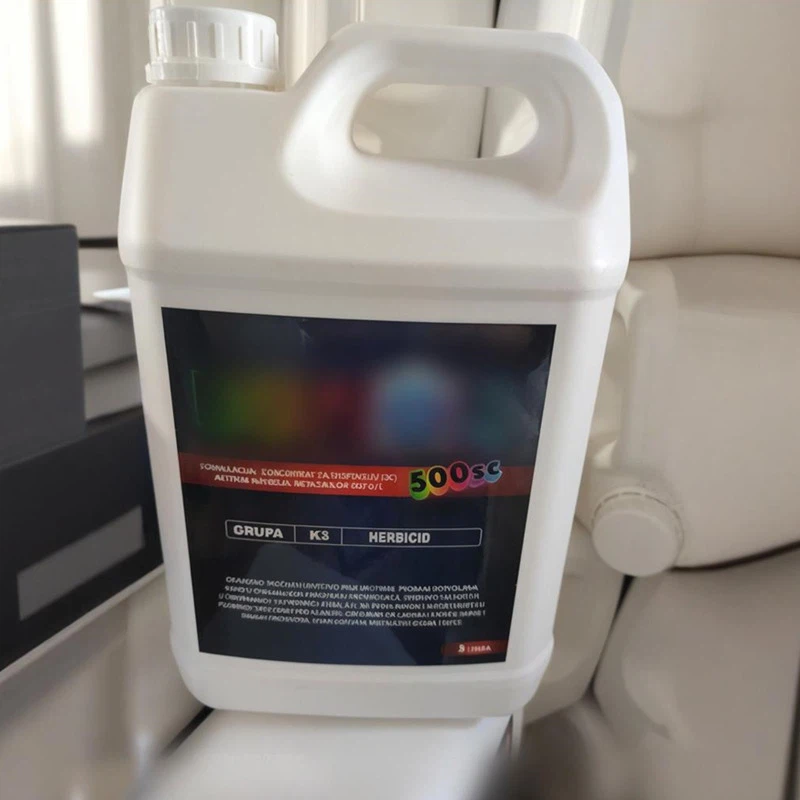
MCPA, short for 2-methyl-4-chlorophenoxyacetic acid, is a widely used selective herbicide that has been a staple in the agricultural and horticultural sectors for decades. As a supplier of MCPA products, such as MCPA 650G/L SL, I have witnessed firsthand the benefits it brings in controlling broadleaf weeds. However, it's crucial to understand how MCPA affects non - target plants, as this knowledge is essential for responsible use and environmental stewardship.
Mechanism of Action of MCPA
Before delving into its impact on non - target plants, it's important to understand how MCPA works. MCPA belongs to the phenoxy herbicide family. It acts as a synthetic auxin, a plant hormone that regulates growth and development. When applied to target broadleaf weeds, MCPA disrupts the normal growth patterns of these plants. It causes uncontrolled cell division and elongation, leading to distorted growth, abnormal leaf and stem development, and eventually, the death of the weed.

Factors Influencing MCPA's Impact on Non - target Plants
Several factors can influence how MCPA affects non - target plants. One of the most significant factors is the method of application. If MCPA is applied by spraying, there is a risk of drift. Wind can carry the herbicide particles away from the target area and onto non - target plants. The distance of drift can vary depending on wind speed, droplet size, and the height of the spray boom. Smaller droplets are more likely to drift over longer distances.
The timing of application also plays a crucial role. Non - target plants may be more sensitive to MCPA at certain stages of their growth. For example, young and actively growing plants are generally more vulnerable than mature plants. Applying MCPA during periods of rapid growth of non - target species can increase the likelihood of damage.
Soil conditions can also affect the behavior of MCPA. The herbicide can be adsorbed to soil particles, and its availability for uptake by plants can be influenced by soil pH, organic matter content, and texture. In alkaline soils, MCPA may be less available for plant uptake, while in acidic soils, it may be more mobile and potentially more harmful to non - target plants.
Symptoms of MCPA Damage on Non - target Plants
Non - target plants exposed to MCPA can exhibit a variety of symptoms. These symptoms can vary depending on the plant species, the dose of MCPA, and the stage of plant development at the time of exposure.
One of the most common symptoms is leaf curling and distortion. The leaves may become cupped, twisted, or have a strap - like appearance. This is due to the disruption of normal cell growth and division processes by MCPA. In some cases, the margins of the leaves may turn yellow or brown.
Stem elongation and bending can also occur. The stems may become weak and may not be able to support the normal growth of the plant. This can lead to lodging, where the plants fall over.
Flower and fruit development can be severely affected. Non - target plants may experience reduced flower production, abnormal flower formation, and poor fruit set. The flowers may be misshapen, and the fruits may be small, deformed, or fail to develop at all.
In severe cases, MCPA exposure can lead to plant death. The plant may stop growing, and the leaves and stems may turn brown and dry up. This is more likely to occur when non - target plants are exposed to high doses of MCPA.
Long - term Effects on Non - target Plants and Ecosystems
The long - term effects of MCPA on non - target plants can have significant implications for ecosystems. If non - target plant species are damaged or killed, it can disrupt the food web. Many insects, birds, and other wildlife rely on specific plant species for food and habitat. The loss of these plants can lead to a decline in the populations of these animals.
MCPA damage to non - target plants can also affect plant community dynamics. Some plant species may be more sensitive to MCPA than others. This can lead to changes in the relative abundance of different plant species in an area. Over time, this can result in a shift in the composition of the plant community, potentially leading to a loss of biodiversity.
In addition, MCPA can have indirect effects on soil organisms. The herbicide can affect the activity and abundance of soil bacteria, fungi, and earthworms. These organisms play important roles in nutrient cycling, soil structure maintenance, and plant health. Disrupting their populations can have long - term consequences for soil fertility and the overall health of the ecosystem.
Mitigating the Impact on Non - target Plants
As a MCPA supplier, I am committed to promoting the responsible use of our products to minimize the impact on non - target plants. One of the most effective ways to reduce the risk of drift is to use proper application techniques. This includes using equipment that can produce larger droplets, adjusting the spray boom height, and avoiding spraying on windy days.
Selecting the appropriate dose of MCPA is also crucial. Using the recommended dose for the target weeds can help reduce the risk of over - application and subsequent damage to non - target plants. It's important to follow the label instructions carefully and to calibrate spray equipment regularly to ensure accurate application.
Buffer zones can be established around areas where non - target plants are present. These buffer zones can act as a barrier to prevent MCPA drift from reaching sensitive plants. The width of the buffer zone can vary depending on the specific situation, but it should be wide enough to provide adequate protection.
Conclusion
MCPA is a valuable herbicide for controlling broadleaf weeds, but its potential impact on non - target plants cannot be ignored. By understanding the factors that influence its behavior, the symptoms of damage, and the long - term effects on ecosystems, we can take steps to minimize these risks.
As a supplier, I am dedicated to providing high - quality MCPA products and to educating our customers about the responsible use of these products. If you are interested in purchasing our MCPA products, such as MCPA 650G/L SL, or have any questions about its use and potential impact on non - target plants, I encourage you to contact us for further discussion and to start a procurement negotiation. We are here to help you achieve effective weed control while protecting the environment and non - target plants.
References
- Anonymous. (Year). "Phenoxy Herbicides: Mode of Action and Use". Agricultural Chemical Handbook.
- Smith, J. (Year). "The Impact of Herbicides on Non - Target Plant Species". Journal of Environmental Science and Agriculture.
- Johnson, A. (Year). "Factors Affecting the Drift of Herbicides". Weed Science Research.