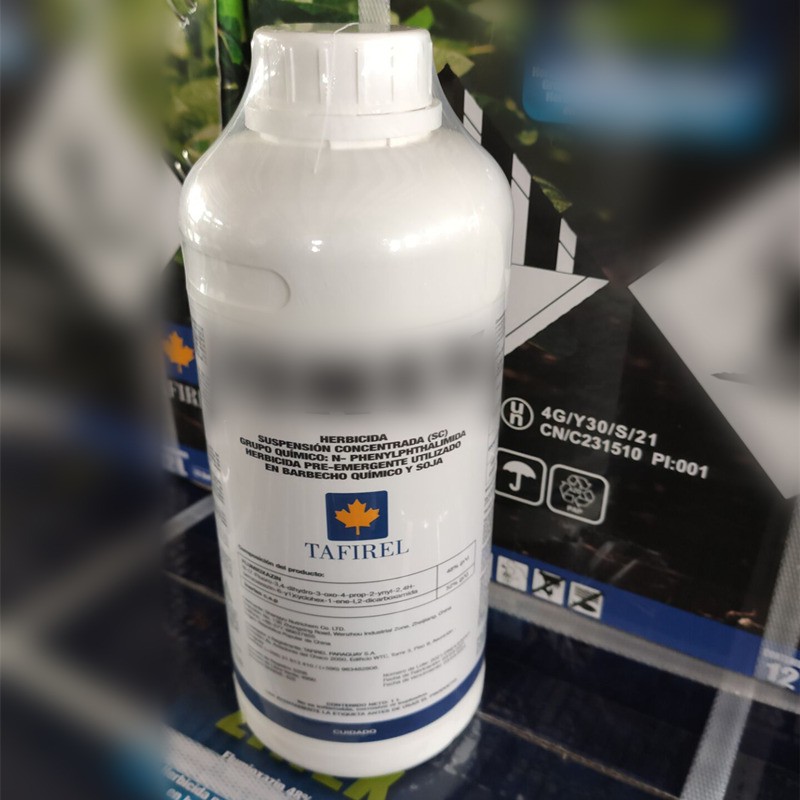
Pinoxaden is a highly effective herbicide that has gained significant attention in the agricultural industry. As a leading supplier of Pinoxaden, I am often asked about its impact on plant growth hormones. In this blog post, I will delve into the scientific aspects of how Pinoxaden affects plant growth hormones, providing you with a comprehensive understanding of its mechanism of action and implications for plant growth.
Understanding Plant Growth Hormones
Before we explore the effects of Pinoxaden on plant growth hormones, it is essential to understand the role of these hormones in plant development. Plant growth hormones, also known as phytohormones, are chemical messengers that regulate various physiological processes in plants, including cell division, elongation, differentiation, and organ development. The major classes of plant growth hormones include auxins, gibberellins, cytokinins, abscisic acid, and ethylene.
- Auxins: Auxins are primarily responsible for cell elongation and apical dominance. They promote the growth of the main stem while suppressing the growth of lateral buds.
- Gibberellins: Gibberellins stimulate stem elongation, seed germination, and flowering. They also play a role in the regulation of fruit development.
- Cytokinins: Cytokinins promote cell division and differentiation, and they are involved in the regulation of shoot and root growth.
- Abscisic Acid: Abscisic acid is a stress hormone that regulates plant responses to environmental stresses such as drought, cold, and salinity. It also plays a role in seed dormancy and stomatal closure.
- Ethylene: Ethylene is a gaseous hormone that regulates various processes in plants, including fruit ripening, senescence, and abscission.
How Pinoxaden Affects Plant Growth Hormones
Pinoxaden belongs to the chemical class of aryloxyphenoxypropionates (APPs), which are known to inhibit the activity of acetyl-CoA carboxylase (ACCase), an enzyme involved in fatty acid biosynthesis in plants. By inhibiting ACCase, Pinoxaden disrupts the production of fatty acids, which are essential components of cell membranes and other cellular structures.
The disruption of fatty acid biosynthesis by Pinoxaden has several indirect effects on plant growth hormones. One of the primary effects is the inhibition of cell division and elongation, which are regulated by auxins and gibberellins. When Pinoxaden is applied to plants, it interferes with the normal functioning of these hormones, leading to reduced growth and development.
In addition to its effects on auxins and gibberellins, Pinoxaden can also affect the levels of other plant growth hormones. For example, studies have shown that Pinoxaden can increase the levels of abscisic acid in plants, which can lead to stomatal closure and reduced water loss. This effect can be beneficial in drought-prone areas, as it helps plants to conserve water and survive under stressful conditions.
Another way in which Pinoxaden affects plant growth hormones is through its impact on the balance between different hormones. In healthy plants, the levels of different growth hormones are tightly regulated to maintain normal growth and development. However, when Pinoxaden is applied, it can disrupt this balance, leading to abnormal growth patterns and reduced plant vigor.
Implications for Plant Growth and Development
The effects of Pinoxaden on plant growth hormones have significant implications for plant growth and development. When Pinoxaden is applied to weeds, it inhibits their growth and development, ultimately leading to their death. This makes Pinoxaden an effective herbicide for controlling a wide range of grassy weeds in various crops.
However, the effects of Pinoxaden on plant growth hormones are not limited to weeds. If Pinoxaden is applied at high rates or under certain environmental conditions, it can also affect the growth and development of crops. For example, excessive application of Pinoxaden can lead to stunted growth, reduced yields, and other negative effects on crop quality.
To minimize the potential negative effects of Pinoxaden on crops, it is important to follow the recommended application rates and timing. It is also important to consider the specific crop and environmental conditions when using Pinoxaden. In some cases, the use of a safener such as cloquintocet-mexyl can help to reduce the phytotoxicity of Pinoxaden on crops.
The Role of Pinoxaden 100G/L + Cloquintocet-mexyl 25G/L EC
As a supplier of Pinoxaden, I offer a formulation of Pinoxaden 100G/L + Cloquintocet-mexyl 25G/L EC. This formulation combines the herbicidal activity of Pinoxaden with the safening effect of cloquintocet-mexyl, providing effective weed control while minimizing the potential negative effects on crops.
Pinoxaden 100G/L + Cloquintocet-mexyl 25G/L EC is a highly effective herbicide for controlling grassy weeds in wheat, barley, and other cereal crops. It has a broad spectrum of activity against a wide range of grassy weeds, including wild oats, black-grass, and ryegrass.
The addition of cloquintocet-mexyl to the formulation helps to protect the crop from the potential phytotoxic effects of Pinoxaden. Cloquintocet-mexyl acts as a safener by enhancing the metabolism of Pinoxaden in the crop, reducing its concentration in the plant tissues and minimizing its negative effects on growth and development.
Conclusion
In conclusion, Pinoxaden is a highly effective herbicide that affects plant growth hormones by inhibiting the activity of ACCase and disrupting fatty acid biosynthesis. The disruption of fatty acid biosynthesis has several indirect effects on plant growth hormones, including the inhibition of cell division and elongation, changes in the levels of other hormones, and disruption of the hormonal balance.
The effects of Pinoxaden on plant growth hormones have significant implications for plant growth and development, both in weeds and crops. While Pinoxaden is an effective herbicide for controlling grassy weeds, it is important to use it carefully to minimize the potential negative effects on crops.
As a supplier of Pinoxaden, I offer a formulation of Pinoxaden 100G/L + Cloquintocet-mexyl 25G/L EC, which provides effective weed control while minimizing the potential negative effects on crops. If you are interested in learning more about our Pinoxaden products or have any questions about their use, please feel free to contact us for further information and to discuss your procurement needs.

References
- Devine, M. D., & Shukla, V. K. (2000). Herbicide Biochemistry and Physiology. CRC Press.
- Grossmann, K., & Kwiatkowski, P. (2000). Mode of action of aryloxyphenoxypropionate and cyclohexanedione herbicides. Pest Management Science, 56(3), 209-217.
- Hatzios, K. K., & Penner, D. (1985). Herbicide Safeners: Chemistry, Biochemistry, and Mode of Action. Academic Press.