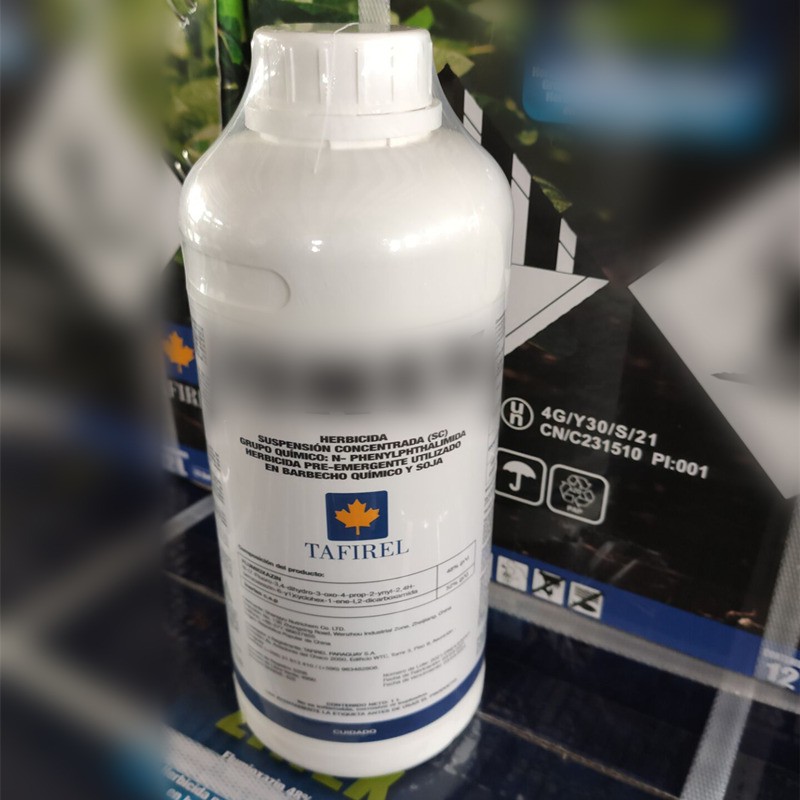
Pinoxaden is a highly effective herbicide that has gained significant popularity in the agricultural industry due to its excellent performance in controlling grass weeds. As a leading pinoxaden supplier, I am often asked about how pinoxaden interacts with other chemicals in the soil. In this blog post, I will delve into the scientific aspects of these interactions and their implications for agricultural applications.
Understanding Pinoxaden
Pinoxaden belongs to the chemical class of pyrazolines and acts as an acetyl - CoA carboxylase (ACCase) inhibitor. This mode of action specifically targets grass weeds by disrupting the fatty acid synthesis process, leading to the death of the targeted plants. It is known for its high selectivity, which means it can effectively control grass weeds while being relatively safe for many broad - leaf crops.
Interaction with Soil Organic Matter
Soil organic matter (SOM) plays a crucial role in the fate of pinoxaden in the soil. Pinoxaden has a certain degree of affinity for organic matter. When applied to the soil, it can adsorb onto the surface of organic particles. This adsorption process is mainly governed by hydrophobic interactions and hydrogen bonding.
The presence of SOM can reduce the bioavailability of pinoxaden. A higher content of organic matter in the soil can lead to more pinoxaden being adsorbed, which in turn may decrease the amount of the herbicide available for uptake by weeds. However, this also has a positive aspect. Adsorption to SOM can slow down the degradation of pinoxaden, extending its half - life in the soil. This means that in soils with high organic matter content, pinoxaden may remain active for a longer period, providing more sustained weed control.
Interaction with Soil Minerals
Soil minerals, such as clay minerals, also interact with pinoxaden. Clay minerals have a large surface area and a negative charge on their surfaces. Pinoxaden molecules can interact with these charged surfaces through electrostatic forces.
Montmorillonite, a common clay mineral, has been shown to have a relatively high adsorption capacity for pinoxaden. The adsorption on clay minerals can affect the mobility of pinoxaden in the soil. When pinoxaden is adsorbed onto clay particles, its movement through the soil profile is restricted. This can prevent leaching of the herbicide into groundwater, which is an important environmental consideration.
However, the interaction with clay minerals can also influence the efficacy of pinoxaden. If a large amount of the herbicide is adsorbed onto clay particles, it may not be readily available for uptake by weeds. In some cases, the presence of high - clay content soils may require higher application rates of pinoxaden to achieve the desired weed control effect.
Interaction with Other Herbicides and Chemicals
In agricultural practice, pinoxaden is often used in combination with other herbicides or chemicals. One of the common combinations is Pinoxaden 100G/L + Cloquintocet - mexyl 25G/L EC. Cloquintocet - mexyl is a safener that is added to protect certain crops from the potential phytotoxic effects of pinoxaden.
The safener works by inducing the activity of certain enzymes in the crop plants that can detoxify pinoxaden. This allows for the selective control of grass weeds while minimizing damage to the crops. The interaction between pinoxaden and cloquintocet - mexyl is a carefully balanced one, ensuring that the herbicidal activity of pinoxaden is maintained against weeds while the crop remains protected.
When pinoxaden is used in combination with other herbicides, the interactions can be more complex. For example, if it is mixed with a herbicide that has a different mode of action, such as a photosystem II inhibitor, the combined effect on weeds may be synergistic. Synergistic interactions occur when the combined effect of two or more herbicides is greater than the sum of their individual effects. This can lead to more effective weed control at lower application rates of each herbicide, reducing the overall environmental impact.
On the other hand, there can also be antagonistic interactions. Antagonism occurs when the combined effect of two herbicides is less than the sum of their individual effects. This may happen if the two herbicides interfere with each other's uptake, translocation, or mode of action in the weeds. Therefore, when formulating herbicide mixtures, it is essential to carefully consider these potential interactions to ensure optimal weed control.

Interaction with Soil Microorganisms
Soil microorganisms, including bacteria and fungi, can have a significant impact on the fate of pinoxaden in the soil. Some microorganisms have the ability to degrade pinoxaden through enzymatic processes. For example, certain bacteria can break down pinoxaden into less toxic or non - toxic metabolites.
The rate of microbial degradation of pinoxaden depends on several factors, such as soil temperature, moisture, and the availability of nutrients. In warm and moist soils with a rich microbial community, the degradation of pinoxaden may be relatively rapid. This can reduce the persistence of the herbicide in the soil, which is beneficial from an environmental perspective.
However, microbial degradation can also affect the efficacy of pinoxaden. If the herbicide is degraded too quickly, it may not have enough time to exert its full herbicidal effect on the weeds. In some cases, the use of microbial inhibitors or adjusting soil conditions to slow down microbial activity may be necessary to ensure optimal weed control.
Implications for Agricultural Applications
Understanding the interactions of pinoxaden with other chemicals in the soil is crucial for making informed decisions in agricultural applications. When selecting the application rate of pinoxaden, factors such as soil type (organic matter content, clay content), and the presence of other chemicals need to be considered.
In high - organic - matter soils, a slightly higher application rate may be required to compensate for the adsorption of pinoxaden onto organic particles. In high - clay soils, adjusting the application method or using adjuvants that can enhance the bioavailability of pinoxaden may be necessary.
When formulating herbicide mixtures, it is important to test for potential synergistic or antagonistic interactions. This can be done through laboratory and field trials to ensure that the combined herbicide treatment provides the best possible weed control.
Conclusion
As a pinoxaden supplier, I understand the importance of providing farmers and agricultural professionals with comprehensive information about the product. The interactions of pinoxaden with other chemicals in the soil are complex and multifaceted. These interactions can affect the efficacy, persistence, and environmental fate of the herbicide.
By understanding these interactions, we can optimize the use of pinoxaden in agricultural practices, achieving effective weed control while minimizing the environmental impact. If you are interested in learning more about pinoxaden or are considering purchasing our products for your agricultural needs, please do not hesitate to contact us for further discussions and procurement negotiations.
References
- Duke, S. O., & Powles, S. B. (2008). Herbicides and their mechanisms of action. In Herbicide Activity: Toxicology, Biochemistry and Molecular Biology (pp. 1 - 26). Blackwell Publishing.
- Grossmann, K., & Kwiatkowski, P. (2000). Mode of action of new ACCase - inhibiting herbicides. Pest Management Science, 56(11), 1063 - 1070.
- Racke, K. D., & Coats, J. R. (1990). Adsorption and desorption of pesticides in soils. In Pesticide Chemistry and Bioscience: The Food - Environment Challenge (pp. 211 - 220). Royal Society of Chemistry.