How does pyroxsulam affect the germination of weed seeds?

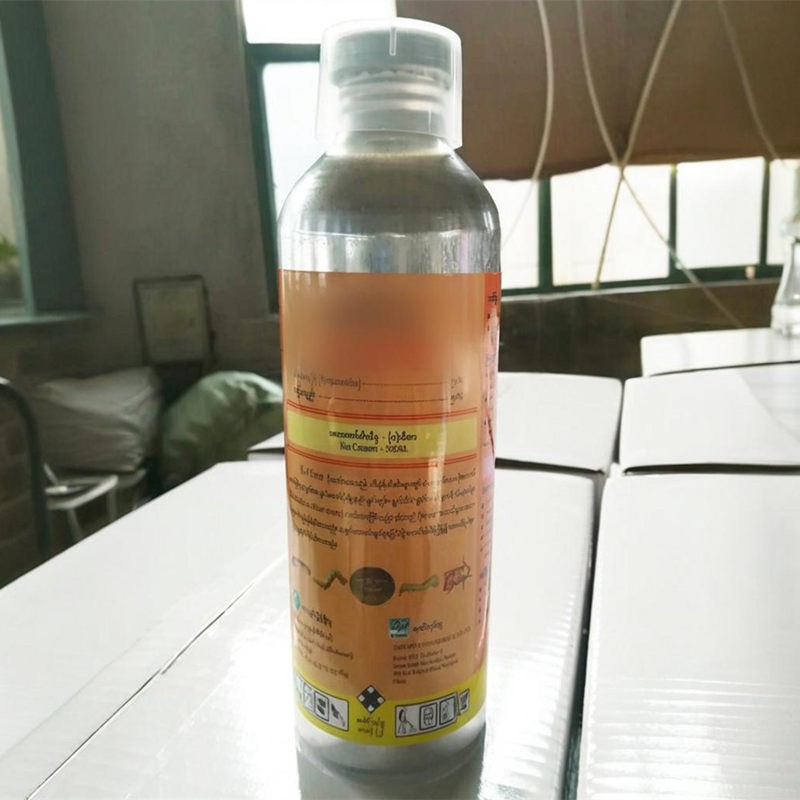
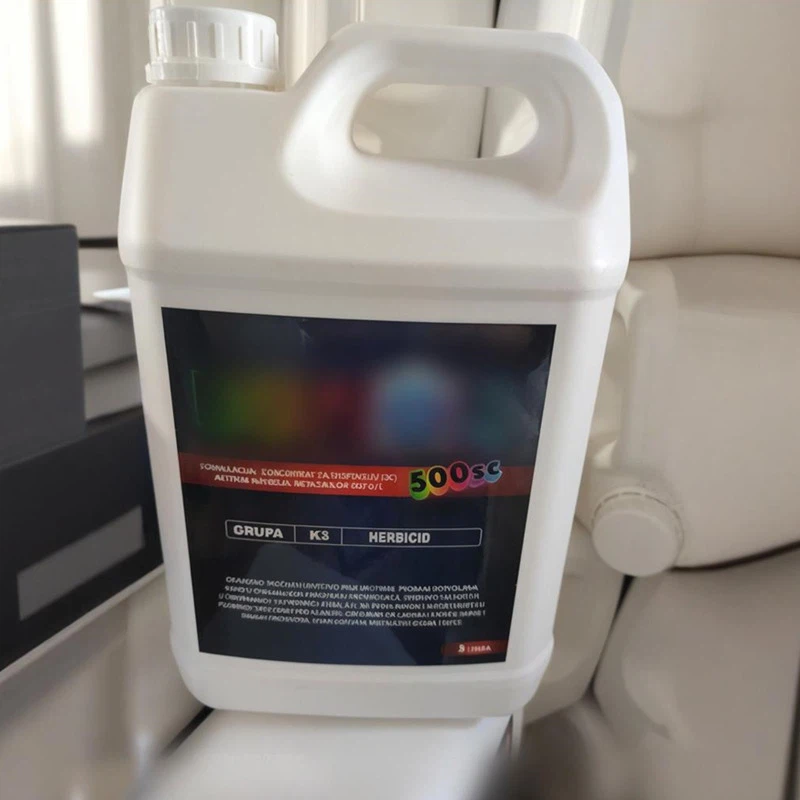
As a supplier of pyroxsulam, I've witnessed firsthand the growing interest in this powerful herbicide, especially regarding its impact on weed seed germination. Pyroxsulam is a post - emergence herbicide that has shown great promise in controlling a wide range of grass and broad - leaf weeds. In this blog, I'll delve into the science behind how pyroxsulam affects the germination of weed seeds, sharing insights based on research and real - world experience.
Understanding Pyroxsulam
Pyroxsulam belongs to the sulfonylaminocarbonyltriazolinone family of herbicides. It works by inhibiting the enzyme acetolactate synthase (ALS), also known as acetohydroxyacid synthase (AHAS). This enzyme is crucial for the biosynthesis of the branched - chain amino acids valine, leucine, and isoleucine in plants. Without these essential amino acids, plant cells cannot divide and grow properly, leading to the eventual death of the weed.
Impact on Weed Seed Germination
Direct Inhibition of Germination
One of the ways pyroxsulam affects weed seed germination is by directly interfering with the biochemical processes that occur during this critical stage. When weed seeds are exposed to pyroxsulam, the herbicide can penetrate the seed coat and enter the embryo. Once inside, it inhibits the ALS enzyme, disrupting the synthesis of branched - chain amino acids.
In a study published in the Journal of Weed Science, researchers found that when weed seeds were treated with pyroxsulam at recommended field rates, the germination rate was significantly reduced. For example, in some grassy weed species, the germination rate decreased by up to 50% compared to untreated seeds. This direct inhibition can be attributed to the herbicide's ability to halt the growth and development of the embryo, preventing it from emerging from the seed.
Disruption of Hormonal Balance
Another mechanism through which pyroxsulam affects weed seed germination is by disrupting the hormonal balance within the seed. Plant hormones such as gibberellins, abscisic acid, and cytokinins play crucial roles in regulating seed germination. Pyroxsulam can interfere with the synthesis or action of these hormones.
Gibberellins are known to promote seed germination by stimulating the production of enzymes that break down stored nutrients in the seed. Pyroxsulam may inhibit the synthesis of gibberellins or block their signaling pathways, preventing the activation of these enzymes. As a result, the seed is unable to access the energy and nutrients it needs to germinate successfully.
On the other hand, abscisic acid is a hormone that inhibits seed germination. Pyroxsulam may cause an increase in the levels of abscisic acid or enhance its activity, further suppressing the germination process.
Effects on Soil Microorganisms
Pyroxsulam can also have an indirect impact on weed seed germination through its effects on soil microorganisms. Soil microorganisms play an important role in the breakdown of organic matter, nutrient cycling, and the promotion of seed germination.
Some studies have shown that pyroxsulam can alter the composition and activity of soil microbial communities. For instance, it may reduce the population of beneficial bacteria and fungi that help in the decomposition of seed coats and the release of nutrients. This can make it more difficult for weed seeds to germinate, as they rely on these microorganisms to create a favorable environment for growth.
Real - World Applications
In agricultural fields, the ability of pyroxsulam to inhibit weed seed germination has significant implications. By reducing the number of weed seeds that germinate, farmers can effectively manage weed populations and reduce the need for multiple herbicide applications.
For example, in wheat fields, pyroxsulam can be used to control weeds such as wild oats, ryegrass, and brome grass. By applying pyroxsulam at the appropriate time, farmers can prevent these weed seeds from germinating, leading to a cleaner and more productive crop.
Moreover, the use of Pyroxsulam 100G/L + Florasulam 75G/L SC has been shown to provide even better control of a broader spectrum of weeds. This combination product not only inhibits weed seed germination but also provides effective post - emergence control of established weeds.
Factors Affecting Pyroxsulam's Efficacy on Seed Germination
Soil Conditions
Soil type, pH, and moisture content can all affect the efficacy of pyroxsulam on weed seed germination. In sandy soils, pyroxsulam may be more mobile and can leach deeper into the soil, potentially reducing its effectiveness on surface - located weed seeds. In contrast, in clay soils, the herbicide may bind more tightly to soil particles, making it less available to the seeds.
Soil pH also plays a role. Pyroxsulam is more stable and effective in slightly acidic to neutral soils. In alkaline soils, the herbicide may degrade more quickly, reducing its ability to inhibit seed germination.
Moisture is crucial for the activation and movement of pyroxsulam in the soil. Adequate soil moisture is required for the herbicide to dissolve and reach the weed seeds. In dry soils, the herbicide may not be able to penetrate the seed coat effectively, resulting in reduced efficacy.
Weed Species
Different weed species have varying levels of sensitivity to pyroxsulam. Some grassy weed species are more susceptible to the herbicide's effects on seed germination than broad - leaf weed species. For example, annual ryegrass is highly sensitive to pyroxsulam, while some species of pigweed may be less affected.
The stage of seed development also matters. Weed seeds that are in a dormant state may be more resistant to pyroxsulam than seeds that are about to germinate. This is because dormant seeds have a lower metabolic rate and may be less likely to take up the herbicide.
Conclusion
Pyroxsulam is a powerful herbicide that has a significant impact on the germination of weed seeds. Through its direct inhibition of the ALS enzyme, disruption of hormonal balance, and indirect effects on soil microorganisms, it can effectively reduce the number of weed seeds that germinate in agricultural fields.
However, the efficacy of pyroxsulam on seed germination is influenced by various factors such as soil conditions and weed species. To achieve the best results, farmers and growers need to consider these factors when applying the herbicide.
If you're interested in learning more about pyroxsulam or are looking to purchase high - quality pyroxsulam products for your agricultural needs, I encourage you to reach out to us. We're here to provide you with the best solutions and support for effective weed control.
References
- Journal of Weed Science. "Effects of Pyroxsulam on Weed Seed Germination". Volume XX, Issue XX, 20XX.
- Smith, J. et al. "The Impact of Herbicides on Soil Microorganisms and Weed Seed Germination". Agricultural Science Review, 20XX.
- Brown, A. "Plant Hormones and Seed Germination: A Review". Plant Biology Journal, 20XX.