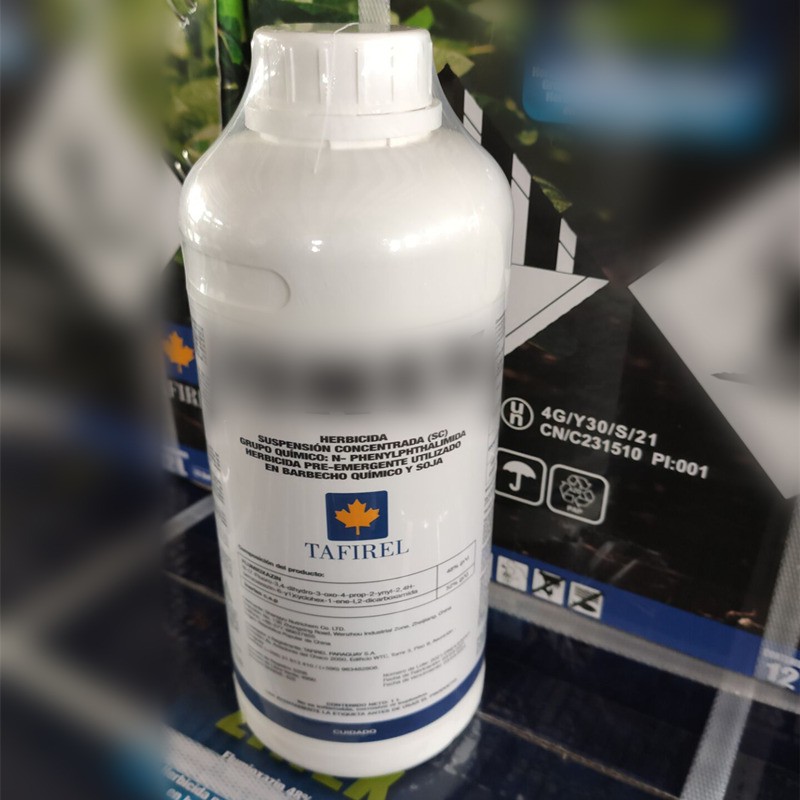
Hey there, fellow plant enthusiasts! I'm a supplier of pyroxsulam, and today I want to dive deep into how this chemical affects the growth of beneficial plants. Pyroxsulam is a herbicide that's been making waves in the agricultural and gardening world, but it's crucial to understand its impact on the good guys in our plant kingdom.
First off, let's talk a bit about what pyroxsulam is. It's a sulfonylaminocarbonyltriazolinone herbicide. Sounds like a mouthful, right? But basically, it's designed to control a wide range of grass and broad - leaf weeds. It works by inhibiting the enzyme acetolactate synthase (ALS), which is essential for the synthesis of branched - chain amino acids in plants. When this enzyme is blocked, the weed can't grow and eventually dies.
Now, the big question is, how does it affect beneficial plants? Well, the impact of pyroxsulam on beneficial plants can vary depending on several factors. One of the most important factors is the dosage. If the dosage is too high, it can have a negative impact on beneficial plants. Just like if you take too much medicine, it can make you sick. The same goes for plants.

Let's say you're using pyroxsulam in your garden to get rid of pesky weeds. If you accidentally use more than the recommended amount, it might start to affect your vegetables, flowers, or other beneficial plants. The symptoms can include stunted growth, yellowing of leaves, and in severe cases, the plant might even die.
Another factor is the type of beneficial plant. Some plants are more sensitive to pyroxsulam than others. For example, certain varieties of legumes, which are great for fixing nitrogen in the soil, can be quite sensitive. If you're growing beans or peas in your garden and you use pyroxsulam without being careful, you might notice that they don't grow as well as they should.
However, it's not all doom and gloom. When used correctly, pyroxsulam can actually be beneficial for the growth of beneficial plants. By controlling weeds, it reduces competition for resources such as water, nutrients, and sunlight. Weeds are like bullies in the garden. They take all the good stuff and leave the beneficial plants struggling. When you use pyroxsulam to get rid of the weeds, your beneficial plants have a better chance of getting what they need to thrive.
For instance, in a wheat field, using pyroxsulam to control weeds can lead to better yields of wheat. The wheat plants have more access to water and nutrients, and they can grow taller and produce more grains. This is because the herbicide is targeting the weeds while leaving the wheat relatively unharmed, as long as it's used according to the instructions.
But how do you ensure that you're using pyroxsulam in the right way to protect your beneficial plants? First of all, always read the label carefully. The label will tell you the recommended dosage, the types of plants it can be used around, and any safety precautions. It's like a user manual for the herbicide.
You should also do a small test before applying it to a large area. Pick a small, inconspicuous spot in your garden and apply a small amount of pyroxsulam. Then, monitor the plants in that area for a few days to see if there are any negative effects. If everything looks okay, you can go ahead and apply it to the rest of the area.
Now, I want to mention one of our great products: Pyroxsulam 100G/L + Florasulam 75G/L SC. This combination product is even more effective in controlling a wider range of weeds. The florasulam in it works in a similar way to pyroxsulam, and together they can provide better weed control while still being relatively safe for many beneficial plants when used correctly.
In some agricultural research, it's been found that this combination can be used in cereal crops like barley and oats. The researchers have seen that when used at the right dosage, it can control weeds effectively without causing significant harm to the cereal plants. This means that farmers can get better yields while spending less time and effort on weeding.
It's also important to consider the timing of application. Applying pyroxsulam at the wrong time can increase the risk of harming beneficial plants. For example, if you apply it when the beneficial plants are in a vulnerable stage of growth, such as during germination or flowering, they might be more sensitive to the herbicide.
In the case of some flower gardens, you might want to wait until after the flowers have finished blooming to apply pyroxsulam. This way, you can avoid any potential damage to the flowers. And if you're growing vegetables, make sure to apply it before the vegetables start to form fruits or vegetables.
In conclusion, pyroxsulam can have both positive and negative effects on the growth of beneficial plants. It all boils down to how you use it. If you use it correctly, following the label instructions, doing small tests, and considering the timing of application, you can control weeds effectively and give your beneficial plants a better chance to grow.
If you're interested in learning more about pyroxsulam or are thinking about purchasing it for your agricultural or gardening needs, don't hesitate to reach out. We're here to help you make the most of this herbicide while keeping your beneficial plants healthy.
References
- "Herbicide Handbook" by the Weed Science Society of America.
- Various agricultural research papers on the effects of pyroxsulam on different plant species.