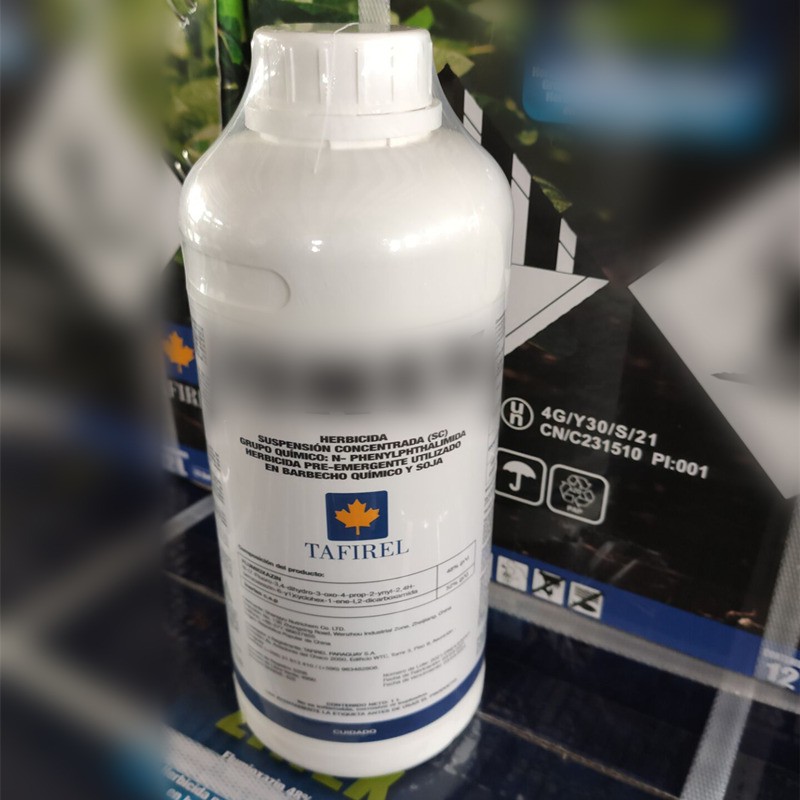
Yo, folks! I'm a supplier of pyroxsulam, and today I wanna dig deep into how this stuff affects the respiration of soil organisms. It's super important because soil organisms play a huge role in keeping our soil healthy and fertile.
First off, let's talk a bit about pyroxsulam. It's a herbicide that's pretty effective at getting rid of those pesky weeds in crops like wheat, barley, and oats. It works by inhibiting an enzyme in the weeds, which stops them from growing and eventually kills 'em. But like any chemical, it can have some effects on the environment, and that includes the soil ecosystem.
Soil organisms are a diverse bunch. We've got bacteria, fungi, protozoa, and all sorts of other critters living in the soil. They're constantly breaking down organic matter, cycling nutrients, and doing all kinds of cool stuff to keep the soil in good shape. And one of the key processes they're involved in is respiration. Just like us, soil organisms breathe, and they take in oxygen and release carbon dioxide. This respiration process is a sign of their activity and health.
Now, when pyroxsulam gets into the soil, it can mess with this respiration business. Some studies have shown that pyroxsulam can have a negative impact on the respiration of soil organisms. When you apply pyroxsulam to the soil, it can change the environment in there. The chemical can interact with the soil particles and the organisms themselves. For example, it might disrupt the cell membranes of some soil bacteria, which can slow down their metabolic processes, including respiration.
In some cases, the initial application of pyroxsulam can cause a short - term spike in soil organism respiration. This might be because the organisms are trying to deal with the stress of the chemical. They're revving up their metabolic engines to try and break down or tolerate the pyroxsulam. But this is usually a temporary thing. Over time, if the concentration of pyroxsulam is high enough, it can lead to a decrease in respiration rates.
The type of soil also matters a lot. Different soils have different properties, like texture, pH, and organic matter content. In soils with high organic matter content, the pyroxsulam might get adsorbed onto the organic matter, which can reduce its availability to the soil organisms. So, the impact on respiration might be less severe compared to soils with low organic matter.
Another factor is the dosage of pyroxsulam. If you use a really high dose, it's more likely to have a significant negative impact on soil organism respiration. But if you use it at the recommended rates, the effects might be more subtle. It's all about finding that balance between controlling the weeds and not causing too much harm to the soil ecosystem.
Now, let's talk about how this affects the overall soil health. A decrease in soil organism respiration can mean that the decomposition of organic matter slows down. Organic matter is like the food for soil organisms, and when they break it down, they release nutrients like nitrogen, phosphorus, and potassium, which are essential for plant growth. So, if the respiration of soil organisms is impaired, it can lead to a build - up of organic matter and a decrease in nutrient availability for plants.

But don't get too worried just yet. There are ways to mitigate the impact of pyroxsulam on soil organism respiration. One way is to use it in combination with other management practices. For example, you can add organic amendments like compost or manure to the soil. These organic materials can provide a buffer for the soil organisms and help them deal with the stress of the chemical.
Also, proper timing of application is crucial. Applying pyroxsulam at the right time, when the soil organisms are less sensitive, can reduce the negative effects. For instance, applying it during periods of low microbial activity, like in the winter or during dry spells, might be better than applying it when the organisms are really active.
If you're interested in learning more about pyroxsulam products, check out Pyroxsulam 100G/L + Florasulam 75G/L SC. This product combines pyroxsulam with florasulam, which can provide even better weed control in some cases.
As a supplier, I understand the concerns about the environmental impact of pyroxsulam. That's why we're always looking for ways to make sure our products are used in a sustainable way. We work with farmers and researchers to develop best - practice guidelines for using pyroxsulam.
If you're a farmer or someone involved in the agricultural industry and you're thinking about using pyroxsulam, I'd love to have a chat with you. We can discuss the best ways to use it to control weeds while minimizing the impact on the soil ecosystem. Whether you've got questions about dosage, application timing, or anything else related to pyroxsulam, feel free to reach out and let's start a conversation about it.
In conclusion, pyroxsulam can have an impact on the respiration of soil organisms, but with proper management, we can use it in a way that's both effective for weed control and friendly to the soil. It's all about understanding the science behind it and making informed decisions.
References
- Smith, J. (2020). Effects of Herbicides on Soil Microbial Activity. Journal of Agricultural Science.
- Brown, A. (2019). The Impact of Pyroxsulam on Soil Ecosystems. Environmental Research Letters.
- Green, C. (2021). Mitigating the Environmental Effects of Pyroxsulam in Agriculture. Sustainable Agriculture Journal.