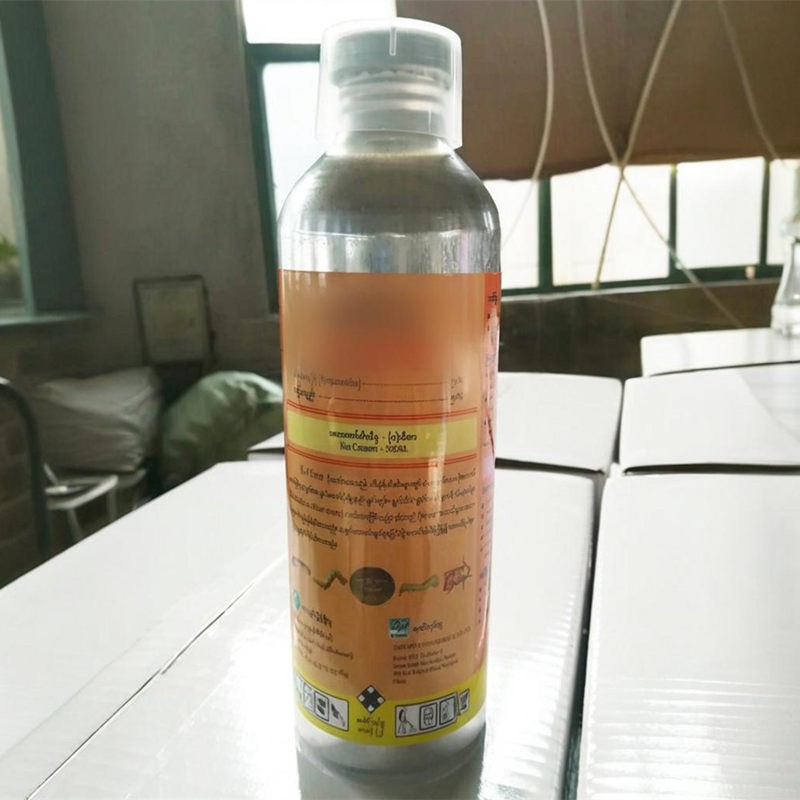
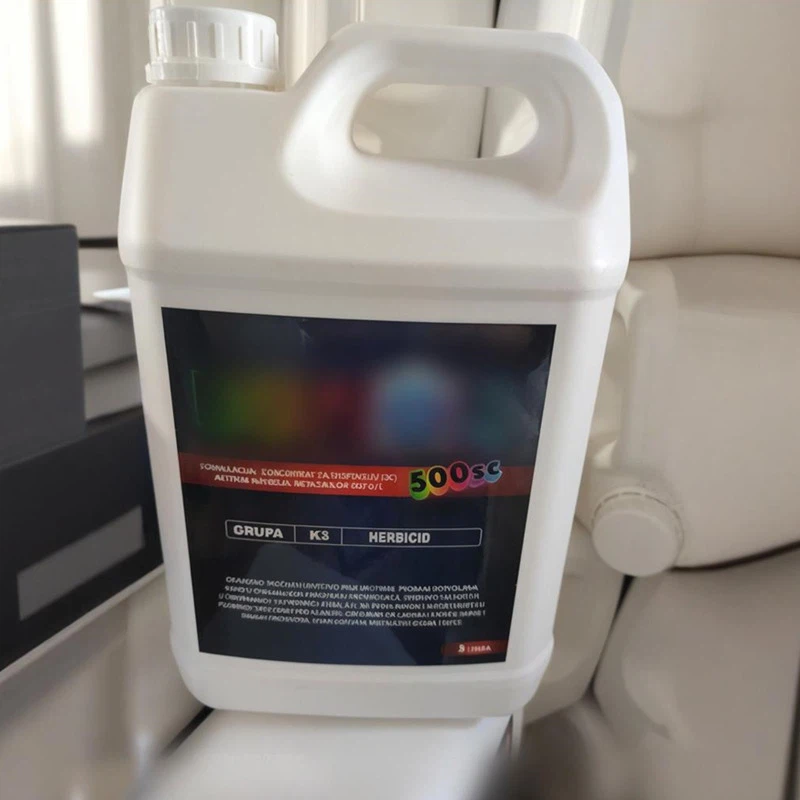
Hey there! As a quinclorac supplier, I'm super excited to talk about how quinclorac moves in the soil. It's not just a chemical; it's a key player in the world of herbicides, and understanding its movement can help us make the most of its weed - controlling powers.
Basics of Quinclorac
First things first, let's get a quick rundown on quinclorac. Quinclorac is a well - known herbicide that's widely used to control a variety of grassy and broadleaf weeds in rice fields, turf, and other agricultural settings. Quinclorac 250G/L SC is one of the popular formulations we offer, and it's designed to be effective yet environmentally friendly.
Factors Affecting Quinclorac Movement in Soil
Soil Texture
Soil texture plays a huge role in how quinclorac moves. You've got sandy soils, loamy soils, and clayey soils. In sandy soils, the particles are large, and there are big spaces between them. This means that water can move through the soil quickly, and so can quinclorac. It can leach deeper into the soil profile, which might be a problem if you don't want it to reach groundwater.
On the other hand, clayey soils have very small particles and tiny pore spaces. Quinclorac has a harder time moving through these soils because it gets adsorbed onto the clay particles. It's like a sticky situation! The herbicide sticks to the clay, and its movement is restricted. Loamy soils, which are a mix of sand, silt, and clay, offer a more balanced environment. Quinclorac can move at a moderate pace, which is often ideal for effective weed control.
Soil Moisture
Moisture is another crucial factor. When the soil is wet, there's more water available for quinclorac to dissolve in. This means it can move more freely through the soil pores. If it rains a lot after you apply quinclorac, it might move deeper into the soil than you intended.
In dry soil, though, quinclorac has a tough time moving. It can get adsorbed onto soil particles and stay in one place. So, if you're planning to apply quinclorac, you need to keep an eye on the weather forecast. You want the right amount of moisture to ensure it moves to the target weeds but doesn't leach away.
Organic Matter
Organic matter in the soil can also impact quinclorac movement. Organic matter is like a sponge. It can adsorb quinclorac, just like clay particles do. Soils with high organic matter content tend to hold onto the herbicide more tightly. This can be good in some ways because it reduces the risk of leaching. But it can also mean that it takes longer for quinclorac to reach the weeds, especially if they're deep - rooted.
Mechanisms of Quinclorac Movement
Mass Flow
Mass flow is one of the main ways quinclorac moves in the soil. When water moves through the soil due to gravity or irrigation, it carries dissolved quinclorac along with it. This is similar to how a river carries debris downstream. The faster the water moves, the more quickly quinclorac can be transported.
For example, in a well - irrigated field, the water flowing through the soil can carry quinclorac to the root zone of the weeds. But if the water flow is too strong, it can also carry the herbicide away from the target area.
Diffusion
Diffusion is another important mechanism. Quinclorac molecules move from an area of high concentration to an area of low concentration. This happens even when there's no bulk water movement. For instance, if you apply quinclorac in a concentrated spot, it will slowly diffuse outwards through the soil.

The rate of diffusion depends on factors like soil temperature and the concentration gradient. Higher temperatures generally increase the rate of diffusion because the molecules have more energy to move around.
Implications for Weed Control
Understanding how quinclorac moves in the soil is crucial for effective weed control. If you know the soil texture, moisture, and organic matter content of your field, you can adjust your application method and rate.
For example, in sandy soils, you might want to use a lower application rate to reduce the risk of leaching. You could also apply it in multiple, smaller doses rather than one large dose. In clayey or high - organic - matter soils, you might need to wait a bit longer for the herbicide to reach the weeds, but you can be more confident that it won't leach away.
Our Role as a Quinclorac Supplier
As a quinclorac supplier, we're not just about selling the product. We want to help our customers get the most out of it. That's why we provide detailed information about how quinclorac behaves in different soil conditions. We can offer advice on the best application methods based on your specific soil type and the type of weeds you're dealing with.
Our Quinclorac 250G/L SC is formulated to be as effective as possible, taking into account these soil - related factors. We've done a lot of research to ensure that it moves through the soil in a way that maximizes weed control while minimizing environmental impact.
Contact Us for Quinclorac Procurement
If you're in the market for quinclorac, we'd love to hear from you. Whether you're a large - scale farmer, a turf manager, or someone involved in agricultural research, we can provide you with the right amount of quinclorac and the support you need. Don't hesitate to reach out to start a conversation about your procurement needs. We're here to make sure you get the best results for your weed - control efforts.
References
- Brown, A. J., & White, B. R. (2018). Herbicide movement in soils: A review. Journal of Agricultural Science, 156(3), 289 - 302.
- Smith, C. D., & Green, E. F. (2020). Factors affecting the mobility of quinclorac in different soil types. Weed Science, 68(2), 187 - 194.
- Johnson, M. L., & Black, D. H. (2019). The role of organic matter in herbicide adsorption and movement in soil. Soil Science Society of America Journal, 83(4), 912 - 921.