Hey there! As a tebuconazole supplier, I often get asked about the proper storage of this popular fungicide. Tebuconazole is a powerful chemical that's widely used in agriculture to protect crops from various fungal diseases. But like any other chemical, it needs to be stored correctly to maintain its effectiveness and ensure safety. So, let's dive into how you should store tebuconazole.
1. Temperature and Humidity Control
First off, temperature and humidity play a crucial role in storing tebuconazole. You want to keep it in a cool, dry place. The ideal temperature range for storing tebuconazole is between 10°C and 30°C (50°F and 86°F). Extreme temperatures can cause the chemical to break down, reducing its effectiveness.
If it gets too hot, say above 30°C, the active ingredients in tebuconazole might start to degrade. This means that when you use it later on, it won't work as well in fighting off those pesky fungi. On the other hand, if it's stored in a place that's too cold, below 10°C, the product might freeze. Freezing can change the physical properties of tebuconazole, and it might not mix properly when you're ready to use it.
Humidity is also a big deal. High humidity can lead to moisture getting into the tebuconazole containers. This can cause clumping or even chemical reactions that can damage the product. So, aim for a relative humidity of less than 60%. You can use a dehumidifier in the storage area if necessary to keep the humidity in check.
2. Storage Containers
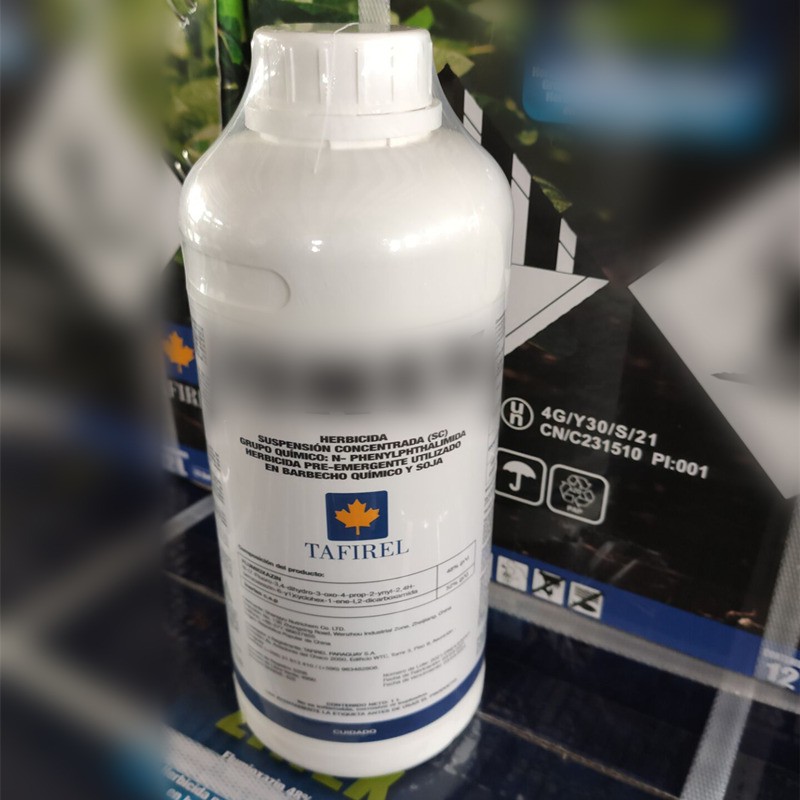
The containers you use to store tebuconazole are super important. It should always be kept in its original, tightly sealed container. The manufacturers design these containers to protect the chemical from external factors like air, moisture, and light.
If you need to transfer tebuconazole to another container for some reason, make sure it's a container that's made of a compatible material. For example, containers made of high - density polyethylene (HDPE) are often a good choice as they're resistant to many chemicals. Avoid using containers that have previously held other substances, as there might be residues that could react with tebuconazole.
Also, label any new containers clearly with the name of the product, the date of transfer, and any safety information. This way, you'll always know what's inside and when it was transferred.
3. Protection from Light
Tebuconazole is sensitive to light, especially ultraviolet (UV) light. Exposure to sunlight or strong artificial light can cause the chemical to break down over time. So, store it in a dark place. If you're storing it in a warehouse or a shed, make sure the area is shaded or use opaque containers to block out the light.
If you have tebuconazole stored on shelves, keep it away from windows or areas where it will be exposed to direct light for long periods. You can also use curtains or blinds to block sunlight if the storage area has windows.

4. Separation from Other Substances
It's really important to keep tebuconazole separate from other substances. Don't store it near food, feed, or other products that are meant for human or animal consumption. There's always a risk of cross - contamination, and you definitely don't want tebuconazole getting into something that's going to be eaten.
Also, keep it away from other chemicals, especially those that are reactive. For example, don't store it near strong acids or bases. These substances can react with tebuconazole and cause dangerous chemical reactions. Make sure there are clear aisles and separation between different types of chemicals in the storage area.
5. Safety Precautions
When storing tebuconazole, safety should be your top priority. Make sure the storage area is well - ventilated. Good ventilation helps to prevent the build - up of any fumes that might be released from the tebuconazole. If the storage area is small or enclosed, consider using an exhaust fan to keep the air moving.
Have safety equipment nearby, such as fire extinguishers, spill kits, and personal protective equipment (PPE). In case of a spill or a fire, you'll be able to respond quickly and safely. And always follow the safety instructions on the product label. These instructions are there for a reason, and they'll help you handle and store tebuconazole safely.
6. Regular Inspections
You should conduct regular inspections of your tebuconazole storage area. Check the containers for any signs of damage, such as cracks, leaks, or bulges. If you notice any damage, transfer the product to a new, undamaged container immediately.
Also, check the expiration date of the tebuconazole. Using expired product can be ineffective and might even be harmful. If you have tebuconazole that's close to or past its expiration date, dispose of it properly according to local regulations.
7. Compatibility with Our Product: Prothioconazole 200 G/L + Tebuconazole 200G/L FS
If you're interested in a combination product, we offer Prothioconazole 200 G/L + Tebuconazole 200G/L FS. The storage guidelines for this product are similar to those for pure tebuconazole. Just make sure to follow the same temperature, humidity, light, and separation rules. This combination product is great for providing broader - spectrum protection against fungal diseases, but proper storage is still key to its effectiveness.
Conclusion
Proper storage of tebuconazole is essential for maintaining its quality and safety. By following these guidelines on temperature and humidity control, using the right containers, protecting it from light, separating it from other substances, taking safety precautions, and conducting regular inspections, you can ensure that your tebuconazole remains effective for as long as possible.
If you're in the market for tebuconazole or our Prothioconazole 200 G/L + Tebuconazole 200G/L FS product, we're here to help. Contact us to discuss your procurement needs, and we'll work with you to find the best solutions for your agricultural requirements.
References
- "Tebuconazole: A Review of Its Properties and Applications in Agriculture" - Journal of Agricultural Chemistry
- Product Safety Data Sheets for Tebuconazole and Prothioconazole 200 G/L + Tebuconazole 200G/L FS