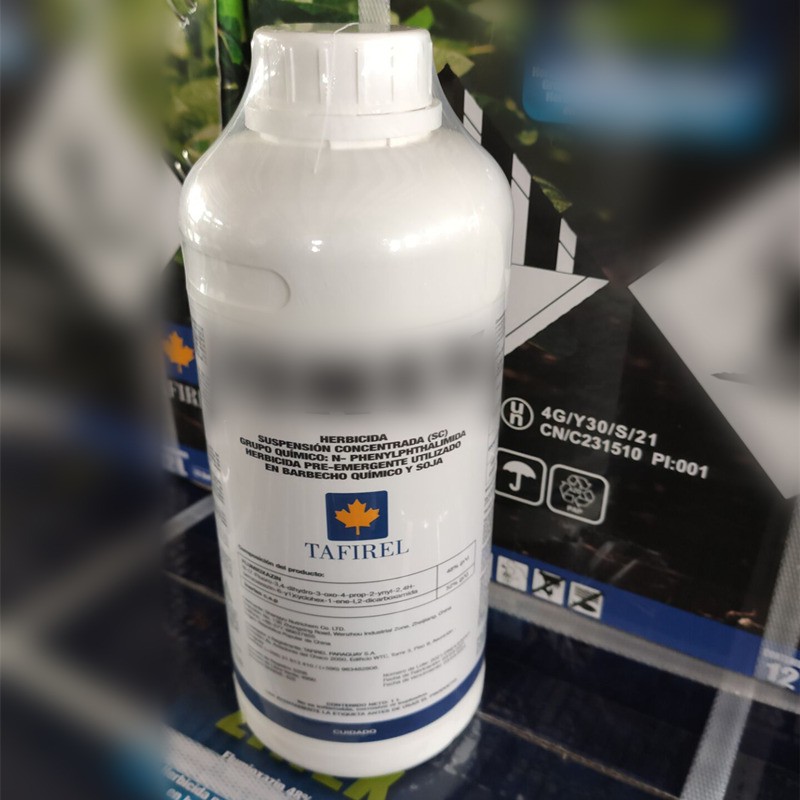
Hey there! As a mesotrione supplier, I've seen firsthand the challenges that come with herbicide resistance, especially when it comes to mesotrione. Mesotrione is a powerful herbicide that's been a game - changer in weed control, but the development of resistance is a real concern. In this blog, I'll share some tips on how to prevent the development of mesotrione resistance.
Understanding Mesotrione Resistance
Before we dive into prevention, let's quickly understand what mesotrione resistance is. Resistance occurs when weeds that were once susceptible to mesotrione start to survive its application. This happens over time as weeds are repeatedly exposed to the same herbicide. The weeds with a natural tolerance to mesotrione survive and reproduce, passing on their resistant genes to the next generation.
Rotate Herbicides
One of the most effective ways to prevent mesotrione resistance is to rotate herbicides. Using the same herbicide year after year gives weeds a chance to adapt and develop resistance. Instead, switch between different herbicides with different modes of action. For example, you can alternate mesotrione with other herbicides that target different biochemical pathways in weeds.
There are several herbicide groups out there, and each group works in a unique way. By rotating between groups, you make it harder for weeds to build up resistance. For instance, in addition to mesotrione, you could use herbicides from the ALS - inhibitor group or the PPO - inhibitor group. This way, even if some weeds have developed a tolerance to mesotrione, they'll still be vulnerable to the other herbicides.
Tank - Mix Herbicides
Tank - mixing is another great strategy. When you mix mesotrione with other herbicides, you increase the chances of killing a wider range of weeds. Different herbicides can work together synergistically, meaning they're more effective when used together than when used alone.
For example, you can mix mesotrione with Mesotrione 70G/L + Nicosulfuron 40G/L OD. This combination targets multiple weed species and different stages of weed growth. The mesotrione attacks one set of biochemical processes in the weeds, while nicosulfuron targets another. This dual - action approach reduces the likelihood of resistance because it's much harder for weeds to develop resistance to two different herbicides at the same time.
Follow Proper Application Rates
Applying mesotrione at the correct rate is crucial. Using too little herbicide won't effectively control the weeds, and it can also contribute to resistance. When you under - dose, you're essentially giving the weeds a "soft" exposure, allowing the more tolerant ones to survive and reproduce.
On the other hand, using too much herbicide isn't good either. It can lead to environmental pollution and unnecessary costs. Always follow the manufacturer's recommendations for application rates. These rates are based on extensive research and are designed to provide optimal weed control while minimizing the risk of resistance.
Time Your Applications Right
Timing is everything when it comes to herbicide application. Applying mesotrione at the right stage of weed growth can make a big difference in its effectiveness. Weeds are most vulnerable at certain growth stages, usually the early vegetative stage.
If you apply mesotrione too late, the weeds may have already developed a certain level of tolerance. By targeting the weeds at their most susceptible stage, you can achieve better control with less herbicide, reducing the selection pressure for resistance. Keep an eye on the weed growth in your fields and plan your applications accordingly.
Implement Cultural Practices
Cultural practices can also play a role in preventing mesotrione resistance. Crop rotation is one such practice. By rotating different crops in your fields, you change the weed spectrum. Different crops attract different types of weeds, and by rotating, you prevent the same weed species from being repeatedly exposed to mesotrione.

For example, if you've been growing corn and using mesotrione to control weeds in corn fields, you could rotate to soybeans or wheat in the next season. This breaks the cycle of weed exposure to mesotrione and reduces the risk of resistance.
Another cultural practice is tillage. Proper tillage can help bury weed seeds and disrupt their growth. This reduces the overall weed population, meaning you'll need less herbicide to control them. However, be careful not to over - till, as it can also have negative impacts on soil health.
Monitor Your Fields Regularly
Regular field monitoring is essential. Keep an eye on the weed population in your fields after herbicide application. If you notice any weeds that seem to be surviving the mesotrione treatment, take action immediately. These could be early signs of resistance.
You can collect samples of these surviving weeds and have them tested for resistance. Early detection allows you to adjust your weed control strategies before the resistance becomes widespread. You might need to change your herbicide rotation or increase the use of tank - mixing.
Educate Yourself and Others
As a mesotrione supplier, I believe in the importance of education. Stay updated on the latest research and developments in weed control and herbicide resistance. Attend agricultural conferences, read scientific journals, and follow industry experts.
Share your knowledge with farmers and other stakeholders. By educating others about the risks of mesotrione resistance and the prevention strategies, we can work together to ensure the long - term effectiveness of mesotrione. You can organize workshops or training sessions to teach farmers about proper herbicide use, application techniques, and cultural practices.
Conclusion
Preventing the development of mesotrione resistance is a collective effort. By rotating herbicides, tank - mixing, following proper application rates, timing your applications right, implementing cultural practices, monitoring your fields, and educating yourself and others, we can keep mesotrione as an effective tool in weed control for years to come.
If you're interested in learning more about mesotrione or other herbicides we offer, I encourage you to reach out. We're here to help you find the best solutions for your weed control needs. Whether you're a small - scale farmer or a large agricultural operation, we can work together to develop a customized weed management plan. So, don't hesitate to contact us for more information and to start a procurement discussion.
References
- Heap, I. The International Survey of Herbicide Resistant Weeds. Available at: http://www.weedscience.org/
- Shaner, D. L. Mesotrione: A new herbicide for use in corn. Weed Technology, 2000, 14(4), 704 - 712.
- Owen, M. D. K., & Zelaya, I. A. Herbicide resistance: Impact and management. Annual Review of Phytopathology, 2005, 43(1), 31 - 56.