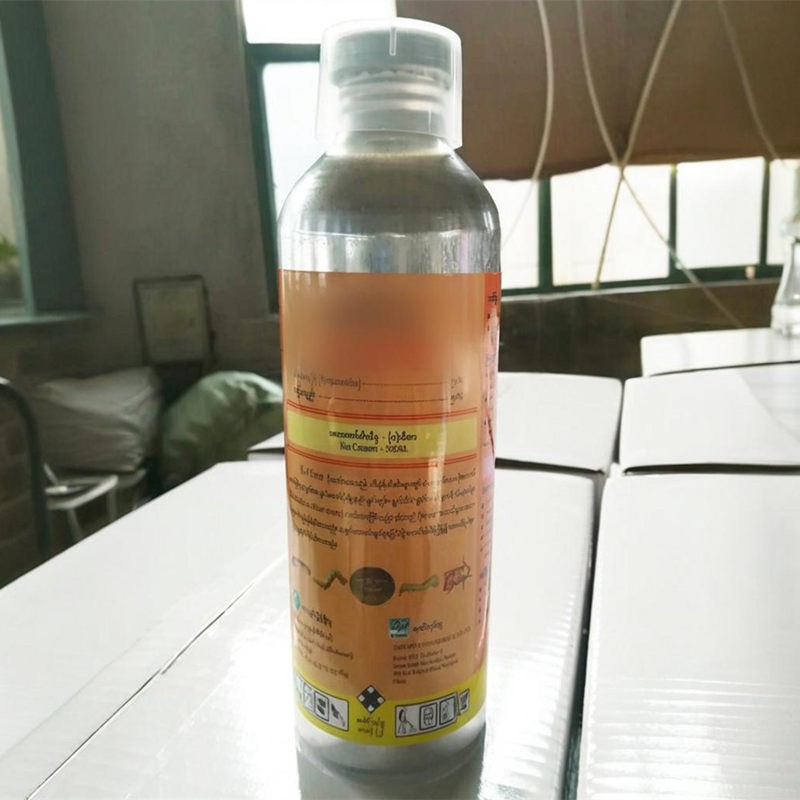
Weed resistance to herbicides is a growing concern in modern agriculture, and imazapic is no exception. As a supplier of imazapic, I understand the importance of addressing this issue to ensure the long - term effectiveness of our product. In this blog, I will share some strategies on how to prevent weed resistance to imazapic.
Understanding Imazapic and Weed Resistance
Imazapic is a widely used herbicide belonging to the imidazolinone family. It works by inhibiting the enzyme acetolactate synthase (ALS), which is essential for the biosynthesis of branched - chain amino acids in plants. When weeds are repeatedly exposed to imazapic, some individuals may develop genetic mutations that allow them to survive the herbicide application. These resistant weeds can then reproduce and spread, leading to a significant reduction in the efficacy of imazapic over time.
Rotate Herbicides
One of the most effective ways to prevent weed resistance to imazapic is to rotate it with herbicides that have different modes of action. By using herbicides with different targets in the weed's metabolic pathway, we can reduce the selection pressure on a single mode of action. For example, instead of relying solely on imazapic, farmers can alternate it with herbicides that target other enzymes or processes in the weed.
Imazethapyr 100G/L SL is a good option for rotation. It is also an imidazolinone herbicide but has different properties and weed - control spectra compared to imazapic. By rotating between imazapic and imazethapyr 100G/L SL, we can disrupt the weed's ability to develop resistance to a single herbicide.
Use Herbicide Mixtures
Another approach is to use herbicide mixtures. Combining imazapic with other herbicides that have different modes of action can increase the chances of killing weeds and reduce the probability of resistance development. When two or more herbicides are applied together, weeds are more likely to be exposed to multiple lethal mechanisms, making it more difficult for them to develop resistance.

For example, a mixture of imazapic with a photosystem - II inhibitor herbicide can target both the ALS enzyme and the photosynthetic process in weeds. This dual - action approach can effectively control a broader spectrum of weeds and slow down the evolution of resistance. However, it is important to ensure that the herbicides in the mixture are compatible and do not cause any negative interactions.
Follow Proper Application Rates
Applying imazapic at the correct rates is crucial for preventing weed resistance. Using lower - than - recommended rates may not provide adequate weed control, allowing some weeds to survive and potentially develop resistance. On the other hand, using higher - than - recommended rates can increase the selection pressure on weeds and also lead to environmental and economic concerns.
Farmers should carefully read the product label and follow the recommended application rates based on the weed species, crop type, and environmental conditions. Regular calibration of spraying equipment is also necessary to ensure accurate application of the herbicide.
Implement Integrated Weed Management (IWM)
Integrated Weed Management is a holistic approach that combines multiple weed - control methods to reduce reliance on herbicides. In addition to using imazapic, farmers can incorporate cultural, mechanical, and biological control methods into their weed - management programs.
Cultural practices such as crop rotation, proper tillage, and timely planting can help reduce weed pressure. For example, rotating between different crops can disrupt the life cycle of weeds and reduce their population. Mechanical methods like hand - weeding, hoeing, and mowing can also be used to remove weeds, especially in areas where herbicide use is limited.
Biological control involves the use of natural enemies such as insects, fungi, or bacteria to control weeds. Although biological control methods may not provide immediate results, they can be an effective long - term solution for reducing weed populations and preventing resistance.
Monitor Weed Populations
Regular monitoring of weed populations is essential for early detection of resistance. Farmers should keep an eye on the effectiveness of imazapic in their fields. If they notice a decrease in weed control or the presence of surviving weeds that were previously susceptible to imazapic, it may be a sign of resistance development.
When resistance is suspected, it is important to take immediate action. This may include changing the herbicide program, increasing the use of non - chemical control methods, or conducting further research to confirm the resistance.
Educate Farmers and End - Users
As an imazapic supplier, I have a responsibility to educate farmers and end - users about the importance of preventing weed resistance. We can provide training programs, workshops, and informational materials to help them understand the mechanisms of weed resistance and the best practices for using imazapic.
By increasing awareness and knowledge, farmers can make more informed decisions about their weed - management strategies. They can also be more proactive in implementing the prevention measures mentioned above, which will ultimately benefit both the agricultural industry and the environment.
Conclusion
Preventing weed resistance to imazapic is a complex but necessary task. By rotating herbicides, using mixtures, following proper application rates, implementing Integrated Weed Management, monitoring weed populations, and educating end - users, we can significantly reduce the risk of resistance development.
As a supplier, I am committed to providing high - quality imazapic products and supporting farmers in their weed - management efforts. If you are interested in purchasing imazapic or learning more about our products, please feel free to contact us for a detailed discussion and procurement negotiation.
References
- Heap, I. (2023). The International Survey of Herbicide Resistant Weeds. Available at: https://www.weedscience.org/
- Powles, S. B., & Yu, Q. (2010). Evolution in action: plants resistant to herbicides. Annual Review of Plant Biology, 61, 317 - 347.
- Shaner, D. L. (2014). Herbicides and Resistance Management. John Wiley & Sons.