MCPA, or 2-methyl-4-chlorophenoxyacetic acid, is a well - known and widely used selective herbicide in the agricultural and horticultural sectors. As a reliable MCPA supplier, I am often asked about the types of weeds that MCPA can effectively control. In this blog, I will delve into the various weed species that fall within MCPA's control spectrum.
Broad - Leaf Weeds in Agricultural Fields
One of the primary applications of MCPA is in controlling broad - leaf weeds in cereal crops such as wheat, barley, and oats. These broad - leaf weeds compete with the cereal crops for essential resources like water, nutrients, and sunlight, ultimately reducing the yield and quality of the harvest.
Dandelions (Taraxacum officinale)
Dandelions are a common and persistent weed in many agricultural and non - agricultural areas. Their deep taproots make them difficult to remove manually. MCPA works by mimicking the plant hormone auxin in dandelions. When absorbed by the dandelion leaves, it disrupts the normal growth processes of the weed. The weed begins to grow in an abnormal and uncontrolled manner, leading to distorted stems, leaves, and eventually, the death of the plant. In cereal fields, MCPA can be applied at the appropriate growth stage of the cereal crop to target dandelions without causing significant harm to the crop itself.
Chickweed (Stellaria media)
Chickweed is another broad - leaf weed that can quickly spread in cereal fields. It has a low - growing habit and can form dense mats, competing with the cereal plants for space and resources. MCPA is effective against chickweed as it interferes with the weed's cell division and elongation processes. The herbicide is absorbed through the chickweed's foliage and translocated throughout the plant, gradually shutting down its vital functions. This results in the withering and death of the chickweed, allowing the cereal crops to thrive.
Thistles (Cirsium arvense)
Thistles are prickly and invasive weeds that can be a nuisance in agricultural fields. They have a strong root system and can regrow easily if not properly controlled. MCPA can be used to target thistles, especially during their active growth phase. The herbicide affects the thistle's hormonal balance, causing abnormal growth and eventual death. However, multiple applications may be required in some cases, especially for well - established thistle populations.
Weeds in Pastures and Grasslands
MCPA also plays an important role in maintaining the quality of pastures and grasslands. By controlling unwanted weeds, it ensures that the grass can grow healthily and provide good forage for livestock.
Buttercups (Ranunculus spp.)
Buttercups are toxic to livestock, and their presence in pastures can pose a significant risk to animal health. MCPA can be used to control buttercups in pastures. It is absorbed by the buttercup leaves and disrupts the plant's metabolic processes. As a result, the buttercups lose their ability to photosynthesize effectively, leading to their decline. This helps to protect the livestock from the harmful effects of buttercup ingestion and also improves the overall quality of the pasture.
Dock (Rumex spp.)
Dock plants are large, deep - rooted weeds that can compete with grass for nutrients and water in pastures. They can reduce the productivity of the pasture by shading out the grass. MCPA can be applied to target dock plants. It inhibits the growth of the dock by interfering with its cell wall synthesis and other physiological processes. This leads to the weakening and eventual death of the dock, allowing the grass to grow more vigorously.
Weeds in Non - Crop Areas
In addition to agricultural fields and pastures, MCPA can also be used to control weeds in non - crop areas such as roadsides, railway embankments, and industrial sites.

Nettles (Urtica dioica)
Nettles are stinging weeds that can be a problem in non - crop areas. They can spread rapidly and form large colonies. MCPA can be an effective solution for controlling nettles. When applied to the nettle foliage, it disrupts the weed's growth regulation mechanisms. The nettles start to show signs of stress, such as wilting and yellowing of leaves, and eventually die off. This helps to make non - crop areas safer and more aesthetically pleasing.
Bindweed (Convolvulus arvensis)
Bindweed is a climbing weed that can twine around other plants and structures, causing damage. It has a persistent root system that makes it difficult to control. MCPA can be used to target bindweed. It is absorbed by the bindweed's leaves and translocated to the roots, where it inhibits root growth and development. Over time, the bindweed loses its ability to survive, and the infestation can be reduced.
The Role of MCPA 650G/L SL
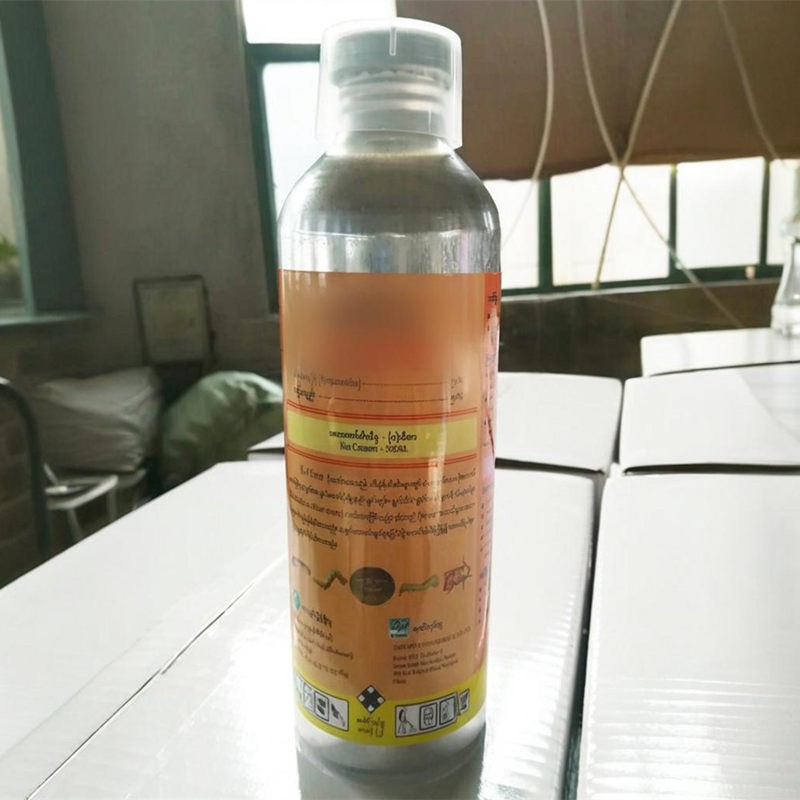
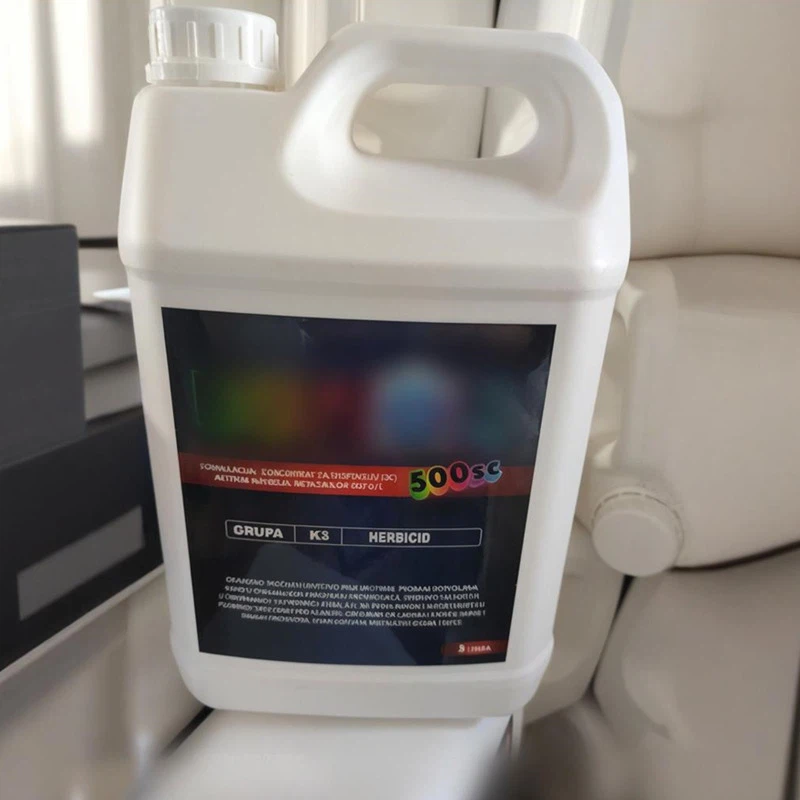
One of the products we offer as a MCPA supplier is MCPA 650G/L SL. This formulation is designed to provide effective weed control while being easy to handle and apply. It has a high concentration of MCPA, which means that a relatively small amount can be used to achieve good results. The 650G/L SL formulation is suitable for a wide range of applications, whether it is in large - scale agricultural fields or smaller horticultural areas. It can be applied using various methods such as spraying, ensuring that the herbicide is evenly distributed over the target weeds.
Factors Affecting MCPA's Weed - Control Efficacy
While MCPA is effective against many types of weeds, its efficacy can be influenced by several factors.
Weed Growth Stage
The growth stage of the weed is crucial for MCPA's effectiveness. Generally, MCPA works best when applied to young, actively growing weeds. Young weeds have a higher metabolic rate and are more likely to absorb and translocate the herbicide effectively. As weeds mature, their cell walls become thicker, and they may develop some resistance to the herbicide. Therefore, it is important to time the application of MCPA correctly to target the weeds at the most vulnerable stage.
Environmental Conditions
Environmental conditions such as temperature, humidity, and rainfall can also affect MCPA's performance. MCPA is more effective when applied under warm and sunny conditions. High temperatures can enhance the absorption and translocation of the herbicide within the weed. On the other hand, heavy rainfall shortly after application can wash away the herbicide, reducing its efficacy. It is important to check the weather forecast before applying MCPA to ensure optimal conditions.
Application Rate and Method
The correct application rate and method are essential for achieving good weed control. Applying too little MCPA may not effectively kill the weeds, while applying too much can lead to environmental pollution and potential damage to non - target plants. The application method, such as the type of sprayer used and the spray pattern, also affects how well the herbicide is distributed over the weeds. It is important to follow the product label instructions carefully when using MCPA.
Conclusion
As a MCPA supplier, we understand the importance of providing effective weed - control solutions. MCPA is a versatile herbicide that can control a wide variety of broad - leaf weeds in different settings, including agricultural fields, pastures, and non - crop areas. Our MCPA 650G/L SL formulation is a reliable option for farmers, ranchers, and land managers looking for an efficient way to manage weeds.
If you are interested in learning more about our MCPA products or would like to discuss your specific weed - control needs, we invite you to contact us for a procurement discussion. We are committed to providing high - quality products and excellent customer service to help you achieve the best results in weed management.
References
- "Herbicide Handbook" by the Weed Science Society of America.
- "Weed Biology and Management" textbooks.
- Research papers on the efficacy of MCPA in weed control from agricultural research institutions.