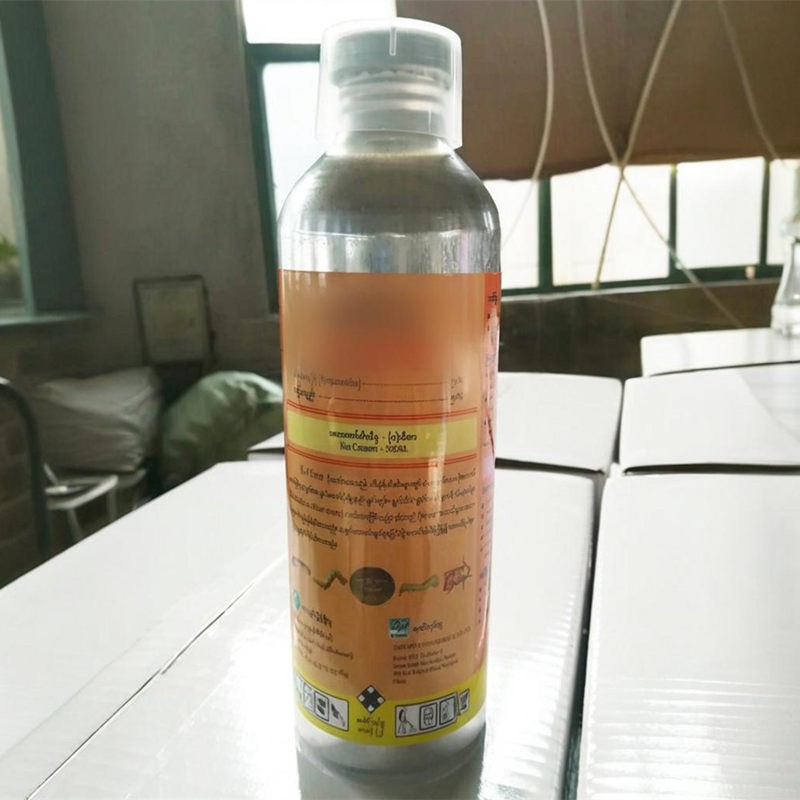
Hey there! As a supplier of imidacloprid, I often get asked whether imidacloprid is absorbed by plant roots quickly. It's a super important question, especially for farmers, gardeners, and anyone looking to protect their plants from pesky insects. So, let's dive right in and explore this topic.
First off, what exactly is imidacloprid? Imidacloprid is a widely - used insecticide that belongs to the neonicotinoid class. It's known for its effectiveness against a broad range of insects, including aphids, whiteflies, and thrips. The way it works is by targeting the nervous systems of insects, causing paralysis and eventually death.
Now, back to the main question: how fast does it get absorbed by plant roots? Well, the absorption rate of imidacloprid by plant roots can vary depending on several factors.
One of the key factors is the soil type. Different soils have different physical and chemical properties. For example, sandy soils have larger particles and better drainage. In sandy soils, imidacloprid can move more freely through the soil pores, which might lead to relatively faster root absorption. On the other hand, clay soils have smaller particles and can hold onto water and nutrients more tightly. This can sometimes slow down the movement of imidacloprid towards the plant roots, resulting in a slower absorption rate.
Another important factor is the soil moisture. Adequate soil moisture is crucial for the movement of imidacloprid in the soil. When the soil is too dry, the insecticide may not dissolve properly and may not be able to reach the plant roots effectively. In contrast, when the soil is overly saturated, it can lead to poor oxygen availability for the roots, which can also negatively impact the absorption process. Generally, a well - drained but moist soil provides the best conditions for imidacloprid root absorption.
The plant species also plays a role. Different plants have different root structures and physiological characteristics. Some plants have a more extensive and fibrous root system, which can provide a larger surface area for imidacloprid absorption. For instance, grasses often have a dense network of fine roots that can take up imidacloprid relatively quickly. Other plants with a more taproot - based system may have a slower absorption rate, as the taproot may be more focused on reaching deeper water sources rather than spreading out for nutrient and pesticide uptake.
The formulation of imidacloprid matters too. There are various formulations available in the market, such as granules, wettable powders, and soluble concentrates. For example, Imidacloprid 350G/L SC is a soluble concentrate formulation. Soluble concentrates are usually more readily available for root uptake compared to some other formulations. They can dissolve quickly in the soil water and be more easily transported to the plant roots.
In general, under optimal conditions - that is, a well - structured soil with the right moisture content, and a plant species with a good root system - imidacloprid can start to be absorbed by plant roots within a few hours to a couple of days. Once absorbed, it is then translocated throughout the plant via the xylem, which is the plant's water - conducting tissue. This allows the insecticide to reach different parts of the plant, providing protection against insects that feed on the leaves, stems, and other above - ground parts.
However, it's important to note that while imidacloprid can be absorbed relatively quickly under the right circumstances, its long - term effectiveness also depends on other factors. For example, the degradation rate of imidacloprid in the soil can affect how long it remains active in the plant. Environmental factors like temperature, sunlight, and the presence of soil microorganisms can all influence the degradation process.

Higher temperatures can sometimes speed up the degradation of imidacloprid, reducing its effectiveness over time. Sunlight can also cause photodegradation of the insecticide. Soil microorganisms can either break down imidacloprid or, in some cases, transform it into other compounds that may have different biological activities.
When using imidacloprid, it's essential to follow the recommended application rates and methods. Over - application can not only be wasteful but can also have negative impacts on the environment and non - target organisms. Under - application, on the other hand, may not provide sufficient protection against insects.
If you're a farmer, proper application timing is also crucial. For example, applying imidacloprid at the early stages of plant growth can ensure that the plant has a continuous supply of the insecticide as it develops. This can be particularly important for crops that are highly susceptible to insect damage during their early growth phases.
For gardeners, using imidacloprid can be a great way to protect your flowers, vegetables, and ornamental plants. But it's always a good idea to do a small - scale test first to see how your plants respond. And remember, it's just one part of an integrated pest management strategy. You should also consider other methods like biological control, cultural practices, and proper plant nutrition to keep your plants healthy.
In conclusion, whether imidacloprid is absorbed by plant roots quickly depends on a combination of factors including soil type, moisture, plant species, and formulation. Under optimal conditions, it can be absorbed relatively fast, providing effective insect control. But to make the most of this insecticide, it's important to understand these factors and use it in a responsible and informed way.
If you're interested in purchasing imidacloprid for your agricultural or gardening needs, we're here to help. We offer high - quality imidacloprid products and can provide you with all the information you need about application, storage, and safety. Don't hesitate to reach out to us for more details and to start a procurement discussion.
References
- Smith, J. (2018). "The impact of soil properties on neonicotinoid insecticide uptake by plants." Journal of Agricultural Science.
- Brown, A. (2019). "Plant - insecticide interactions: A review of imidacloprid absorption and translocation." Environmental Entomology.
- Green, C. (2020). "Formulation effects on the efficacy of imidacloprid in crop protection." Pest Management Science.