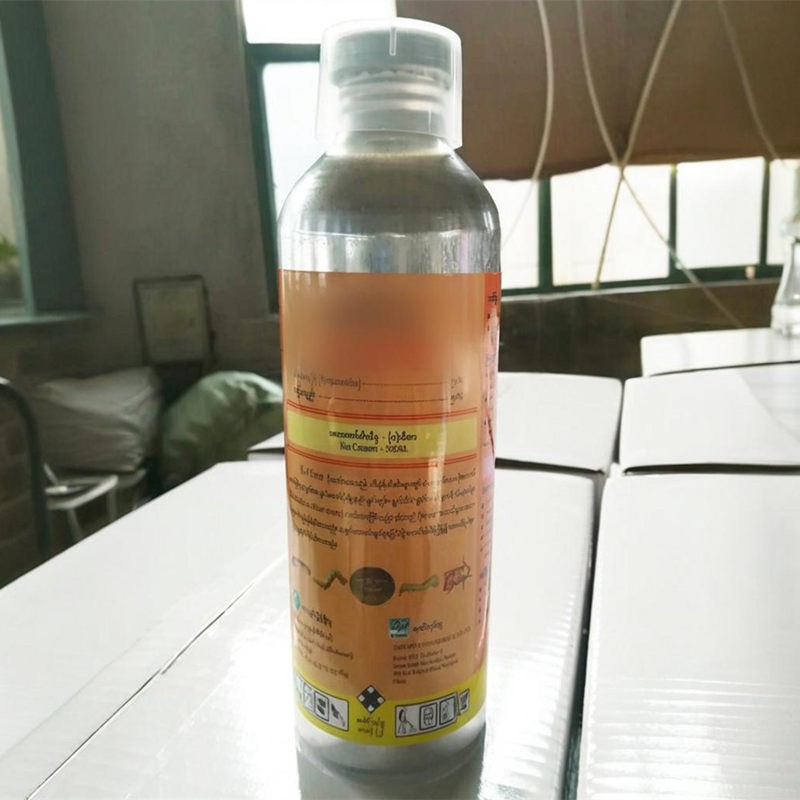
Hey there, fellow farmers and agri - enthusiasts! As a supplier of oxyfluorfen, I often get asked a ton of questions about its applications. One of the most common queries is whether oxyfluorfen can be used in wheat fields. So, let's dig deep into this topic and find out!
First off, let's understand what oxyfluorfen is. Oxyfluorfen is a pre - emergence and early post - emergence herbicide. It works by inhibiting the production of a specific enzyme in plants, which eventually leads to the death of the targeted weeds. This herbicide is pretty effective against a wide range of broadleaf weeds, grasses, and sedges. You can check out Oxyfluorfen 240G/L EC for more details on one of our popular products.
Now, onto the main question: Can it be used in wheat fields? Well, the answer isn't a simple yes or no. There are several factors to consider.

Weed Spectrum in Wheat Fields
Wheat fields are usually plagued by various types of weeds. Some of the common ones include wild mustard, chickweed, and lambsquarters. Oxyfluorfen is known to be effective against many broadleaf weeds like these. If your wheat field is overrun with broadleaf weeds, oxyfluorfen could potentially be a good option. However, it's not as effective against some grassy weeds. So, if your main weed problem is grassy weeds, you might need to look into other herbicides or use a combination approach.
Timing of Application
Timing is crucial when it comes to using any herbicide, and oxyfluorfen is no exception. In wheat fields, pre - emergence application of oxyfluorfen can be quite effective. This means applying it before the wheat seeds germinate and the weeds start to grow. When applied at this stage, oxyfluorfen can form a barrier in the soil that prevents weed seeds from germinating.
However, post - emergence application is a bit trickier. If you apply oxyfluorfen too late in the growth cycle of the wheat, it can cause damage to the wheat plants themselves. The wheat plants need to be at a certain stage of development to tolerate the herbicide. Usually, early post - emergence application, when the wheat is in the early growth stages and the weeds are just starting to appear, can be successful. But you've got to be really careful and follow the recommended application rates.
Soil Conditions
Soil type and conditions also play a big role in the effectiveness of oxyfluorfen in wheat fields. Oxyfluorfen is absorbed by the soil particles and then taken up by the emerging weed seedlings. Soils with high organic matter content can bind to the herbicide, reducing its effectiveness. On the other hand, sandy soils may allow the herbicide to leach more easily, which can also lead to inconsistent results.
It's important to test your soil before applying oxyfluorfen. If you have a soil with high organic matter, you might need to increase the application rate slightly. But again, this has to be done carefully to avoid harming the wheat.
Safety and Compatibility
Another aspect to consider is the safety of using oxyfluorfen in wheat fields. Oxyfluorfen is generally considered safe when used according to the label instructions. However, it can be toxic to some aquatic organisms. So, if your wheat field is near a water source like a pond or a stream, you need to take extra precautions.
Also, you need to think about compatibility with other pesticides or fertilizers you might be using in your wheat field. Some products may interact with oxyfluorfen, either reducing its effectiveness or causing harm to the wheat plants. Always read the labels of all the products you're using and consult with an agronomist if you're unsure.
Potential Risks
As with any herbicide, there are potential risks associated with using oxyfluorfen in wheat fields. One of the main risks is the development of herbicide - resistant weeds. If you use oxyfluorfen year after year without rotating with other herbicides, the weeds in your wheat field may develop resistance to it. This means that the herbicide will become less and less effective over time.
Another risk is the potential for crop injury. If the application rate is too high or if it's applied at the wrong time, oxyfluorfen can damage the wheat plants. This can lead to reduced yields and poor quality wheat.
Case Studies and Research
There have been several studies on the use of oxyfluorfen in wheat fields. Some farmers have reported good results, especially when they've got a problem with broadleaf weeds. For example, in a study conducted in a region with a high prevalence of wild mustard in wheat fields, pre - emergence application of oxyfluorfen at the recommended rate significantly reduced the weed population and increased the wheat yield.
However, other studies have shown that improper use of oxyfluorfen can lead to negative outcomes. For instance, a farmer who applied oxyfluorfen too late in the growth cycle of the wheat saw stunted growth and reduced yields.
Conclusion
So, can oxyfluorfen be used in wheat fields? The answer is that it can, but with careful consideration. If you've got a problem with broadleaf weeds, the timing and soil conditions are right, and you follow all the safety and application guidelines, oxyfluorfen can be an effective tool in your weed - control arsenal.
But remember, every wheat field is different. You need to assess your specific situation, including the type of weeds, soil conditions, and the growth stage of your wheat. It's also a good idea to consult with local agronomists or extension services for advice tailored to your region.
If you're interested in using oxyfluorfen in your wheat fields or have more questions about our products, don't hesitate to reach out. We're here to help you make the best decisions for your farm. Whether you're a small - scale farmer or managing a large agricultural operation, we can provide you with the right advice and high - quality oxyfluorfen products. Let's work together to keep your wheat fields healthy and weed - free!
References
- "Herbicide Handbook" by the Weed Science Society of America
- Various agricultural research papers on oxyfluorfen application in wheat fields