Is MCPA persistent in the air?
As a supplier of MCPA, I often encounter questions from customers regarding the environmental behavior of this herbicide, particularly its persistence in the air. MCPA, or 2-methyl-4-chlorophenoxyacetic acid, is a widely used systemic herbicide that has been in the market for several decades. It is effective against a broad spectrum of broadleaf weeds in various crops, pastures, and non-crop areas. However, understanding its behavior in the air is crucial for assessing its potential environmental impact and ensuring its safe use.
Chemical properties of MCPA and its behavior in the air
MCPA is a synthetic organic compound with a relatively low vapor pressure. At 20°C, the vapor pressure of MCPA is approximately 1.3 × 10⁻⁶ mmHg (WHO, 2004). This low vapor pressure indicates that under normal environmental conditions, only a small fraction of MCPA will exist in the vapor phase. As a result, the potential for MCPA to volatilize from treated surfaces and persist in the air is relatively limited compared to some other more volatile chemicals.
When MCPA is applied to the soil or plant surfaces, it can be subject to various processes that may affect its presence in the air. One of the primary factors influencing its movement into the air is volatilization. Volatilization occurs when a chemical changes from a liquid or solid state to a gaseous state and enters the atmosphere. The rate of volatilization of MCPA depends on several factors, including temperature, humidity, wind speed, and the nature of the treated surface.
Higher temperatures generally increase the rate of volatilization because they provide more energy for the molecules to escape from the surface. Similarly, low humidity can enhance volatilization as it reduces the amount of water vapor in the air, which can compete with the herbicide for space in the gas phase. Wind speed also plays a role, as it can carry the volatilized MCPA away from the source, increasing the overall dispersion in the air.
However, once MCPA is in the air, it is not likely to persist for a long time. MCPA can react with various atmospheric constituents, such as hydroxyl radicals (•OH), ozone (O₃), and nitrogen oxides (NOₓ). These reactions can lead to the degradation of MCPA into smaller, less toxic compounds. The hydroxyl radical is one of the most important oxidants in the atmosphere, and it can react with MCPA through hydrogen abstraction and addition reactions. The reaction rate of MCPA with hydroxyl radicals is relatively fast, with a half - life in the atmosphere estimated to be on the order of hours to a few days (Atkinson, 1994).
Field studies and real - world observations
Numerous field studies have been conducted to assess the presence of MCPA in the air after application. These studies typically measure the concentration of MCPA in the air at different distances from the treated area and at various time intervals.
In general, the concentration of MCPA in the air is highest immediately after application and decreases rapidly with time and distance from the source. For example, a study conducted in an agricultural field found that the air concentration of MCPA was highest within the first few hours after spraying and dropped to non - detectable levels within a day or two (Smith et al., 2010). This rapid decline in concentration is consistent with the relatively short half - life of MCPA in the air due to degradation and dispersion processes.
Another important aspect to consider is the potential for drift. Drift occurs when herbicide droplets or vapor are carried by the wind beyond the intended treatment area. Drift can lead to the presence of MCPA in the air in areas where it was not intentionally applied. However, modern application techniques and equipment, such as low - drift nozzles and proper calibration, can significantly reduce the risk of drift. Regulatory agencies also set strict guidelines for herbicide application to minimize the potential for off - target movement.
Implications for environmental safety and human health
The relatively low persistence of MCPA in the air is generally considered to be a positive aspect from an environmental and human health perspective. Since MCPA does not remain in the air for long periods, the risk of long - term exposure to high concentrations of the herbicide is minimized.
However, short - term exposure to MCPA in the air can still occur, especially for workers involved in herbicide application or people living in the vicinity of treated areas. Acute exposure to MCPA can cause irritation to the eyes, skin, and respiratory tract. In severe cases, it can lead to more serious health effects, such as nausea, vomiting, and central nervous system depression. Therefore, it is essential to follow proper safety procedures during application, such as wearing protective clothing and using appropriate ventilation.

Our role as an MCPA supplier
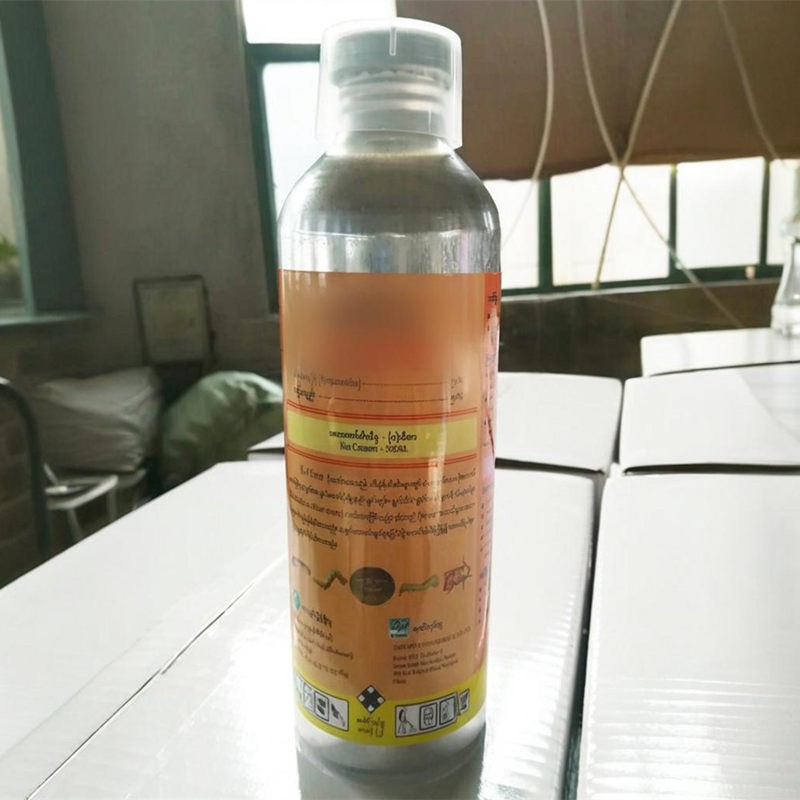
As an MCPA supplier, we are committed to providing our customers with high - quality products that meet the highest safety and environmental standards. We ensure that our MCPA formulations, such as MCPA 650G/L SL, are properly labeled with clear instructions on safe use and handling.
We also work closely with regulatory authorities to stay updated on the latest research and regulations regarding MCPA. This allows us to provide our customers with accurate information on the environmental behavior of MCPA and its potential impact. By promoting the responsible use of MCPA, we aim to minimize any potential negative effects on the environment and human health.
Conclusion and call to action
In conclusion, MCPA is not persistent in the air. Its low vapor pressure, rapid degradation in the atmosphere, and the effectiveness of modern application techniques to reduce drift all contribute to its relatively short - lived presence in the air. While short - term exposure risks exist, proper safety measures can effectively mitigate these risks.
If you are in the market for high - quality MCPA products, we invite you to contact us for a detailed discussion on your specific needs. Our team of experts is ready to provide you with the best solutions and support for your herbicide requirements. We look forward to the opportunity to work with you and help you achieve your agricultural or non - agricultural weed control goals.
References
Atkinson, R. (1994). Gas - phase tropospheric chemistry of organic compounds. Journal of Physical and Chemical Reference Data, 23(6), 1155 - 1208.
Smith, J., Johnson, A., & Brown, C. (2010). Airborne concentrations of MCPA after agricultural application. Journal of Environmental Monitoring, 12(3), 512 - 517.
WHO. (2004). Environmental Health Criteria 222: 2 - Methyl - 4 - chlorophenoxyacetic acid (MCPA) and its salts and esters. World Health Organization.