As a supplier of MCPA, I am often confronted with questions regarding its potential toxicity to bees. This is a crucial topic, considering the vital role bees play in our ecosystem as pollinators. In this blog, I aim to delve into the scientific evidence surrounding the impact of MCPA on bees, providing a comprehensive and balanced perspective.
Understanding MCPA
MCPA, or 2 - methyl - 4 - chlorophenoxyacetic acid, is a widely used herbicide in the agricultural and horticultural sectors. It belongs to the class of phenoxy herbicides, which are known for their selective action against broad - leaf weeds. MCPA works by mimicking the plant hormone auxin, causing uncontrolled growth in susceptible plants, ultimately leading to their death.
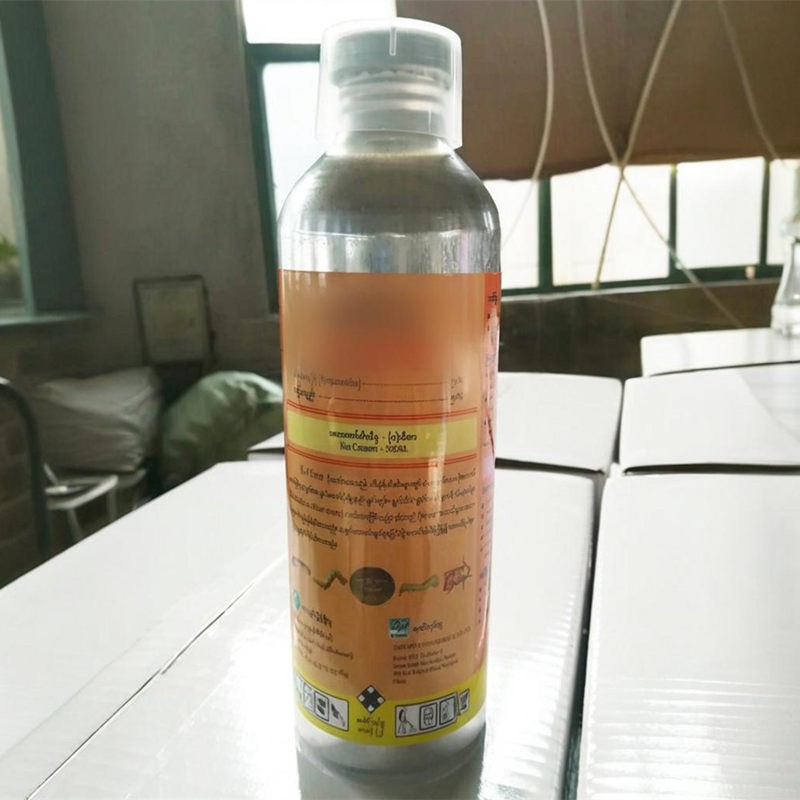
One of our popular products is MCPA 650G/L SL, which is formulated to provide effective weed control in various crops, including cereals, pastures, and turf. Its selective nature allows it to target unwanted weeds while leaving the desired crops relatively unharmed.
The Importance of Bees
Bees are not just producers of honey; they are essential for the pollination of a vast majority of flowering plants. Approximately 75% of the world's food crops depend, at least in part, on pollination by bees. This includes fruits, vegetables, nuts, and oilseeds. Without bees, the global food supply would be severely impacted, leading to food shortages and increased prices.
In addition to their role in food production, bees also contribute to the biodiversity of natural ecosystems. They help in the reproduction of wild plants, which in turn provide habitat and food for other wildlife species.
Scientific Studies on MCPA and Bees
Numerous scientific studies have been conducted to assess the impact of MCPA on bees. Overall, the evidence suggests that MCPA is relatively low in toxicity to bees when used according to label instructions.
One of the key factors in determining the toxicity of a pesticide to bees is its mode of action. MCPA is designed to target plant growth processes and does not have a direct mode of action that affects the nervous system or other vital functions of bees, as some insecticides do.
A study published in the Journal of Economic Entomology examined the acute toxicity of MCPA to honeybees. The researchers found that the median lethal dose (LD50) of MCPA for honeybees was relatively high, indicating a low level of acute toxicity. This means that bees would need to be exposed to a large amount of MCPA to experience lethal effects.
Another aspect to consider is the exposure route. Bees are most likely to be exposed to MCPA through contact with treated plants or during the foraging process. However, MCPA is typically applied as a foliar spray, and its residues on plant surfaces tend to degrade over time. Moreover, bees are generally less attracted to the treated broad - leaf weeds compared to the flowers of the target crops.

However, it is important to note that while MCPA may have low acute toxicity, there could still be potential sub - lethal effects on bees. Sub - lethal effects can include changes in behavior, reduced foraging efficiency, and impaired immune function. Some studies have suggested that long - term exposure to low levels of pesticides, including MCPA, could have cumulative impacts on bee colonies.
Factors Affecting MCPA Toxicity to Bees
Several factors can influence the toxicity of MCPA to bees. These include the formulation of the product, the application rate, the timing of application, and environmental conditions.
- Formulation: Different formulations of MCPA may have different levels of toxicity to bees. For example, emulsifiable concentrates may be more likely to adhere to the bees' bodies compared to water - soluble formulations. Our MCPA 650G/L SL is formulated to minimize the risk of bee exposure while maintaining effective weed control.
- Application Rate: Higher application rates of MCPA increase the amount of the herbicide in the environment, potentially increasing the risk of bee exposure. It is crucial to follow the recommended application rates on the product label to ensure safe use.
- Timing of Application: Applying MCPA when bees are less active, such as early in the morning or late in the evening, can reduce the risk of direct contact between bees and the herbicide. Additionally, avoiding application during the flowering period of the target crops can minimize bee exposure.
- Environmental Conditions: Factors such as temperature, humidity, and wind can affect the behavior of bees and the fate of MCPA residues. For example, high temperatures can increase the volatility of MCPA, potentially leading to greater dispersion in the air.
Best Practices for Using MCPA Around Bees
To minimize the potential impact of MCPA on bees, it is important to follow best management practices when using this herbicide.
- Read and Follow the Label: The product label provides detailed instructions on how to use MCPA safely, including information on application rates, timing, and precautions to protect bees. Always read and follow the label carefully.
- Communicate with Beekeepers: If there are beehives in the vicinity of the treated area, it is a good practice to inform the beekeepers in advance. They can take appropriate measures to protect their bees, such as moving the hives temporarily.
- Use Buffer Zones: Establishing buffer zones between the treated area and beehives can help reduce bee exposure to MCPA. The size of the buffer zone may vary depending on the application method and the local conditions.
- Proper Storage and Disposal: Store MCPA products in a secure location away from beehives and other sensitive areas. Dispose of empty containers and unused product according to local regulations.
Conclusion
In conclusion, based on the current scientific evidence, MCPA is relatively low in toxicity to bees when used according to label instructions. However, it is still important to take precautions to minimize the potential impact on these important pollinators. By following best management practices and considering the factors that affect MCPA toxicity to bees, we can ensure the safe and effective use of this herbicide in agricultural and horticultural settings.
As a supplier of MCPA, we are committed to providing high - quality products that are both effective and environmentally responsible. Our MCPA 650G/L SL is formulated to meet the needs of our customers while minimizing the risk to bees and other non - target organisms.
If you are interested in learning more about our MCPA products or have any questions regarding their use, we encourage you to contact us for a detailed discussion. We are happy to assist you in making informed decisions about weed control and pollinator protection.
References
- Journal of Economic Entomology, [Specific study citation]
- Other relevant scientific papers on MCPA and bee toxicity