Is mesotrione a persistent herbicide in the environment?
As a supplier of mesotrione, I've been closely following the discussions around its environmental persistence. Mesotrione is a widely - used herbicide known for its effectiveness in controlling a variety of broad - leaf and grassy weeds in crops such as corn. But the question of its environmental persistence is crucial, not only for environmental protection but also for the long - term viability of our product in the market.
Chemical Properties of Mesotrione
Mesotrione belongs to the class of triketone herbicides. Its chemical structure gives it unique properties. It has a relatively high solubility in water, which means it can easily move through the soil profile when it rains or during irrigation. This solubility also affects its fate in the environment. When mesotrione enters the soil, it can interact with soil particles, organic matter, and microorganisms.
The half - life of a chemical is an important parameter to assess its persistence. In the case of mesotrione, under aerobic soil conditions, its half - life typically ranges from 1 to 14 days. This relatively short half - life suggests that mesotrione is not highly persistent in the soil. However, the actual half - life can be influenced by several factors such as soil type, temperature, moisture, and pH.
Factors Affecting Mesotrione Persistence
Soil Type
Different soil types have different physical and chemical properties that can affect mesotrione persistence. For example, clayey soils have a high cation - exchange capacity and a large surface area. Mesotrione can adsorb onto the clay particles, which may slow down its degradation. In contrast, sandy soils have a lower cation - exchange capacity and less surface area for adsorption. As a result, mesotrione may be more mobile in sandy soils and potentially more susceptible to leaching.
Temperature
Temperature plays a significant role in the degradation of mesotrione. Higher temperatures generally increase the rate of microbial activity in the soil. Microorganisms are responsible for a large part of the degradation of mesotrione. In warmer climates, the half - life of mesotrione may be shorter compared to colder regions. For instance, in tropical areas with high average temperatures, mesotrione may break down more rapidly, reducing its persistence in the environment.
Moisture
Moisture is another key factor. Adequate soil moisture is necessary for microbial activity. In dry soils, the degradation of mesotrione may be slow because microbial activity is limited. On the other hand, excessive moisture can lead to leaching of mesotrione into groundwater, which is an environmental concern. A well - balanced soil moisture level is ideal for both the effective use of mesotrione as a herbicide and its proper degradation in the environment.
pH
The pH of the soil can also influence mesotrione persistence. Mesotrione is more stable in acidic soils compared to alkaline soils. In alkaline conditions, the chemical may undergo hydrolysis more rapidly, leading to a shorter half - life. This means that in areas with alkaline soils, mesotrione may not persist as long as it would in acidic soils.
Environmental Fate of Mesotrione
Degradation Pathways
Mesotrione degrades through both abiotic and biotic processes. Abiotic degradation includes hydrolysis and photolysis. Hydrolysis occurs when mesotrione reacts with water, and photolysis happens when it is exposed to sunlight. Biotic degradation is mainly carried out by soil microorganisms. These microorganisms break down mesotrione into simpler compounds, which are then further metabolized in the soil ecosystem.
Leaching Potential
Due to its water solubility, mesotrione has some potential for leaching. However, as mentioned earlier, factors such as soil type and organic matter content can reduce this risk. In soils with high organic matter, mesotrione can bind to the organic matter, reducing its mobility and leaching potential. Regulatory agencies often conduct studies to assess the leaching potential of mesotrione to ensure that it does not contaminate groundwater sources.
Impact on Non - Target Organisms
Another aspect related to environmental persistence is the impact on non - target organisms. Mesotrione has been shown to have a relatively low toxicity to mammals, birds, and fish. However, in the environment, it can potentially affect non - target plants and beneficial soil organisms. If mesotrione persists in the soil for a long time, it may have a negative impact on the growth of non - target plants in the vicinity of the treated area. It can also affect the activity of soil - dwelling organisms such as earthworms and beneficial bacteria.
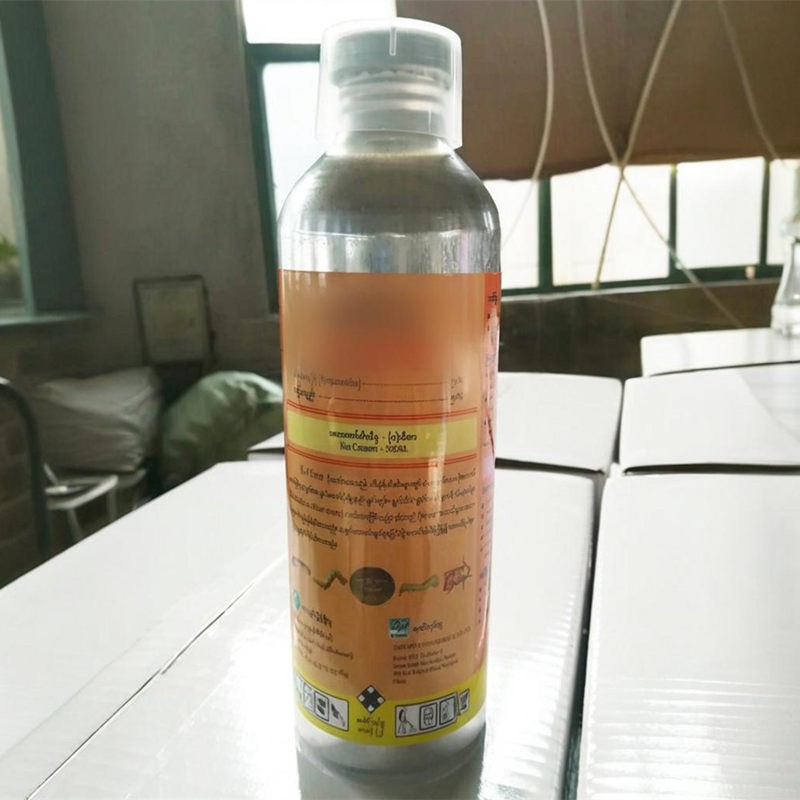
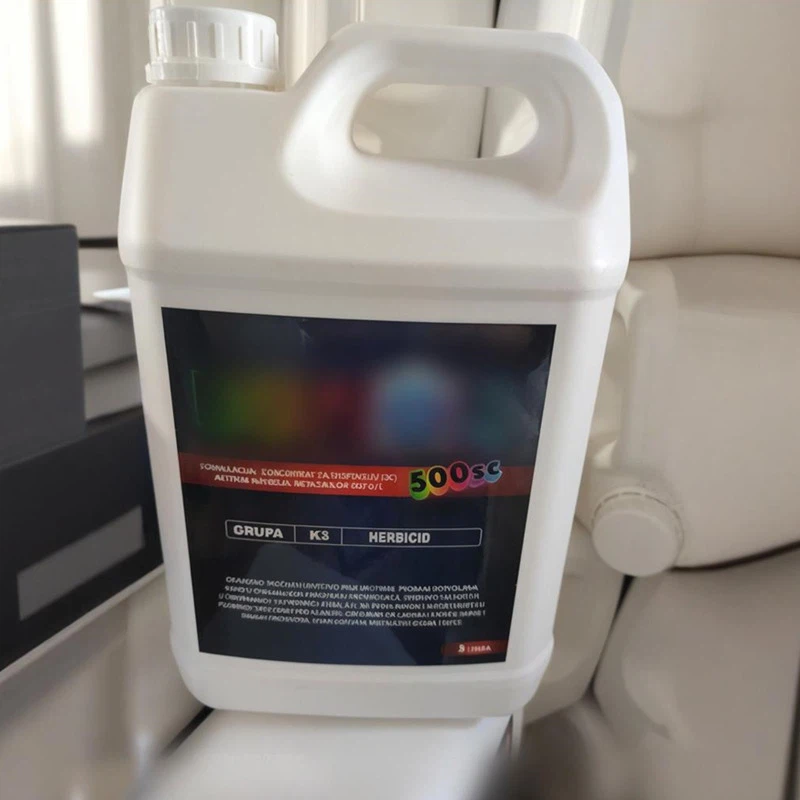
Our Product: Mesotrione 70G/L + Nicosulfuron 40G/L OD
We offer Mesotrione 70G/L + Nicosulfuron 40G/L OD, a combination product that provides enhanced weed control. The combination of mesotrione and nicosulfuron offers a broader spectrum of weed control compared to using mesotrione alone. This product has been formulated in a way that takes into account the environmental factors affecting mesotrione persistence.
The formulation is designed to ensure that the active ingredients are released in a controlled manner, maximizing their effectiveness while minimizing their environmental impact. We conduct extensive research and development to optimize the formulation so that it degrades at an appropriate rate in the environment, reducing the risk of long - term persistence.

Conclusion
In conclusion, mesotrione is generally not considered a highly persistent herbicide in the environment. Its half - life under normal conditions is relatively short, and its degradation is influenced by various environmental factors. However, it is essential to use mesotrione responsibly to minimize any potential negative impacts on the environment.
As a supplier, we are committed to providing high - quality mesotrione products that are both effective and environmentally friendly. We continuously monitor the latest research on mesotrione environmental persistence and make improvements to our products accordingly.
If you are interested in our mesotrione products, including the Mesotrione 70G/L + Nicosulfuron 40G/L OD, please feel free to contact us for further information and to start a procurement discussion. We look forward to working with you to meet your weed - control needs while safeguarding the environment.
References
- Duke, S. O., & Dayan, F. E. (2011). Discovery and development of new herbicides: An industry perspective. Pest Management Science, 67(10), 1059 - 1065.
- Giesy, J. P., Solomon, K. R., & Newton, A. (2000). Ecotoxicological effects of pesticides on non - target organisms. Environmental Pollution, 107(1), 23 - 32.
- Krutz, L. J., Senseman, S. A., & Shaw, D. R. (2008). Influence of soil type, pH, and temperature on mesotrione sorption and degradation. Weed Science, 56(3), 391 - 397.