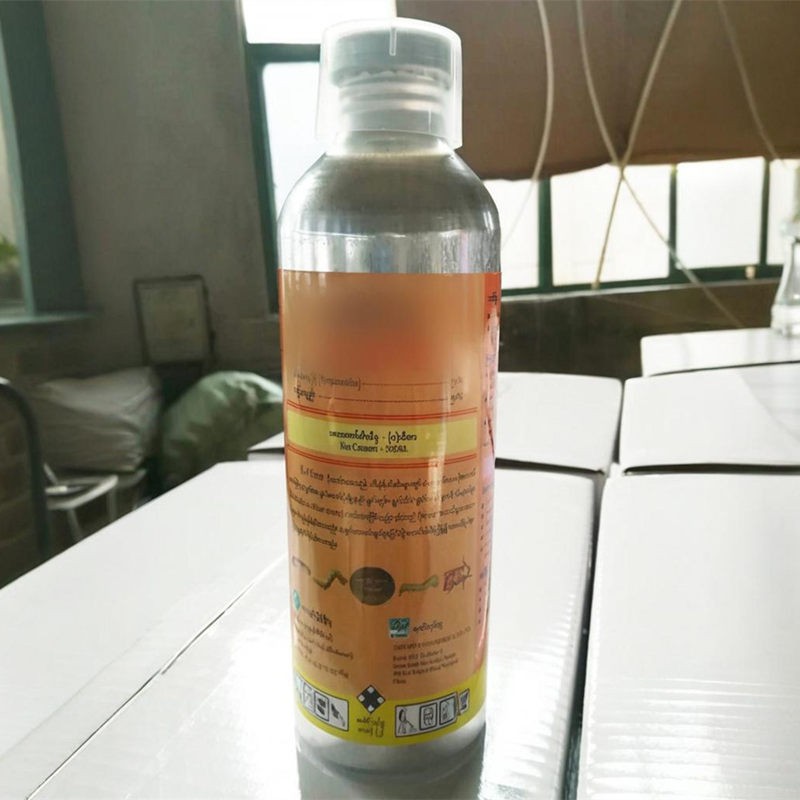
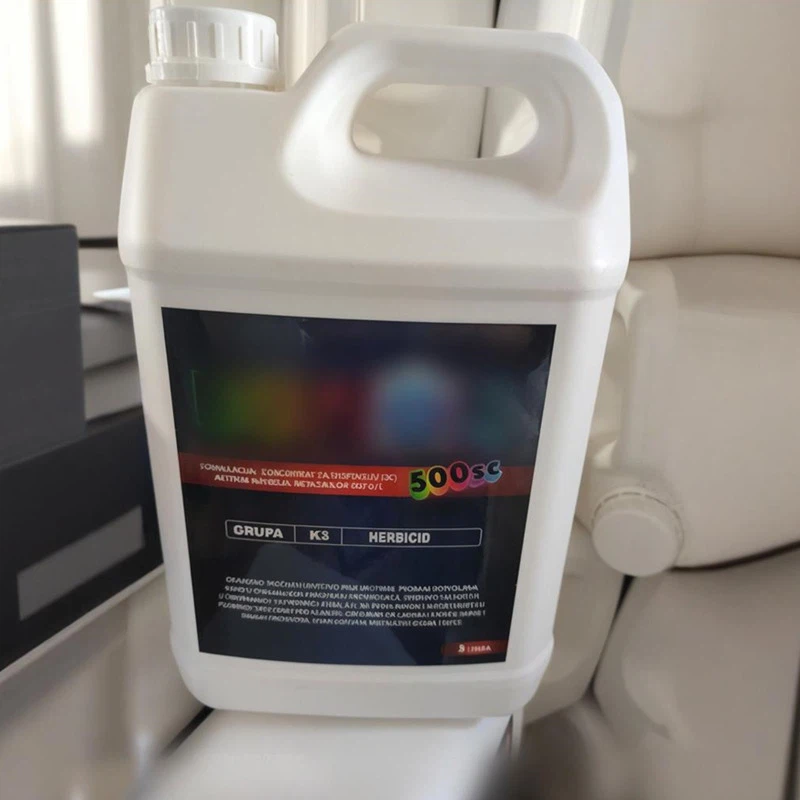
Is mesotrione a selective or non - selective herbicide?
As a supplier of mesotrione, I often encounter questions from customers regarding the nature of this herbicide - whether it is selective or non - selective. Understanding this distinction is crucial for farmers, agricultural professionals, and anyone involved in weed management, as it directly impacts the effectiveness and safety of herbicide use.
Selective vs. Non - selective Herbicides: A Brief Overview
Before delving into the specifics of mesotrione, it's important to understand the fundamental difference between selective and non - selective herbicides. Selective herbicides are designed to target and control specific types of weeds while leaving the desired crop relatively unharmed. These herbicides work by exploiting differences in the physiological and biochemical processes between the target weeds and the crop plants. For example, some selective herbicides may be absorbed and metabolized differently by weeds and crops, leading to selective toxicity.
On the other hand, non - selective herbicides are broad - spectrum killers that can damage or kill most plants they come into contact with. These herbicides are typically used in situations where complete vegetation control is required, such as in industrial areas, along fences, or in preparing a field for planting.
Mesotrione: A Selective Herbicide
Mesotrione is, in fact, a selective herbicide. It belongs to the class of herbicides known as triketone herbicides, which act by inhibiting the enzyme 4 - hydroxyphenylpyruvate dioxygenase (HPPD). This enzyme is involved in the biosynthesis of plastoquinone and tocopherols, which are essential for photosynthesis and other metabolic processes in plants.
When mesotrione is applied, it is absorbed by the leaves and roots of plants. In susceptible weeds, the inhibition of HPPD leads to a disruption in the synthesis of carotenoids, which are pigments that protect plants from photo - oxidative damage. As a result, the leaves of the affected weeds turn white or yellow (a condition known as bleaching), and the plants eventually die due to the inability to carry out photosynthesis effectively.
However, many crop plants have a natural tolerance to mesotrione. For example, corn has the ability to metabolize mesotrione into non - toxic compounds through a process called hydroxylation. This allows corn plants to withstand the herbicidal effects of mesotrione while the target weeds are killed. Other crops such as sorghum and turfgrass also show some level of tolerance to mesotrione, although the degree of tolerance may vary depending on the specific variety and growth stage.
Advantages of Using Mesotrione as a Selective Herbicide
One of the main advantages of using mesotrione as a selective herbicide is its broad - spectrum weed control. It is effective against a wide range of broadleaf and grassy weeds, including pigweed, lambsquarters, foxtail, and crabgrass. This makes it a valuable tool for farmers who are dealing with multiple weed species in their fields.
Another advantage is its relatively low toxicity to mammals and the environment. Mesotrione has a low acute toxicity to humans and animals, and it has a short half - life in soil, which means it breaks down relatively quickly and does not persist in the environment for long periods. This makes it a more environmentally friendly option compared to some other herbicides.
In addition, mesotrione can be used in combination with other herbicides to enhance its weed - control efficacy. For example, the Mesotrione 70G/L + Nicosulfuron 40G/L OD formulation combines the selective action of mesotrione with the activity of nicosulfuron, which is another selective herbicide that targets grassy weeds. This combination provides a more comprehensive weed - control solution for corn fields.
Factors Affecting the Selectivity of Mesotrione
While mesotrione is generally considered a selective herbicide, its selectivity can be influenced by several factors. One of the most important factors is the application rate. If the application rate is too high, it can cause damage to the crop plants, even those that are normally tolerant to mesotrione. Therefore, it is essential to follow the recommended application rates provided by the manufacturer.
The growth stage of the crop and the weeds also plays a crucial role in the selectivity of mesotrione. Younger plants are generally more susceptible to herbicides, so it is important to apply mesotrione at the appropriate growth stage of the crop and the weeds for optimal selectivity and weed - control efficacy.

Environmental conditions such as temperature, humidity, and rainfall can also affect the performance of mesotrione. High temperatures and low humidity can increase the volatility of mesotrione, which may lead to off - target movement and damage to non - target plants. On the other hand, heavy rainfall shortly after application can wash the herbicide off the leaves and reduce its effectiveness.
Conclusion
In conclusion, mesotrione is a selective herbicide that offers several advantages for weed management in agricultural and turfgrass settings. Its ability to target a wide range of weeds while leaving many crop plants unharmed makes it a valuable tool for farmers and other users. However, to ensure its safe and effective use, it is important to understand the factors that can affect its selectivity and to follow the recommended application guidelines.
If you are interested in purchasing mesotrione or learning more about its use, we invite you to contact us for a detailed discussion. Our team of experts is ready to provide you with the information and support you need to make an informed decision about your weed - control needs.
References
- Duke, S. O., & Powles, S. B. (2008). Resistance to herbicides acting on the enzyme 4 - hydroxyphenylpyruvate dioxygenase. Pest Management Science, 64(3), 209 - 214.
- Hatzios, K. K., & Penner, D. (Eds.). (1985). Herbicide selectivity: Physiological, biochemical, and molecular bases. CRC Press.
- Shaner, D. L. (2014). Herbicides: Chemistry, degradation, and mode of action. CRC Press.