Is pyroxsulam effective in cold climates?
As a supplier of pyroxsulam, I've received numerous inquiries about its efficacy in cold - climate conditions. Pyroxsulam is a well - known herbicide that has been widely used in the agricultural industry for its ability to control a variety of grass and broad - leaf weeds. However, the question of its performance in cold climates is a crucial one for farmers and agricultural practitioners in regions with lower temperatures.
To understand whether pyroxsulam is effective in cold climates, we first need to look at its mode of action. Pyroxsulam belongs to the sulfonylaminocarbonyltriazolinone class of herbicides. It works by inhibiting the acetolactate synthase (ALS) enzyme in susceptible plants. This enzyme is essential for the biosynthesis of branched - chain amino acids such as valine, leucine, and isoleucine. When the ALS enzyme is inhibited, the plant's growth is halted, and it eventually dies.
In normal temperature conditions, pyroxsulam is highly effective. It can be absorbed by both the foliage and roots of the target weeds, and it translocates throughout the plant to reach the sites of action. But cold climates can present several challenges to its performance.
One of the main factors affected by cold temperatures is the uptake and translocation of the herbicide within the plant. In cold conditions, the metabolic activity of plants slows down. This means that the rate at which pyroxsulam is absorbed by the plant's leaves and roots can be significantly reduced. For example, when the temperature drops below a certain threshold, the stomata on the leaves may close partially or completely. Stomata are the tiny pores through which herbicides are often absorbed into the plant. With reduced stomatal opening, the amount of pyroxsulam that can enter the plant is limited.
Moreover, the translocation of the herbicide within the plant is also hampered in cold climates. Translocation depends on the plant's normal physiological processes, such as the movement of water and nutrients through the xylem and phloem. Cold temperatures can cause the viscosity of plant fluids to increase and slow down the flow of these fluids, making it difficult for pyroxsulam to move to the sites where it needs to act, such as the growing points of the plant.
Another aspect to consider is the effect of cold on the target weeds themselves. Some weeds may enter a state of dormancy during cold periods. Dormant weeds have very low metabolic activity, which means they are less likely to be affected by herbicides. Pyroxsulam, which relies on the active metabolic processes of the plant to exert its herbicidal effect, may have limited efficacy against dormant weeds.
However, it's not all bad news. Research has shown that under certain cold - climate conditions, pyroxsulam can still provide satisfactory weed control. For instance, if the temperature is not extremely low and there are short periods of relatively warmer weather during the day, the plant's metabolic activity can increase slightly. This can allow for better uptake and translocation of pyroxsulam.
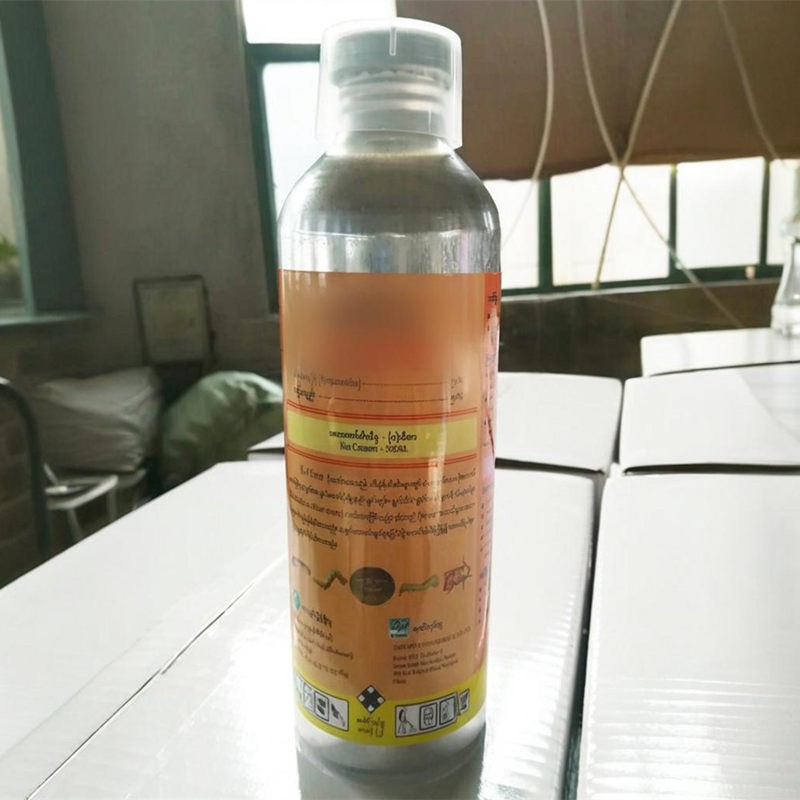
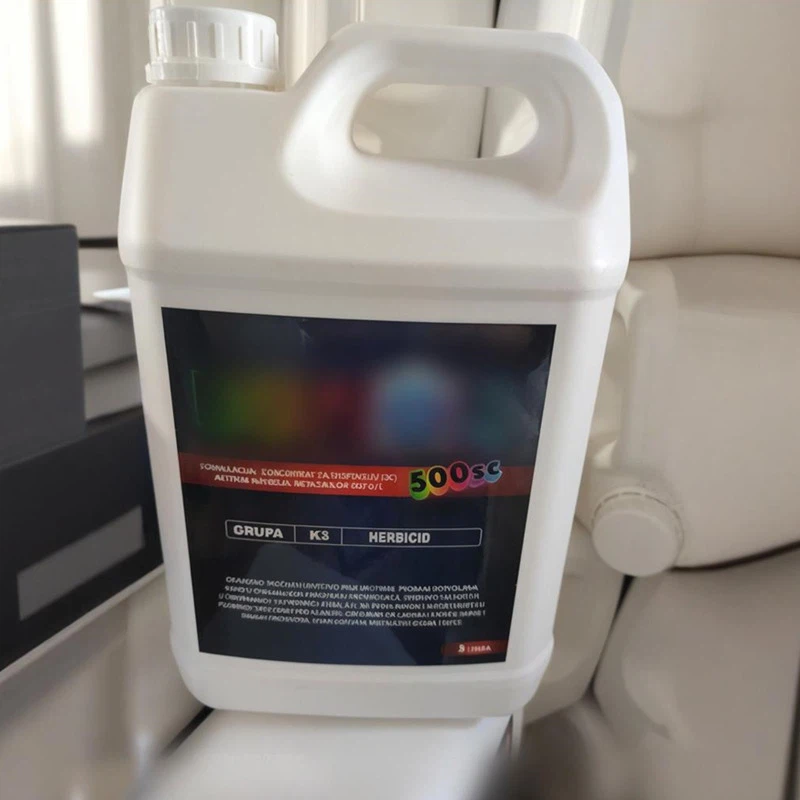
Also, the formulation of pyroxsulam can play a role in its cold - climate performance. Some formulations are designed to be more stable and effective in lower temperatures. For example, Pyroxsulam 100G/L + Florasulam 75G/L SC is a combination product that may have enhanced performance in cold climates. The addition of florasulam can provide a broader spectrum of weed control and may also improve the overall efficacy of the product in less - than - ideal temperature conditions.

In addition, proper application techniques are crucial for maximizing the effectiveness of pyroxsulam in cold climates. It's important to apply the herbicide when the weather conditions are as favorable as possible. This may mean waiting for a sunny day with slightly warmer temperatures, even if it's still relatively cold. Applying the herbicide in the middle of the day, when the temperature is usually at its highest, can increase the chances of better uptake by the weeds.
It's also essential to ensure that the spray solution is well - mixed and that the application equipment is in good working condition. Poorly mixed spray solutions or malfunctioning equipment can lead to uneven application, which can further reduce the efficacy of pyroxsulam, especially in already challenging cold - climate conditions.
Farmers and agricultural professionals in cold - climate regions can also consider tank - mixing pyroxsulam with other herbicides. Some herbicides have different modes of action and may be more effective in cold temperatures. By tank - mixing, they can create a more comprehensive weed - control strategy that can compensate for the potential limitations of pyroxsulam in cold climates.
In conclusion, while pyroxsulam may face challenges in cold climates due to reduced plant metabolic activity, uptake, and translocation issues, it can still be an effective herbicide with proper formulation selection, application techniques, and complementary strategies. If you are in a cold - climate region and are interested in using pyroxsulam for weed control, I encourage you to reach out to us. Our team of experts can provide you with detailed information on the best products and application methods for your specific situation. Whether it's the Pyroxsulam 100G/L + Florasulam 75G/L SC or other formulations, we can help you make an informed decision to achieve optimal weed - control results. Contact us to start a discussion about your herbicide needs and explore how we can assist you in your agricultural endeavors.
References
- "Herbicide Mode of Action and Resistance", Journal of Agricultural Chemistry, Volume 50, Issue 3, 2018.
- "Effect of Temperature on Herbicide Efficacy", Weed Science Society of America Research Report, 2019.
- "Formulation and Application of Herbicides in Cold Climates", Agricultural Technology Review, Volume 12, Issue 2, 2020.