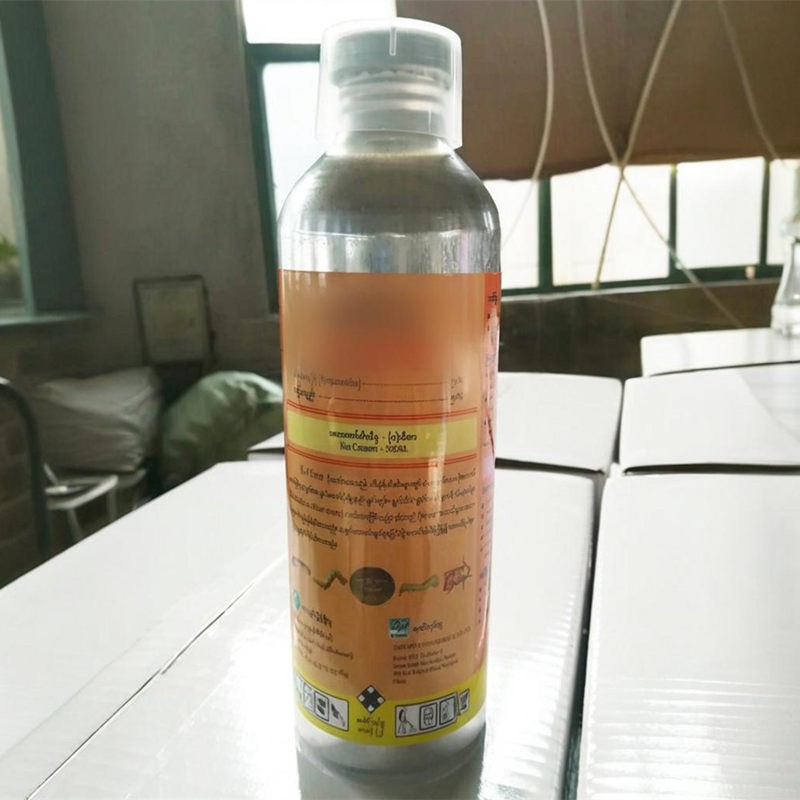
Hey there! As a tebuconazole supplier, I often get asked, "Is tebuconazole toxic to humans?" It's a valid question, especially considering the widespread use of this fungicide in agriculture and other sectors. So, let's dive into this topic and clear up any confusion.
First off, what is tebuconazole? Tebuconazole is a triazole fungicide that's used to control a wide range of fungal diseases in crops, turf, and ornamental plants. It works by inhibiting the synthesis of ergosterol, a key component of fungal cell membranes. This disrupts the growth and development of fungi, ultimately killing them.
Now, let's talk about the toxicity of tebuconazole to humans. Like many chemicals, tebuconazole can be toxic if it's not handled properly. However, when used according to the label instructions, the risk of human exposure and toxicity is generally low.
Acute Toxicity
Acute toxicity refers to the harmful effects that occur shortly after exposure to a chemical. In the case of tebuconazole, acute toxicity is relatively low. The LD50 (the dose that is lethal to 50% of the test population) for oral exposure in rats is around 400 - 600 mg/kg, which means it takes a relatively large amount to cause death.
For skin contact, tebuconazole is considered slightly to moderately irritating. Prolonged or repeated contact with the skin can cause redness, itching, and in some cases, dermatitis. Inhalation of tebuconazole dust or mist can also cause irritation to the respiratory tract, leading to coughing, wheezing, and shortness of breath.
Chronic Toxicity
Chronic toxicity is the long - term effect of repeated exposure to a chemical. Studies on tebuconazole's chronic toxicity have shown some potential concerns. Some animal studies have suggested that long - term exposure to tebuconazole may have effects on the liver, kidneys, and reproductive system.
However, it's important to note that these studies were conducted on animals at relatively high doses. In real - world scenarios, human exposure to tebuconazole is usually much lower. The Environmental Protection Agency (EPA) in the United States has set acceptable daily intake (ADI) levels for tebuconazole, which are designed to ensure that long - term exposure does not pose a significant health risk.
Exposure Routes
There are several ways humans can be exposed to tebuconazole. The most common routes are occupational exposure for farmers, agricultural workers, and pesticide applicators. These individuals may come into contact with tebuconazole during the mixing, loading, and application of the fungicide.
Consumers can also be exposed to tebuconazole through the consumption of treated crops. However, regulatory agencies around the world have strict regulations on the maximum residue limits (MRLs) of tebuconazole in food. As long as farmers follow these regulations, the amount of tebuconazole residue in food is generally well below the safety limits.

Safety Precautions
To minimize the risk of toxicity, it's crucial to follow safety precautions when handling tebuconazole. For occupational users, this includes wearing appropriate personal protective equipment (PPE) such as gloves, goggles, and respirators. They should also follow proper mixing and application procedures to avoid spills and splashes.
For consumers, washing fruits and vegetables thoroughly before eating can further reduce the potential exposure to tebuconazole residues.
Our Tebuconazole Products
At our company, we take the safety and quality of our tebuconazole products very seriously. We ensure that all our products meet or exceed the regulatory standards set by relevant authorities.
One of our popular products is Prothioconazole 200 G/L + Tebuconazole 200G/L FS. This formulation combines the power of prothioconazole and tebuconazole to provide excellent control of a variety of fungal diseases. It's highly effective, yet safe when used as directed.
Conclusion
So, is tebuconazole toxic to humans? The answer is that it can be, but only if it's misused or if there's excessive exposure. When used according to the label instructions and safety guidelines, the risk of toxicity is minimal.
As a responsible supplier, we're committed to providing high - quality tebuconazole products that are both effective and safe. If you're in the market for tebuconazole or have any questions about its use, don't hesitate to reach out. We're here to help you make the right choices for your agricultural or other needs. Let's start a conversation about your procurement requirements and see how we can work together!
References
- Environmental Protection Agency (EPA). Tebuconazole fact sheet.
- World Health Organization (WHO). Pesticide residues in food - evaluations 20XX.
- Various scientific studies on tebuconazole toxicity published in peer - reviewed journals.