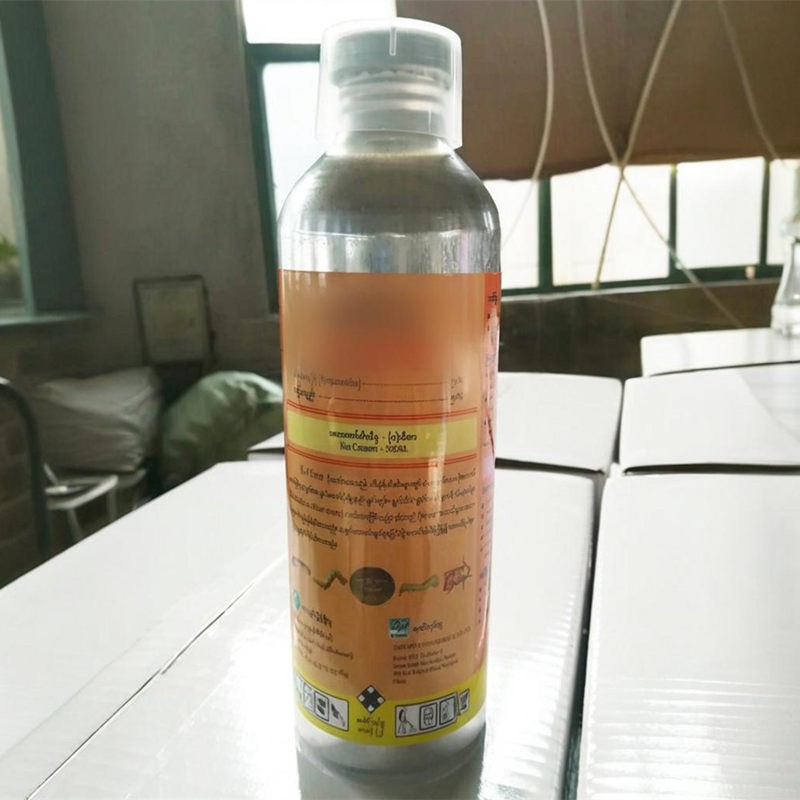
Flumioxazin is a well - known herbicide that has gained significant attention in the agricultural and horticultural sectors. As a supplier of flumioxazin, I often receive inquiries about its suitability for use in greenhouse settings. In this blog, I will delve into the scientific aspects of using flumioxazin in greenhouses, exploring its benefits, potential challenges, and best practices.
Understanding Flumioxazin
Flumioxazin belongs to the N - phenylphthalimide class of herbicides. It acts as a pre - emergence and early post - emergence herbicide, effectively controlling a wide range of broadleaf weeds and some grasses. Its mode of action involves inhibiting protoporphyrinogen oxidase (PPO), an enzyme crucial for chlorophyll synthesis in plants. When a susceptible weed absorbs flumioxazin, it disrupts the normal function of PPO, leading to the accumulation of toxic compounds that damage cell membranes and ultimately cause the death of the weed.
Advantages of Using Flumioxazin in Greenhouses
1. Broad - Spectrum Weed Control
One of the primary advantages of flumioxazin in greenhouse settings is its broad - spectrum weed control. Greenhouses often provide an ideal environment for weed growth due to the controlled temperature, humidity, and light conditions. Weeds can compete with crops for nutrients, water, and light, reducing crop yields and quality. Flumioxazin can effectively control many common greenhouse weeds, such as pigweed, lambsquarters, and morning glory. This helps to maintain a clean and productive growing environment for greenhouse crops.
2. Residual Activity
Flumioxazin has a relatively long residual activity in the soil. Once applied, it can remain active for several weeks, providing continuous weed control. In a greenhouse, where crops are often grown in a relatively confined space and may have a long growing season, this residual activity is highly beneficial. It reduces the need for frequent herbicide applications, saving time and labor costs for greenhouse growers.
3. Compatibility with Different Crops
Many greenhouse crops, including tomatoes, cucumbers, and peppers, have shown good tolerance to flumioxazin when applied at the recommended rates. This means that growers can use flumioxazin to control weeds without causing significant damage to their valuable crops. However, it is always important to conduct a small - scale trial before applying flumioxazin to a large area of greenhouse crops to ensure crop safety.
Potential Challenges of Using Flumioxazin in Greenhouses
1. Phytotoxicity Risks
Although many crops are tolerant to flumioxazin, there is still a risk of phytotoxicity, especially if the herbicide is applied at higher than recommended rates or under certain environmental conditions. For example, if the greenhouse is experiencing high temperatures or low humidity, the crop may be more sensitive to flumioxazin. Symptoms of phytotoxicity can include leaf discoloration, stunted growth, and reduced yields. To minimize these risks, it is essential to follow the label instructions carefully and monitor the crops closely after application.
2. Environmental Concerns
Greenhouses are relatively closed environments, and the use of herbicides can potentially have an impact on the internal environment. Flumioxazin may volatilize under certain conditions, and its residues can accumulate in the greenhouse soil and water. This can pose a risk to non - target organisms, such as beneficial insects and soil microorganisms. Therefore, it is important to use flumioxazin in a responsible manner, taking into account the potential environmental impacts.
3. Resistance Development
Continuous use of the same herbicide can lead to the development of herbicide - resistant weeds. In a greenhouse setting, where the weed population is often under high selection pressure, the risk of resistance development may be higher. To prevent this, it is recommended to use flumioxazin in rotation with other herbicides with different modes of action.
Best Practices for Using Flumioxazin in Greenhouses
1. Pre - Application Preparation
Before applying flumioxazin, it is important to prepare the greenhouse properly. This includes removing any existing weeds, tilling the soil if necessary, and ensuring that the soil is moist but not waterlogged. A well - prepared soil surface will help to ensure uniform herbicide distribution and better weed control.
2. Application Rates and Timing
Always follow the label instructions for the recommended application rates and timing. The application rate of flumioxazin may vary depending on the type of crop, the weed species present, and the soil type. For pre - emergence applications, it is best to apply flumioxazin shortly before planting or immediately after seeding. For early post - emergence applications, it should be applied when the weeds are in the early growth stages.
3. Safety Precautions
When handling and applying flumioxazin, it is crucial to wear appropriate personal protective equipment (PPE), such as gloves, goggles, and a respirator. After application, keep the greenhouse closed for a certain period to prevent the herbicide from drifting out and to allow it to work effectively. Also, make sure to clean all application equipment thoroughly to avoid cross - contamination.
4. Monitoring and Evaluation
Regularly monitor the greenhouse for weed control and crop response after flumioxazin application. Check for any signs of phytotoxicity or weed resistance. If necessary, make adjustments to the herbicide program in subsequent growing seasons.
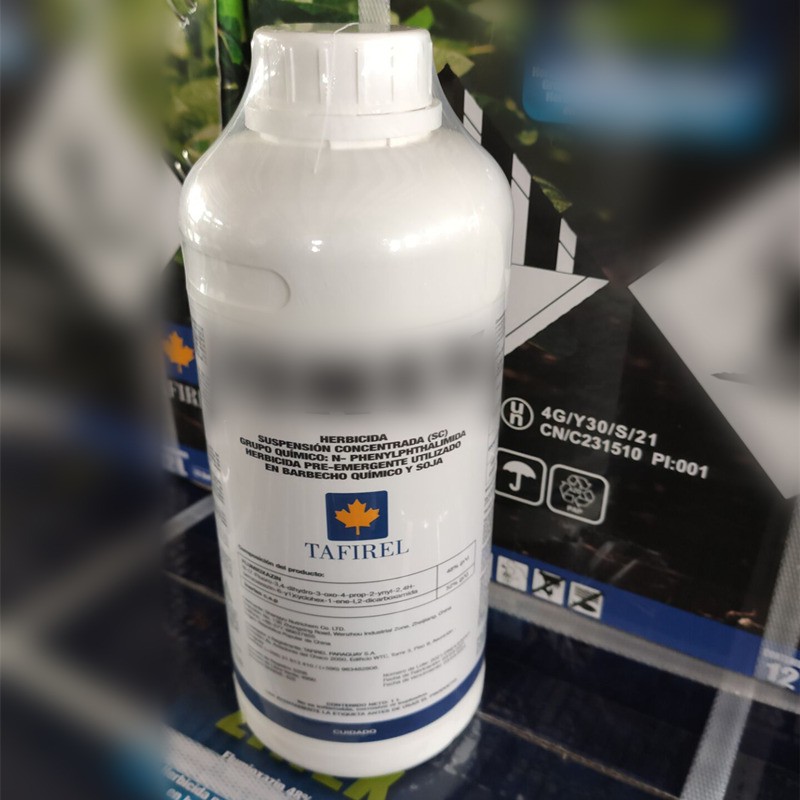
Our Flumioxazin Product: Flumioxazin 480G/L SC
As a supplier, I am proud to offer Flumioxazin 480G/L SC. This formulation of flumioxazin is specifically designed for effective weed control in various agricultural and horticultural settings, including greenhouses. It has a high concentration of the active ingredient, ensuring reliable and long - lasting weed control. Our product is manufactured to the highest quality standards, and we provide detailed technical support to help growers use it safely and effectively.
Conclusion
In conclusion, flumioxazin can be a valuable tool for weed control in greenhouse settings. It offers broad - spectrum weed control, residual activity, and compatibility with many greenhouse crops. However, growers need to be aware of the potential challenges, such as phytotoxicity risks, environmental concerns, and resistance development. By following the best practices outlined in this blog, growers can maximize the benefits of flumioxazin while minimizing its negative impacts.
If you are a greenhouse grower interested in using flumioxazin for weed control, I encourage you to contact us for more information. We can provide you with detailed product specifications, application guidelines, and pricing. Our team of experts is also available to answer any questions you may have and to assist you in developing a customized weed control program for your greenhouse. Let's work together to achieve a weed - free and productive greenhouse environment.
References
- "Flumioxazin: A Review of Its Chemistry, Mode of Action, and Use in Agriculture." Journal of Weed Science and Management.
- Product label of Flumioxazin 480G/L SC.
- Research studies on the use of flumioxazin in greenhouse crops conducted by agricultural research institutions.