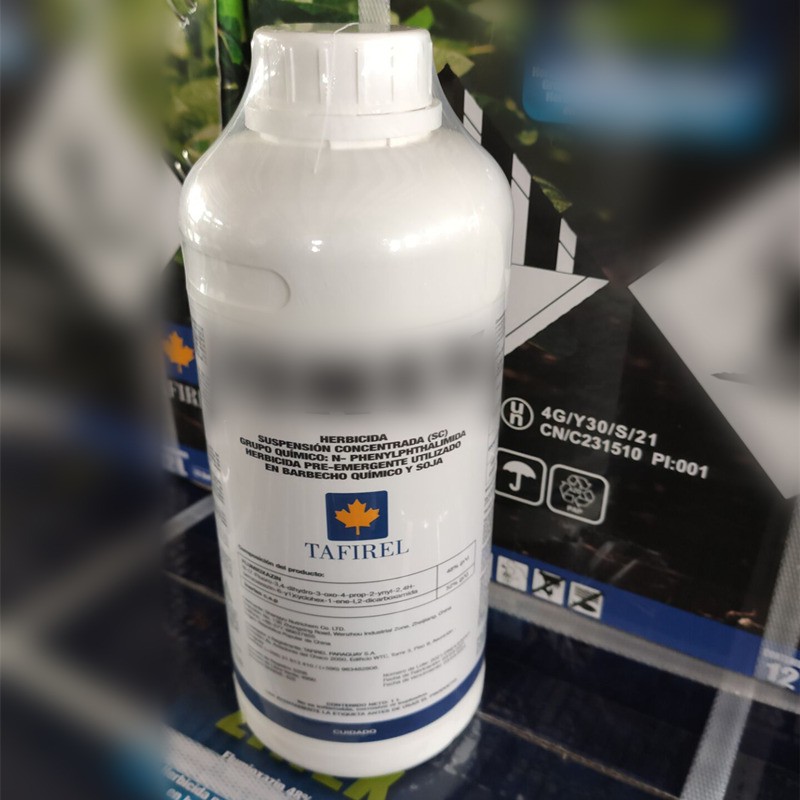
Hey there! As a supplier of pyroxsulam, I'm super stoked to share some of the best practices for using this amazing herbicide. Pyroxsulam is a powerful tool in the fight against weeds, and when used correctly, it can really make a difference in your crop yields and overall farm management.
Understanding Pyroxsulam
First things first, let's talk a bit about what pyroxsulam is. It's a sulfonylaminocarbonyltriazolinone herbicide that works by inhibiting the acetolactate synthase (ALS) enzyme in susceptible plants. This enzyme is crucial for the synthesis of branched - chain amino acids, and without it, the weeds just can't grow and eventually die off.

One of the great things about pyroxsulam is its broad - spectrum activity. It can effectively control a wide range of grass and broadleaf weeds, including some of the most stubborn ones like wild oats, blackgrass, and various types of chickweed. This makes it a go - to choice for many farmers looking for a comprehensive weed control solution.
Application Timing
Timing is everything when it comes to using pyroxsulam. For pre - emergence applications, it's best to apply it just before the weeds start to germinate. This gives the herbicide a chance to form a barrier in the soil, preventing the weeds from getting a foothold. However, most of the time, post - emergence applications are more common.
For post - emergence use, you want to apply pyroxsulam when the weeds are in their early growth stages. Younger weeds are more susceptible to the herbicide, and they'll absorb it more effectively. Generally, this means applying it when the weeds have 2 - 4 leaves. If you wait too long, the weeds may have developed a thicker cuticle or other defenses that make them more resistant to the herbicide.
Mixing and Spraying
When it comes to mixing pyroxsulam, it's important to follow the label instructions carefully. Usually, you'll need to mix it with water in a spray tank. Make sure the tank is clean before you start mixing to avoid any contamination.
I recommend using a good quality surfactant. A surfactant helps the herbicide spread better on the leaf surface of the weeds, improving its absorption. You can find many different types of surfactants on the market, so choose one that's compatible with pyroxsulam.
When spraying, use a calibrated sprayer to ensure an even application. The sprayer should be set to deliver the correct amount of herbicide per unit area. You don't want to under - apply and leave some weeds alive, but over - applying can also be wasteful and may cause damage to your crops.
Compatibility with Other Herbicides
Pyroxsulam can often be mixed with other herbicides to expand its weed - control spectrum or to target specific weed species. For example, Pyroxsulam 100G/L + Florasulam 75G/L SC is a great combination product. Florasulam has its own unique mode of action and can control some weeds that pyroxsulam might not be as effective against on its own.
However, before you mix it with other herbicides, always do a small - scale compatibility test. Mix a small amount of the two products together in a container and let it sit for a while. If you see any signs of precipitation, separation, or other chemical reactions, then they're not compatible and shouldn't be mixed.
Environmental Considerations
We all know how important it is to be environmentally responsible when using herbicides. Pyroxsulam has a relatively low environmental impact compared to some other herbicides, but we still need to take precautions.
Avoid spraying on windy days to prevent drift. Drift can cause the herbicide to land on non - target areas, like neighboring crops, water bodies, or wildlife habitats. Also, be careful near water sources. Don't spray too close to rivers, lakes, or ponds, as pyroxsulam can potentially contaminate the water.
Resistance Management
One of the biggest challenges in herbicide use is the development of weed resistance. Over time, if the same herbicide is used repeatedly, some weeds may develop resistance to it. To prevent this from happening with pyroxsulam, it's important to rotate it with other herbicides that have different modes of action.
You can also use a combination of cultural, mechanical, and chemical weed - control methods. For example, tillage can be used to disrupt the weed life cycle, and crop rotation can reduce the pressure on a single herbicide.
Safety Precautions
Safety should always be your top priority when handling pyroxsulam. Wear appropriate personal protective equipment (PPE), such as gloves, goggles, and a long - sleeved shirt and pants. Avoid contact with your skin, eyes, and mouth.
If you accidentally get the herbicide on your skin, wash it off immediately with plenty of water. If it gets in your eyes, flush them with water for at least 15 minutes and seek medical attention.
Storage
Proper storage of pyroxsulam is also crucial. Store it in a cool, dry place away from direct sunlight. Keep it out of reach of children and pets. Make sure the container is tightly sealed to prevent any leakage or evaporation.
Monitoring and Evaluation
After applying pyroxsulam, it's important to monitor the treated area regularly. Check for weed control effectiveness. If you notice that some weeds are still alive or are showing signs of recovery, you may need to take additional action, such as a follow - up application or using a different herbicide.
Also, keep an eye on your crops for any signs of damage. Sometimes, even when used correctly, there can be some minor phytotoxicity. If you see any unusual symptoms on your crops, consult an agronomist or the herbicide manufacturer.
Conclusion
So there you have it, some of the best practices for using pyroxsulam. It's a great herbicide with a lot of potential, but it needs to be used correctly to get the best results. As a supplier, I'm always here to help you with any questions you might have about pyroxsulam. Whether it's about application rates, compatibility, or safety, feel free to reach out.
If you're interested in purchasing pyroxsulam or want to discuss your specific weed - control needs, I'd love to have a chat with you. Just drop me a line, and we can start the conversation. Let's work together to keep your fields weed - free and your crops thriving!
References
- Product label of pyroxsulam
- Agronomic research on herbicide application and resistance management