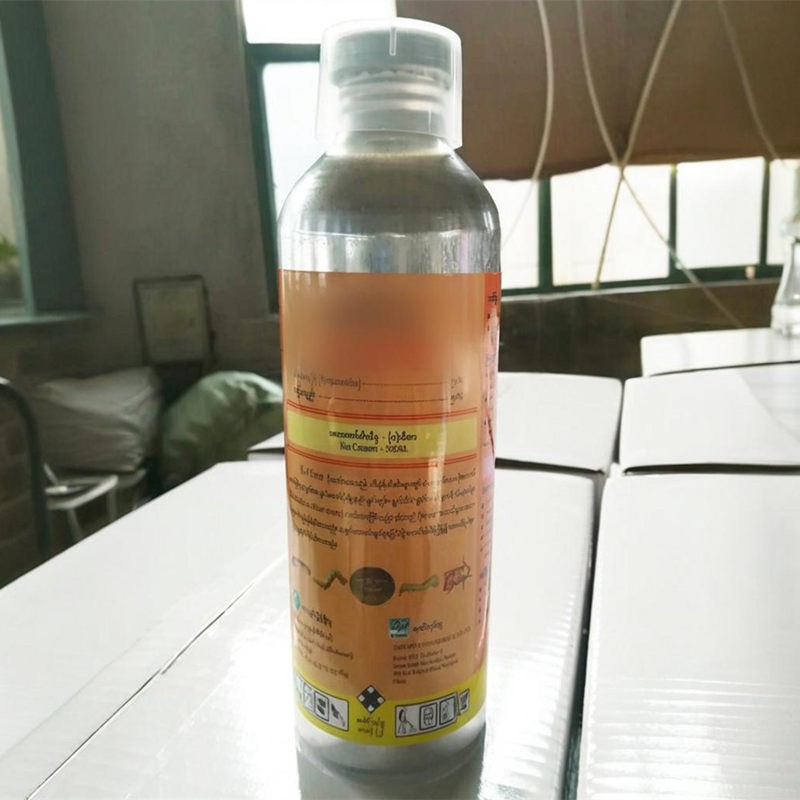
Hey there! As a supplier of oxyfluorfen, I often get asked about its environmental impacts. Oxyfluorfen is a widely used herbicide, and it's crucial to understand how it affects our environment. In this blog, I'll break down the environmental impacts of oxyfluorfen and share some insights on its use.
What is Oxyfluorfen?
First off, let's briefly talk about what oxyfluorfen is. Oxyfluorfen is a pre - and post - emergence herbicide. It's commonly used in agriculture, horticulture, and non - crop areas to control a variety of broadleaf and grassy weeds. It works by interfering with the plant's ability to produce chlorophyll, which eventually leads to the death of the targeted weeds. You can find our Oxyfluorfen 240G/L EC product, which is a popular formulation in the market.
Soil Impact
One of the primary areas where oxyfluorfen has an impact is the soil. When oxyfluorfen is applied to the soil, it can persist for a certain period. The half - life of oxyfluorfen in soil can range from several weeks to months, depending on factors like soil type, temperature, and moisture.
In some cases, the long - term presence of oxyfluorfen in the soil can affect soil microorganisms. These microorganisms play a vital role in soil fertility, nutrient cycling, and decomposition. For example, certain bacteria and fungi that are involved in breaking down organic matter may be inhibited by oxyfluorfen. This can lead to a slowdown in the decomposition process, which in turn affects the availability of nutrients for plants.
However, it's not all bad news. In well - managed agricultural systems, the use of oxyfluorfen can be carefully controlled to minimize its negative impacts on the soil. By following proper application rates and timing, farmers can ensure that the herbicide effectively controls weeds without causing excessive harm to the soil ecosystem.
Water Impact
Oxyfluorfen can also find its way into water bodies. This can happen through runoff from treated fields or through leaching into groundwater. Once in water, oxyfluorfen can have adverse effects on aquatic life.

Aquatic plants are particularly vulnerable. Since oxyfluorfen is designed to target plants, it can disrupt the growth and photosynthesis of aquatic plants. This can have a cascading effect on the entire aquatic ecosystem. For example, if the primary producers (aquatic plants) are affected, it can lead to a decrease in food availability for herbivorous aquatic animals, which in turn can affect the predators that feed on them.
In addition, oxyfluorfen can be toxic to fish and other aquatic organisms. It can cause damage to their gills, liver, and other organs, and can also affect their reproductive capabilities. To reduce the risk of water contamination, it's important to implement best management practices such as buffer zones around water bodies and proper irrigation management.
Air Impact
Although the air impact of oxyfluorfen is relatively less studied compared to soil and water impacts, there is still a potential for it to be released into the air. During the application process, especially if it's done using spraying equipment, some of the oxyfluorfen can become airborne as fine droplets.
These airborne particles can be inhaled by humans and animals in the vicinity. While the acute toxicity of inhaled oxyfluorfen is generally low, long - term exposure to small amounts of the herbicide in the air may have health implications. For example, it could potentially cause respiratory irritation or other health problems over time. To minimize air exposure, it's important to use appropriate application techniques and personal protective equipment.
Impact on Non - Target Plants
Another aspect of the environmental impact of oxyfluorfen is its effect on non - target plants. Sometimes, the herbicide can drift from the treated area to nearby non - target plants. This can happen due to wind during spraying or improper application.
Non - target plants can include wildflowers, native grasses, and other beneficial plants. When these plants are exposed to oxyfluorfen, they can experience stunted growth, leaf damage, and even death. This can have a negative impact on biodiversity, as it can reduce the number of plant species in an area.
To prevent damage to non - target plants, it's essential to use proper spraying techniques, such as using low - drift nozzles and avoiding spraying on windy days. Additionally, creating buffer zones between the treated area and non - target plants can help reduce the risk of drift.
Mitigating the Environmental Impacts
As a supplier of oxyfluorfen, we're committed to promoting its responsible use. There are several ways to mitigate the environmental impacts of oxyfluorfen:
- Proper Application: Following the recommended application rates and timing is crucial. Over - application can increase the risk of environmental contamination, while under - application may not effectively control weeds.
- Integrated Weed Management: Combining the use of oxyfluorfen with other weed control methods, such as mechanical weeding and crop rotation, can reduce the overall reliance on the herbicide. This can help minimize its environmental impact.
- Monitoring and Testing: Regularly monitoring soil and water quality in treated areas can help detect any potential problems early. If necessary, adjustments can be made to the application practices.
Conclusion
In conclusion, oxyfluorfen is a powerful herbicide with both benefits and environmental impacts. While it can effectively control weeds and increase crop yields, it's important to be aware of its potential effects on the soil, water, air, and non - target plants.
As a supplier, we encourage our customers to use oxyfluorfen responsibly. By following best management practices, we can ensure that the benefits of oxyfluorfen are maximized while minimizing its negative environmental impacts.
If you're interested in purchasing our Oxyfluorfen 240G/L EC or have any questions about its use, feel free to reach out. We're here to help you make informed decisions and achieve effective weed control in an environmentally friendly way.
References
- Smith, J. (2020). Environmental impacts of herbicides in modern agriculture. Journal of Agricultural Science, 12(3), 45 - 56.
- Johnson, R. (2019). Aquatic toxicity of oxyfluorfen and its implications for water management. Water Research, 25(2), 78 - 89.
- Brown, A. (2018). Soil microbial responses to long - term herbicide use. Soil Biology and Biochemistry, 18(4), 112 - 123.