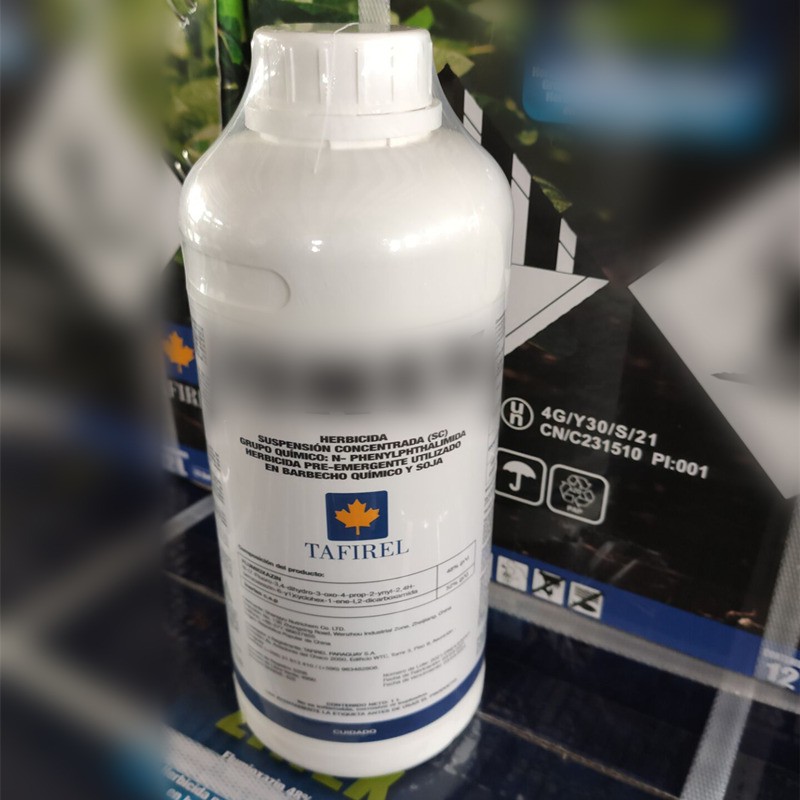
Hey there! As a supplier of fluroxypyr, I've seen firsthand how this herbicide can be a game - changer in rice fields. But like any powerful tool, it needs to be used with care. So, let's dive into the precautions you should take when using fluroxypyr in rice fields.
1. Know Your Target Weeds
First things first, you gotta know which weeds you're up against. Fluroxypyr is effective against a wide range of broad - leaf weeds in rice fields, such as amaranth, smartweed, and purslane. But it's not a one - size - fits - all solution. Some weeds might be resistant to it, so it's crucial to identify the weeds accurately before spraying. You can take a sample to a local agricultural extension service or use some reliable weed - identification apps. If you misidentify the weeds, you might end up wasting your time and money on an ineffective treatment.
2. Check the Application Timing
Timing is everything when it comes to using fluroxypyr in rice fields. Applying it too early or too late can significantly reduce its effectiveness. Generally, the best time to apply fluroxypyr is when the weeds are in their early growth stages. At this point, the weeds are more vulnerable to the herbicide, and it can be absorbed more easily.
For most broad - leaf weeds in rice fields, the 2 - 4 leaf stage is ideal. If you apply it too late, the weeds may have already developed a thick waxy cuticle that can prevent the herbicide from penetrating. On the other hand, if you apply it too early, the weeds may not have emerged fully, and you might miss some of them.
3. Mind the Weather Conditions
Weather plays a huge role in how well fluroxypyr works. You don't want to spray it on a windy day. Wind can cause the herbicide to drift to non - target areas, which is not only a waste but can also damage neighboring crops. A wind speed of less than 3 - 4 miles per hour is ideal for spraying.

Rain is another factor to consider. If it's going to rain within 6 - 8 hours after application, hold off on spraying. Rain can wash the herbicide off the weeds before it has a chance to be absorbed, reducing its effectiveness. Sunny and warm days are generally the best for application, as the herbicide is absorbed more quickly under these conditions.
4. Follow the Mixing Instructions
When mixing fluroxypyr, it's super important to follow the instructions on the label. Using the wrong concentration can lead to either ineffective weed control or damage to the rice plants. You should use clean water for mixing, as dirty water can contain substances that may react with the herbicide and reduce its effectiveness.
Don't try to cut corners by using less herbicide than recommended, thinking you'll save money. This will likely result in poor weed control. On the other hand, using too much can harm the rice plants and may also have negative environmental impacts.
5. Protect Yourself and the Environment
When handling fluroxypyr, safety should be your top priority. Wear protective clothing, including gloves, goggles, and a long - sleeved shirt and pants. This will prevent the herbicide from coming into contact with your skin and eyes.
Also, be mindful of the environment. Avoid spraying near water sources such as rivers, lakes, or ponds, as fluroxypyr can be toxic to aquatic life. If you accidentally spill some of the herbicide, clean it up immediately using the appropriate absorbent materials.
6. Consider Tank - Mixing
Sometimes, you might want to tank - mix fluroxypyr with other herbicides to increase its effectiveness or target a wider range of weeds. However, you need to be very careful when doing this. Not all herbicides are compatible with fluroxypyr. Before tank - mixing, check the product labels or consult with an agricultural expert.
Incompatible herbicides can react with each other, forming precipitates or reducing the effectiveness of one or both herbicides. For example, mixing fluroxypyr with some alkaline herbicides can cause chemical reactions that make the herbicide less effective.
7. Monitor the Rice Fields
After applying fluroxypyr, keep a close eye on the rice fields. Check for any signs of damage to the rice plants, such as yellowing, wilting, or stunted growth. If you notice any of these symptoms, it could be a sign of herbicide damage.
Also, monitor the weed control. If you see that the weeds are not being effectively controlled, you may need to re - evaluate your application method or consider using a different herbicide.
8. Storage and Disposal
Proper storage and disposal of fluroxypyr are also important. Store the herbicide in a cool, dry place, away from direct sunlight and heat sources. Keep it out of reach of children and pets.
When it comes to disposal, follow the local regulations. Don't pour the leftover herbicide down the drain or throw the empty containers in the regular trash. Many agricultural supply stores offer recycling programs for herbicide containers, so take advantage of these services.
Now, if you're looking for a high - quality fluroxypyr product, I'd like to recommend our Fluroxypyr 140G/L + Aminopyralid 10G/L EC. It's a great option for effective weed control in rice fields. If you're interested in purchasing or have any questions about using fluroxypyr, feel free to reach out to us for a friendly chat and some professional advice. We're here to help you make the most of this powerful herbicide in your rice fields.
References
- Agricultural Chemicals Handbook. Various editions.
- Local agricultural extension service guidelines on herbicide use.