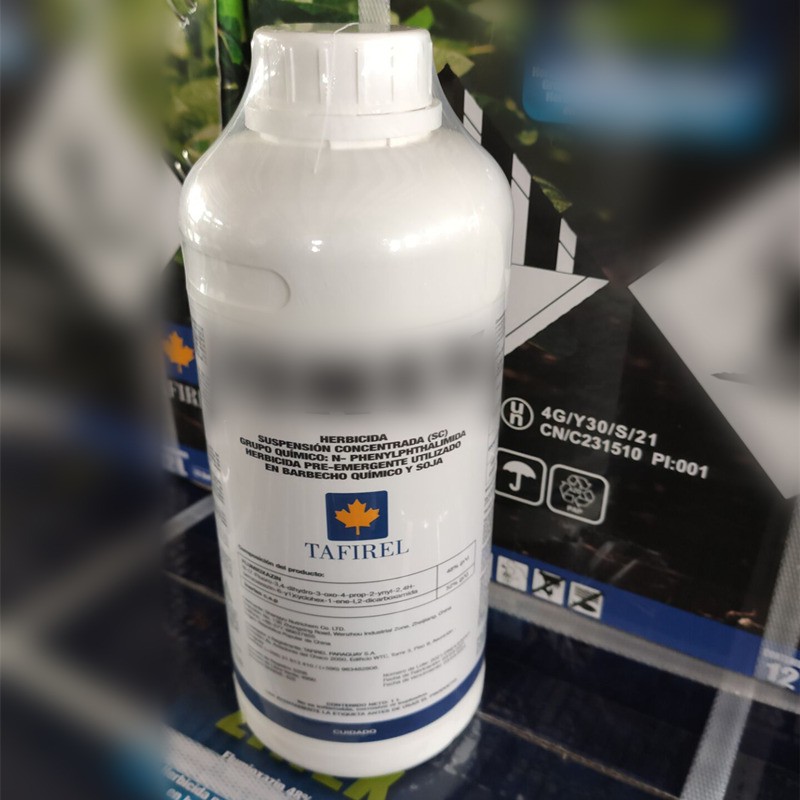
Fluroxypyr is a widely used herbicide in lawn care, known for its effectiveness in controlling a variety of broadleaf weeds. As a supplier of fluroxypyr products, I understand the importance of using this herbicide safely and effectively. In this blog post, I will share some key precautions to keep in mind when using fluroxypyr on lawns.
1. Read and Follow the Label Instructions
The first and most crucial step when using any herbicide, including fluroxypyr, is to carefully read and follow the label instructions. The product label provides detailed information on proper usage, application rates, safety precautions, and environmental considerations. It is designed to ensure that the herbicide is used in a way that maximizes its effectiveness while minimizing potential risks to humans, animals, and the environment.
When reading the label, pay close attention to the following:
- Application Rates: Use the recommended amount of fluroxypyr for your specific lawn type and weed problem. Over - application can lead to damage to the lawn, while under - application may not effectively control the weeds.
- Application Timing: Some weeds are more susceptible to fluroxypyr at certain stages of their growth. The label will indicate the best time to apply the herbicide for optimal results.
- Safety Precautions: This includes information on personal protective equipment (PPE) such as gloves, goggles, and long - sleeved clothing. It also provides instructions on how to handle spills and what to do in case of accidental exposure.
2. Consider the Lawn Type
Not all lawns are created equal, and different grass species may have varying levels of tolerance to fluroxypyr. Before applying the herbicide, identify the type of grass in your lawn. For example, cool - season grasses like Kentucky bluegrass, fescue, and ryegrass generally have a higher tolerance to fluroxypyr compared to warm - season grasses such as Bermuda grass, Zoysia grass, and St. Augustine grass.
If you are unsure about the tolerance of your lawn grass to fluroxypyr, it is advisable to conduct a small test application in an inconspicuous area of the lawn. Observe the area for a few days to a week to see if there are any signs of damage, such as yellowing, browning, or stunted growth. If there are no adverse effects, you can proceed with the full application.
3. Weed Identification
Accurate weed identification is essential for the effective use of fluroxypyr. This herbicide is most effective against broadleaf weeds, such as dandelions, clover, plantain, and chickweed. It has little to no effect on grassy weeds like crabgrass or annual bluegrass.
Before applying fluroxypyr, take the time to identify the weeds in your lawn. You can use a field guide or consult with a local extension service or a professional lawn care provider. By targeting the right weeds, you can ensure that you are using the herbicide efficiently and avoid unnecessary applications.
4. Weather Conditions
Weather conditions play a significant role in the effectiveness and safety of fluroxypyr application. Here are some key weather - related factors to consider:
- Temperature: Fluroxypyr works best when the temperature is between 60°F and 85°F (15°C - 29°C). At temperatures below 60°F, the herbicide may not be as effective, and at temperatures above 85°F, there is an increased risk of volatilization, which can lead to off - target damage.
- Rainfall: Avoid applying fluroxypyr if rain is expected within 24 - 48 hours. Rain can wash the herbicide off the weeds before it has a chance to be absorbed, reducing its effectiveness. On the other hand, if the lawn is too dry, the weeds may not take up the herbicide properly. It is best to water the lawn lightly a day or two before application to ensure that the weeds are actively growing.
- Wind: Wind can cause the herbicide to drift onto non - target areas, such as neighboring gardens, flower beds, or bodies of water. Do not apply fluroxypyr on windy days. A calm day with wind speeds of less than 5 miles per hour is ideal for application.
5. Application Equipment
Using the right application equipment is crucial for an even and accurate application of fluroxypyr. There are several types of equipment available, including handheld sprayers, backpack sprayers, and tractor - mounted sprayers.

- Calibration: Before using the sprayer, calibrate it to ensure that you are applying the correct amount of herbicide. This involves measuring the amount of herbicide and water in the sprayer and adjusting the settings to deliver the recommended application rate.
- Cleaning: After each use, thoroughly clean the sprayer to prevent cross - contamination. Residues of fluroxypyr left in the sprayer can damage other plants if the sprayer is used for other applications.
6. Environmental Considerations
Fluroxypyr can have an impact on the environment, especially if not used properly. Here are some environmental precautions to take:
- Water Bodies: Keep fluroxypyr away from lakes, rivers, streams, and other water bodies. The herbicide can be toxic to fish and other aquatic organisms. Do not apply the herbicide near water sources, and take care to prevent runoff into water bodies.
- Wildlife: Some wildlife, such as bees and other pollinators, can be affected by fluroxypyr. Avoid applying the herbicide when bees are actively foraging. You can also take steps to protect wildlife habitats in your lawn, such as leaving some areas of natural vegetation.
7. Storage and Disposal
Proper storage and disposal of fluroxypyr are essential for safety.
- Storage: Store fluroxypyr in its original container in a cool, dry, and well - ventilated area. Keep it out of reach of children and pets. Do not store the herbicide near food, feed, or other chemicals.
- Disposal: Follow the label instructions for the proper disposal of empty herbicide containers and any leftover herbicide. Do not pour the herbicide down the drain or into the trash. Instead, contact your local waste management facility for guidance on how to dispose of it safely.
Our Fluroxypyr Product
As a fluroxypyr supplier, we offer a high - quality product, Fluroxypyr 140G/L + Aminopyralid 10G/L EC. This formulation combines the effectiveness of fluroxypyr with aminopyralid to provide broad - spectrum control of a wide range of broadleaf weeds. It is suitable for use on various lawn types and has been proven to deliver excellent results when used according to the label instructions.
Contact Us for Procurement
If you are interested in purchasing our fluroxypyr products for your lawn care needs, we encourage you to contact us for a detailed discussion. Our team of experts is ready to assist you in selecting the right product, providing technical support, and answering any questions you may have. Whether you are a professional lawn care provider or a homeowner looking to keep your lawn weed - free, we have the solutions for you.
References
- "Herbicide Handbook" by the Weed Science Society of America.
- Product labels of fluroxypyr products.
- Local extension service publications on lawn care and herbicide use.