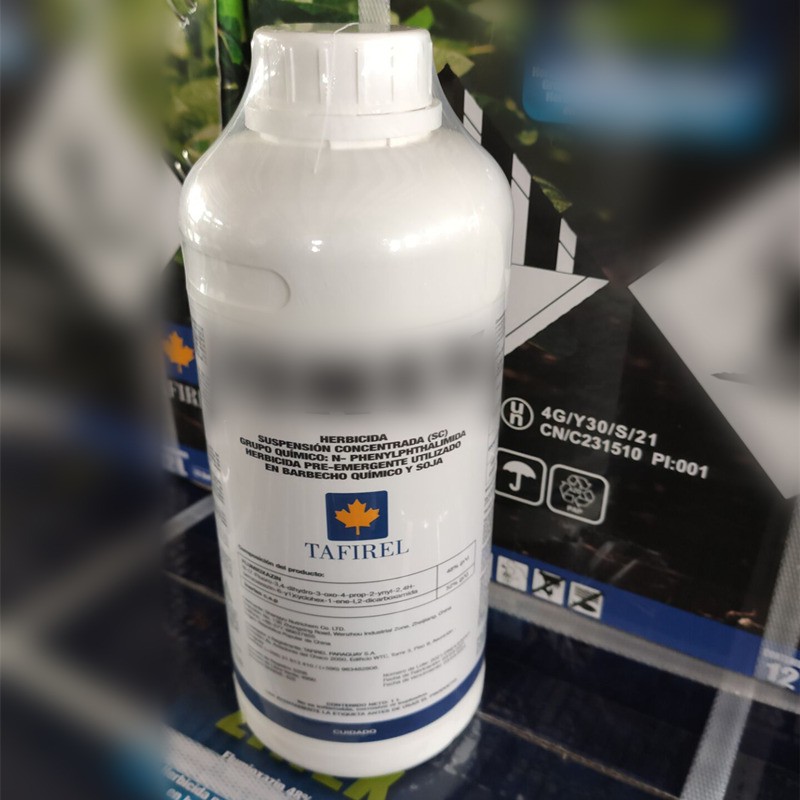
Hey there, turfgrass enthusiasts! As a supplier of oxyfluorfen, I've been getting a lot of questions lately about the application rate of this powerful herbicide in turfgrass management. So, I thought I'd sit down and write a blog post to share some insights and answer your burning questions.
First off, let's talk about what oxyfluorfen is and why it's such a popular choice for turfgrass management. Oxyfluorfen is a pre - and post - emergent herbicide that works by inhibiting the growth of a wide range of broadleaf weeds and grasses. It's known for its long - lasting residual activity, which means it can keep your turfgrass weed - free for an extended period.
Now, onto the big question: what's the right application rate of oxyfluorfen in turfgrass management? Well, the answer isn't as straightforward as you might think, as it depends on several factors.
Factors Affecting Application Rate
Weed Type
Different weeds have different levels of susceptibility to oxyfluorfen. For example, some annual broadleaf weeds may be controlled with a relatively low application rate, while more stubborn perennial weeds might require a higher dose. If you're dealing with a heavy infestation of tough weeds like dandelions or clover, you'll probably need to use a stronger application.
Turfgrass Species
Not all turfgrasses respond the same way to oxyfluorfen. Some species are more tolerant of the herbicide than others. For instance, Bermuda grass is generally more tolerant compared to Kentucky bluegrass. You need to consider the specific turfgrass you're working with to determine the appropriate application rate. Using too high a rate on a sensitive turfgrass species can cause damage, such as yellowing or stunted growth.
Growth Stage of Turfgrass and Weeds
The growth stage of both the turfgrass and the weeds at the time of application is crucial. Applying oxyfluorfen at the right time can significantly improve its effectiveness. For pre - emergent control, it's best to apply the herbicide before the weed seeds germinate. In the case of post - emergent control, the weeds should be in their early growth stages for optimal results. If the turfgrass is newly seeded or in a vulnerable growth stage, you may need to adjust the application rate accordingly.
Environmental Conditions
Environmental factors like temperature, humidity, and soil moisture can also impact the application rate. In hot and dry conditions, the herbicide may break down more quickly, so you might need to use a slightly higher rate. On the other hand, in cool and wet conditions, the herbicide may persist longer in the soil, and a lower rate could be sufficient.
General Application Rate Guidelines
Based on my experience as a supplier and the research I've seen, here are some general application rate guidelines for oxyfluorfen in turfgrass management:
For pre - emergent control of most annual broadleaf weeds in tolerant turfgrass species like Bermuda grass, a rate of 0.5 to 1.0 pounds of active ingredient per acre is often recommended. This can be adjusted depending on the severity of the weed problem.
If you're looking for post - emergent control of small, actively growing broadleaf weeds, a rate of 0.25 to 0.5 pounds of active ingredient per acre can be effective. However, for larger or more established weeds, you may need to increase the rate up to 0.75 pounds per acre.
It's important to note that these are just general guidelines, and you should always follow the label instructions of the specific oxyfluorfen product you're using. The label will provide detailed information on the appropriate application rate based on the product formulation and the target weeds.
Our Oxyfluorfen Product: Oxyfluorfen 240G/L EC
One of the products we offer is Oxyfluorfen 240G/L EC. This formulation is designed to provide excellent weed control in turfgrass. It's easy to mix and apply, and it has a good balance of pre - and post - emergent activity.
When using our Oxyfluorfen 240G/L EC, you can refer to the product label for the exact application rates. The label takes into account all the factors we've discussed earlier and provides clear instructions on how to use the product safely and effectively.

Tips for Application
Here are some tips to ensure you get the most out of your oxyfluorfen application:
- Calibrate Your Equipment: Make sure your sprayer or spreader is properly calibrated. This will ensure that you're applying the correct amount of herbicide per unit area.
- Apply at the Right Time: As mentioned earlier, timing is crucial. Plan your application based on the growth stage of the weeds and the turfgrass.
- Follow Safety Precautions: Wear appropriate protective clothing, such as gloves and goggles, when handling and applying oxyfluorfen. Keep children and pets away from the treated area until the herbicide has dried.
- Monitor the Results: After application, keep an eye on the turfgrass and the weeds. If you don't see the desired results, you may need to adjust the application rate or the timing of future applications.
Conclusion
In conclusion, the application rate of oxyfluorfen in turfgrass management is a complex issue that depends on multiple factors. By considering the weed type, turfgrass species, growth stage, and environmental conditions, you can determine the appropriate application rate for your specific situation.
Our Oxyfluorfen 240G/L EC is a great option for effective weed control in turfgrass. If you have any questions about the product or need help determining the right application rate for your turf, don't hesitate to reach out. We're here to help you keep your turfgrass looking its best.
Whether you're a professional turfgrass manager or a homeowner taking care of your lawn, we can provide you with the guidance and products you need. Contact us today to start a conversation about your turfgrass management needs and to discuss potential purchasing options. We're excited to work with you to achieve a beautiful, weed - free turf.
References
- [List any relevant research papers, industry reports, or product manuals here. For example: "Smith, J. (2020). Weed control in turfgrass: The role of oxyfluorfen. Journal of Turfgrass Science, 15(2), 45 - 52."]