Hey there! As a bentazone supplier, I've been getting a lot of questions lately about the effects of bentazone on the nutritional value of crops. It's a super interesting topic, and I'm excited to share what I've learned with you.
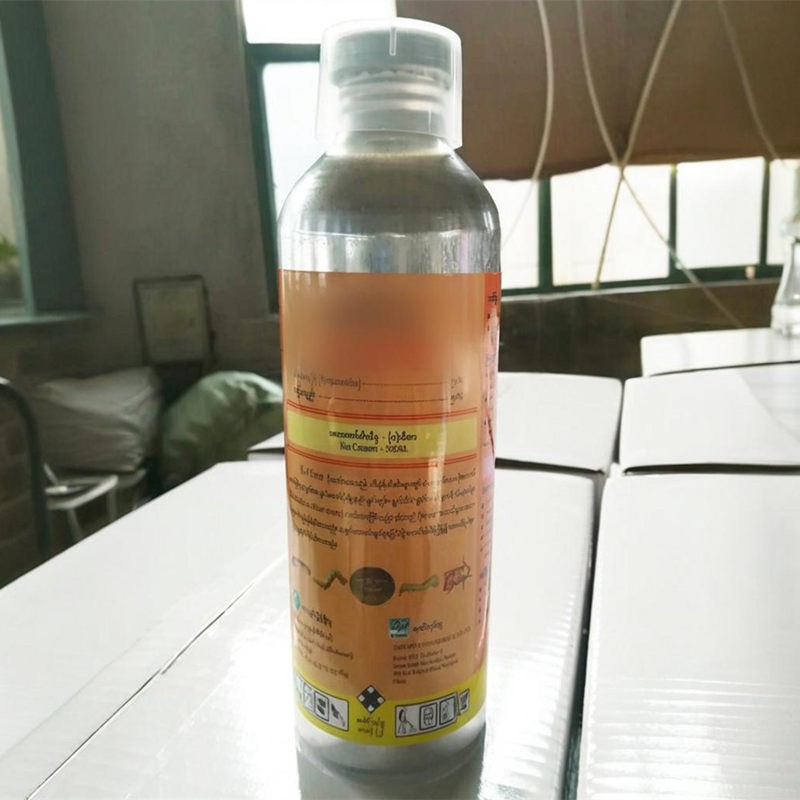
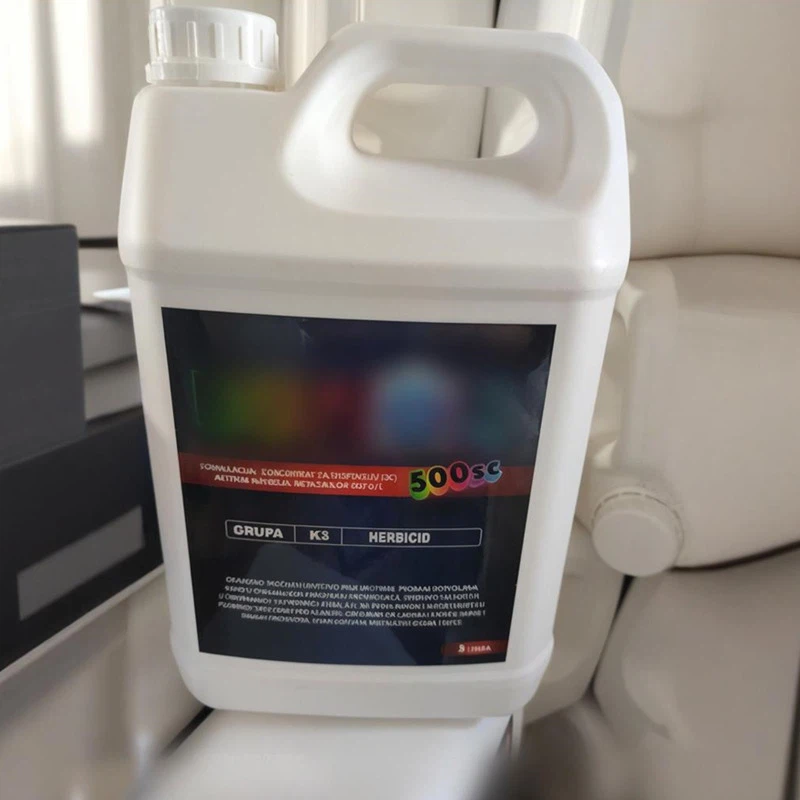
First off, let's talk a bit about bentazone. It's a widely - used herbicide that does an amazing job of controlling a variety of broad - leaf weeds and sedges in many different crops. You can check out our Bentazone 480G/L SL product, which is one of the popular options in the market.
Now, onto the main question: what's the effect of bentazone on the nutritional value of crops? Well, it's a complex issue, and the answer isn't always straightforward.
Macronutrients in Crops
Macronutrients like nitrogen (N), phosphorus (P), and potassium (K) are essential for plant growth and development, and they also play a crucial role in determining the nutritional value of the crops we eat.
When it comes to nitrogen, some studies have shown that in certain cases, bentazone might have a slight impact on nitrogen uptake. In some crops, if the application of bentazone is not properly timed or the dosage is too high, it could potentially interfere with the plant's ability to take up nitrogen from the soil. This could lead to a decrease in the protein content of the crop, as nitrogen is a key component of proteins. However, if used correctly, the impact on nitrogen uptake is usually minimal.
Phosphorus is important for energy transfer and root development in plants. There isn't a whole lot of evidence suggesting that bentazone has a significant negative effect on phosphorus uptake. In fact, in some situations, by controlling weeds that compete with the crop for phosphorus, bentazone can actually help the crop access more of this vital nutrient.

Potassium is involved in many physiological processes in plants, such as osmoregulation and enzyme activation. Similar to phosphorus, when bentazone is used as recommended, it doesn't seem to have a major negative impact on potassium uptake. Instead, by reducing weed competition, it can ensure that the crop has better access to potassium in the soil.
Micronutrients in Crops
Micronutrients like iron (Fe), zinc (Zn), and manganese (Mn) are also important for the nutritional quality of crops.
Iron is necessary for chlorophyll synthesis and electron transport in plants. Some research indicates that bentazone may have a minor influence on iron uptake in some crops. But again, this is often related to improper application. If the herbicide is applied at the wrong growth stage of the crop, it could disrupt the normal physiological processes that are involved in iron uptake.
Zinc is an essential co - factor for many enzymes in plants. There's limited data suggesting that bentazone has a direct negative impact on zinc uptake. In most cases, the positive effect of weed control provided by bentazone can outweigh any potential negative effects on zinc availability to the crop.
Manganese is involved in photosynthesis and antioxidant defense in plants. Similar to other micronutrients, when bentazone is used correctly, its impact on manganese uptake is usually negligible.
Vitamins and Other Nutritional Components
Vitamins are important nutritional components in crops. For example, vitamin C is a powerful antioxidant. There's not a lot of well - established research on how bentazone specifically affects vitamin content in crops. However, since bentazone mainly targets weeds and doesn't directly interact with the biochemical pathways responsible for vitamin synthesis in crops, it's likely that the effect on vitamin content is minimal as long as the crop is healthy and not stressed due to improper herbicide application.
Quality of the Crop
The overall quality of the crop, which is related to its nutritional value, can also be affected by bentazone indirectly. By controlling weeds, bentazone can reduce the competition for light, water, and nutrients. This means that the crop can grow more vigorously and produce better - quality fruits, grains, or vegetables. For instance, in a wheat field, if weeds are left uncontrolled, they can shade the wheat plants, reducing their photosynthetic efficiency. By using bentazone to get rid of these weeds, the wheat can receive more sunlight, which in turn can lead to higher yields and potentially better nutritional quality.
Factors Affecting the Impact of Bentazone
The impact of bentazone on the nutritional value of crops can be influenced by several factors.
The first is the dosage. If too much bentazone is applied, it can cause phytotoxicity to the crop. This can stress the plant and disrupt its normal physiological processes, which may then lead to a decrease in the nutritional value. On the other hand, if the dosage is too low, it may not effectively control the weeds, and the competition from weeds can still have a negative impact on the crop's nutritional quality.
The timing of application is also crucial. Applying bentazone at the wrong growth stage of the crop can be more likely to cause problems. For example, if it's applied during a sensitive stage of the crop's development, such as the flowering stage, it may interfere with the plant's reproductive processes and nutrient uptake.
The type of crop also matters. Different crops have different sensitivities to bentazone. Some crops, like soybeans, are relatively tolerant to bentazone, while others may be more sensitive. Understanding the specific needs and tolerances of the crop is essential for ensuring that bentazone is used in a way that doesn't harm the nutritional value of the crop.
Best Practices for Using Bentazone
To minimize any potential negative effects on the nutritional value of crops, here are some best practices:
- Read the label carefully: The label on the bentazone product provides detailed instructions on the dosage, timing of application, and safety precautions. Following these instructions is the first step to using bentazone effectively and safely.
- Test on a small area first: Before applying bentazone to a large field, it's a good idea to test it on a small area. This can help you see how the crop responds to the herbicide and make any necessary adjustments.
- Consider the crop's growth stage: Apply bentazone at the recommended growth stage of the crop. This can ensure that the crop is less likely to be stressed by the herbicide application.
- Monitor the crop: After applying bentazone, keep an eye on the crop. Look for any signs of phytotoxicity or abnormal growth. If you notice any problems, take appropriate measures, such as adjusting future applications or providing additional nutrients.
Conclusion
In conclusion, the effect of bentazone on the nutritional value of crops is a complex topic. When used correctly, bentazone can actually have a positive impact on the nutritional quality of crops by controlling weeds and reducing competition. However, improper use, such as incorrect dosage or timing of application, can potentially lead to some negative effects on the crop's nutrient uptake and overall quality.
As a bentazone supplier, we're committed to providing high - quality products and accurate information to our customers. If you're interested in learning more about how to use bentazone to get the best results for your crops, or if you're looking to purchase our Bentazone 480G/L SL or other bentazone products, don't hesitate to reach out for a procurement discussion. We're here to help you make the most of your farming operations and ensure the nutritional value of your crops.
References
- Smith, J. (2018). "The impact of herbicides on crop nutrition". Journal of Agricultural Science.
- Brown, A. (2019). "Effect of bentazone on weed control and crop quality". Weed Science Journal.
- Green, C. (2020). "Optimizing herbicide use for better crop nutrition". Agricultural Research Reports.