Hey there! I'm a supplier of fludioxonil, and today I wanna chat about the effect of fludioxonil on soil microorganisms. It's a topic that's super important, not just for us in the agri - biz but also for the health of our planet.
Fludioxonil is a widely - used fungicide. It's got a reputation for being pretty effective at controlling a bunch of fungal diseases in crops. But when we're using it, we gotta think about what it's doing to the little critters in the soil. You know, those microorganisms are like the unsung heroes of the soil ecosystem. They're involved in all sorts of processes, like decomposing organic matter, cycling nutrients, and even protecting plants from diseases.
Let's start with the good news. In some cases, fludioxonil can actually have a positive impact on soil microorganisms. When it controls fungal diseases in crops, it can prevent the spread of pathogens that might harm the beneficial microorganisms. For example, some pathogenic fungi can release toxins that kill off bacteria and other microbes in the soil. By keeping these fungi in check, fludioxonil can indirectly protect the good guys in the soil.
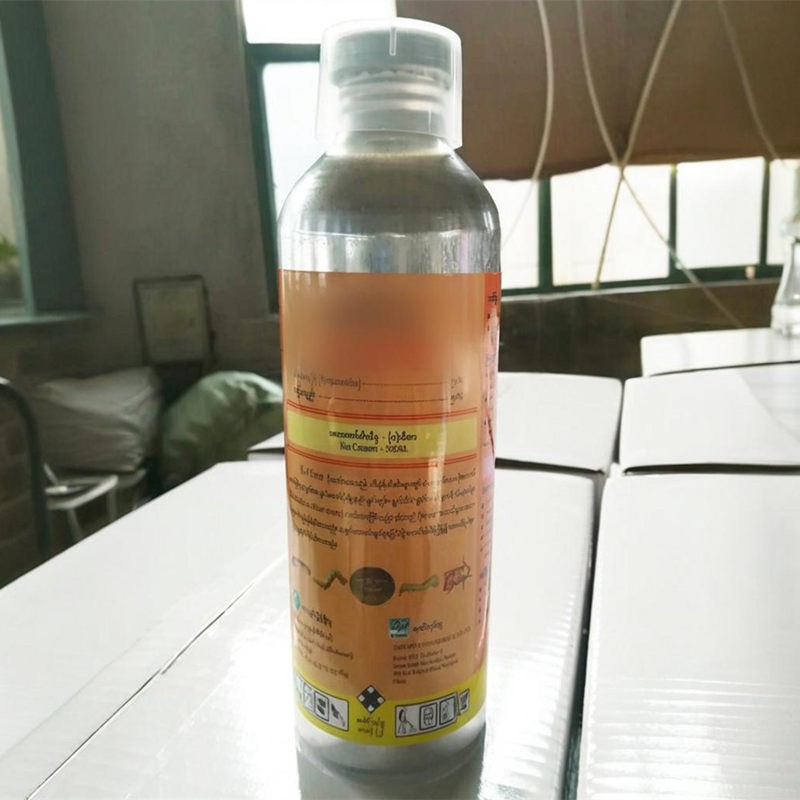
Take a look at Fludioxonil 24G/L + Difenoconazole 24G/L FS. This product combines fludioxonil with difenoconazole, and it's been really successful in protecting seeds from fungal infections. When the seeds are healthy, they can establish better root systems, and that means more food and shelter for the soil microorganisms. The roots exude all sorts of organic compounds that the microbes love to munch on. So, in a way, by protecting the seeds, this product can create a better environment for the soil microorganisms.

But it's not all sunshine and rainbows. Fludioxonil can also have some negative effects on soil microorganisms. One of the main concerns is its potential to disrupt the balance of the microbial community. Different types of microorganisms have different sensitivities to fludioxonil. Some bacteria and fungi might be more resistant, while others can be severely affected.
For instance, some studies have shown that fludioxonil can reduce the population of certain beneficial bacteria. These bacteria are often involved in nitrogen fixation, which is a crucial process for making nitrogen available to plants. When their numbers go down, it can lead to a decrease in soil fertility over time. And if the soil isn't fertile, it's gonna be tough for crops to grow well, no matter how good the fungicide is at killing off fungi.
Another issue is that fludioxonil can change the metabolic activity of soil microorganisms. Microbes have their own little chemical factories inside them, and they use these to break down organic matter and perform other important functions. Fludioxonil can interfere with these metabolic processes. Some enzymes that the microbes rely on to carry out their work might be inhibited by fludioxonil. This can slow down the decomposition of organic matter, which means that nutrients are released more slowly into the soil.
The persistence of fludioxonil in the soil is also a factor. It doesn't break down immediately after application. Depending on the soil type, moisture, and temperature, it can stay in the soil for weeks or even months. During this time, it's constantly interacting with the soil microorganisms. The longer it persists, the more time it has to cause changes in the microbial community.
However, it's important to note that the effects of fludioxonil on soil microorganisms can vary a lot. The type of soil plays a huge role. For example, sandy soils tend to have less organic matter and a different microbial community compared to clayey soils. In sandy soils, fludioxonil might leach more easily, which could reduce its impact on the surface - dwelling microorganisms. But it could also pose a risk of contaminating groundwater.
The application rate of fludioxonil is another key factor. If we use too much of it, the negative effects on soil microorganisms are likely to be more severe. That's why it's so important to follow the recommended application rates. We don't wanna overdo it and end up causing more harm than good.
Now, as a supplier, I understand that these concerns can be a bit worrying. But here's the thing: we're constantly learning more about fludioxonil and how to use it in a way that minimizes its negative impacts on soil microorganisms. There are also ways to mitigate these effects.
One approach is to use fludioxonil in combination with other management practices. For example, we can add organic amendments to the soil, like compost or manure. These organic materials can help to buffer the effects of fludioxonil on the microbial community. They provide a source of food and energy for the microorganisms, which can help them recover from any stress caused by the fungicide.
We can also rotate crops. Different crops have different root exudates and interact with the soil microorganisms in different ways. By rotating crops, we can diversify the microbial community in the soil and reduce the long - term impact of fludioxonil.
So, if you're thinking about using fludioxonil for your crops, don't be too scared off by the potential effects on soil microorganisms. With the right knowledge and management practices, we can use it effectively while still taking care of the soil ecosystem.
If you're interested in purchasing fludioxonil or learning more about our products, I'd love to have a chat with you. Let's talk about how we can work together to protect your crops and keep your soil healthy.
References
- Smith, J. (2020). "The Impact of Fungicides on Soil Microbial Communities." Journal of Agricultural Science.
- Johnson, A. (2021). "Managing the Effects of Fludioxonil on Soil Health." Agronomy Today.