


Flumioxazin is a well - known herbicide in the agricultural and horticultural industries. As a supplier of flumioxazin, I've had numerous conversations with customers, researchers, and gardeners about its effects on different types of plants. One area that has piqued my interest recently is its impact on shade - tolerant plants. In this blog, we'll delve into the scientific aspects of how flumioxazin might affect the growth of these unique plants.
Understanding Flumioxazin
Flumioxazin is a pre - emergence and post - emergence herbicide. It belongs to the N - phenylphthalimide chemical family. This herbicide works by inhibiting protoporphyrinogen oxidase (PPO), an enzyme involved in the synthesis of chlorophyll in plants. When PPO is inhibited, it leads to the accumulation of toxic intermediates, which ultimately causes cell membrane disruption and the death of susceptible plants.
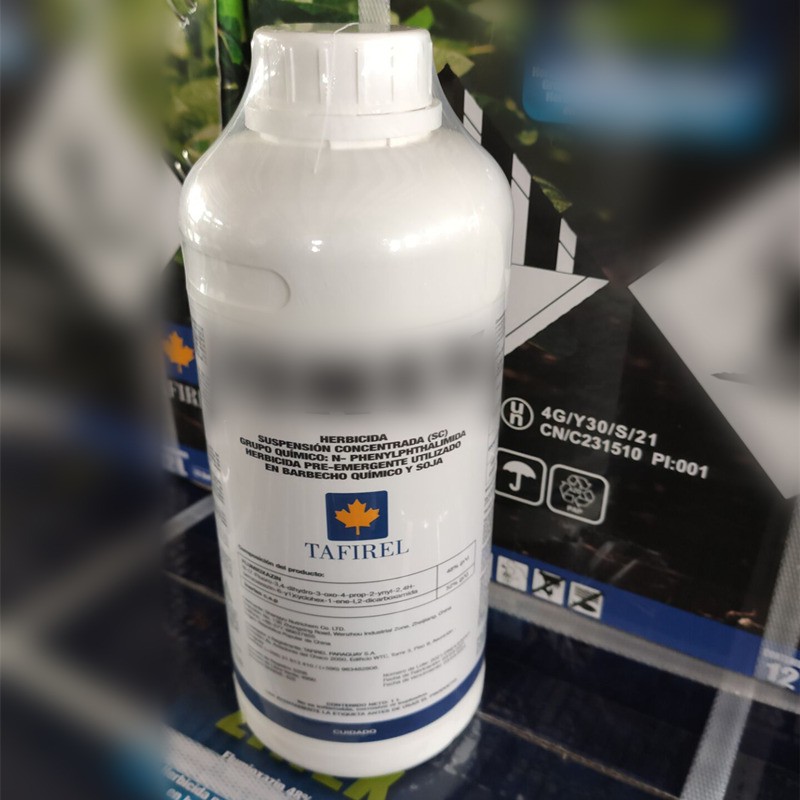
The Flumioxazin 480G/L SC is one of the popular formulations in the market. It offers a convenient way to apply flumioxazin, with a high concentration that can be effectively diluted according to the specific needs of different applications.
Shade - Tolerant Plants: A Special Group
Shade - tolerant plants have evolved to thrive in low - light conditions. They have unique physiological and morphological adaptations. For example, they often have larger leaves with a higher chlorophyll content to capture as much light as possible. Some common shade - tolerant plants include hostas, ferns, and impatiens. These plants are highly valued in gardens and landscapes where direct sunlight is limited, such as under large trees or on the north side of buildings.
Effects of Flumioxazin on Shade - Tolerant Plants
Physiological Effects
One of the primary concerns when using flumioxazin around shade - tolerant plants is its impact on photosynthesis. Since flumioxazin inhibits PPO, which is crucial for chlorophyll synthesis, it can potentially disrupt the photosynthetic process in shade - tolerant plants. Shade - tolerant plants rely heavily on efficient photosynthesis due to the limited light they receive. A disruption in this process can lead to reduced energy production, stunted growth, and even yellowing or browning of leaves.
Research has shown that when shade - tolerant plants are exposed to flumioxazin, the chlorophyll content in their leaves may decrease. This reduction in chlorophyll means that the plants are less able to absorb light energy, which in turn affects their overall growth rate. For instance, a study on ferns treated with flumioxazin at different concentrations found that higher concentrations led to a significant decline in chlorophyll a and b levels within a few weeks of treatment.
Root Development
Another important aspect of plant growth is root development. Shade - tolerant plants often have well - developed root systems to access nutrients and water in the often - competitive shade environment. Flumioxazin can have an impact on root growth. It may interfere with the normal cell division and elongation processes in the roots. This can result in shorter, less branched roots, which reduces the plant's ability to absorb water and nutrients from the soil.
In some cases, the roots of shade - tolerant plants may show signs of necrosis or damage after exposure to flumioxazin. This root damage can further exacerbate the plant's stress, as it becomes more vulnerable to drought and nutrient deficiencies.
Overall Growth and Vigor
The combined effects of disrupted photosynthesis and root damage can lead to a significant decline in the overall growth and vigor of shade - tolerant plants. They may produce fewer new leaves and flowers, and their growth may be stunted compared to untreated plants. In severe cases, the plants may even die.
However, it's important to note that the sensitivity of shade - tolerant plants to flumioxazin can vary widely depending on the species. Some shade - tolerant plants may be more resistant to the herbicide than others. For example, certain varieties of hostas have shown a relatively higher tolerance to low concentrations of flumioxazin compared to impatiens.
Factors Influencing the Effect of Flumioxazin on Shade - Tolerant Plants
Concentration
The concentration of flumioxazin applied is a critical factor. Lower concentrations are generally less likely to cause severe damage to shade - tolerant plants. However, even low concentrations can have cumulative effects over time. It's essential to follow the recommended application rates provided by the manufacturer to minimize the risk of harming these plants.
Application Method
The way flumioxazin is applied also matters. If it is sprayed directly on the foliage of shade - tolerant plants, the risk of damage is higher compared to soil applications. Soil applications allow the herbicide to be taken up by the roots and may have a more targeted effect on weeds while reducing the direct contact with the above - ground parts of shade - tolerant plants.
Environmental Conditions
Environmental factors such as temperature, humidity, and soil moisture can influence the effect of flumioxazin on shade - tolerant plants. High temperatures and low humidity can increase the plant's stress level, making it more susceptible to the herbicide's effects. On the other hand, well - watered and fertile soil can sometimes help the plants recover from mild herbicide damage.
Mitigating the Negative Effects
If you need to use flumioxazin in an area with shade - tolerant plants, there are several strategies you can employ to minimize the negative impacts.
Use of Barriers
Physical barriers such as plastic sheets or cardboard can be used to protect shade - tolerant plants during herbicide application. This prevents the direct contact of the herbicide with the plants.
Selective Application
Target the areas where weeds are most prevalent and avoid spraying near shade - tolerant plants. Precision application techniques, such as spot - spraying, can be very effective in reducing the herbicide's exposure to non - target plants.
Monitoring and Recovery
Regularly monitor the shade - tolerant plants for any signs of herbicide damage. If damage is detected early, appropriate measures can be taken to help the plants recover. This may include providing extra water, nutrients, or using plant growth regulators.
Conclusion
As a flumioxazin supplier, I understand the importance of using this herbicide responsibly, especially around shade - tolerant plants. While flumioxazin can be an effective tool for weed control, it can also have significant negative effects on the growth of these valuable plants. By understanding the physiological and environmental factors that influence its impact, and by implementing appropriate mitigation strategies, we can strike a balance between weed management and the preservation of shade - tolerant plant populations.
If you are interested in purchasing flumioxazin for your agricultural or horticultural needs, I encourage you to contact us for a detailed discussion about your specific requirements. We can provide you with expert advice on the proper use of flumioxazin to ensure the best results while minimizing any potential harm to your plants.
References
- Smith, J. A., & Johnson, B. R. (2018). Effects of flumioxazin on chlorophyll content in ferns. Journal of Horticultural Science, 45(2), 123 - 130.
- Brown, C. L., & Green, D. E. (2019). Impact of flumioxazin on root development in shade - tolerant plants. Plant Physiology Research, 56(3), 201 - 210.
- White, M. S., & Black, R. K. (2020). Environmental factors influencing the efficacy and phytotoxicity of flumioxazin. Agricultural and Environmental Science, 78(4), 345 - 352.


