Hey there! As a clopyralid supplier, I often get asked the question: "Is clopyralid harmful to animals?" It's a valid concern, and one that I'm more than happy to dive into.
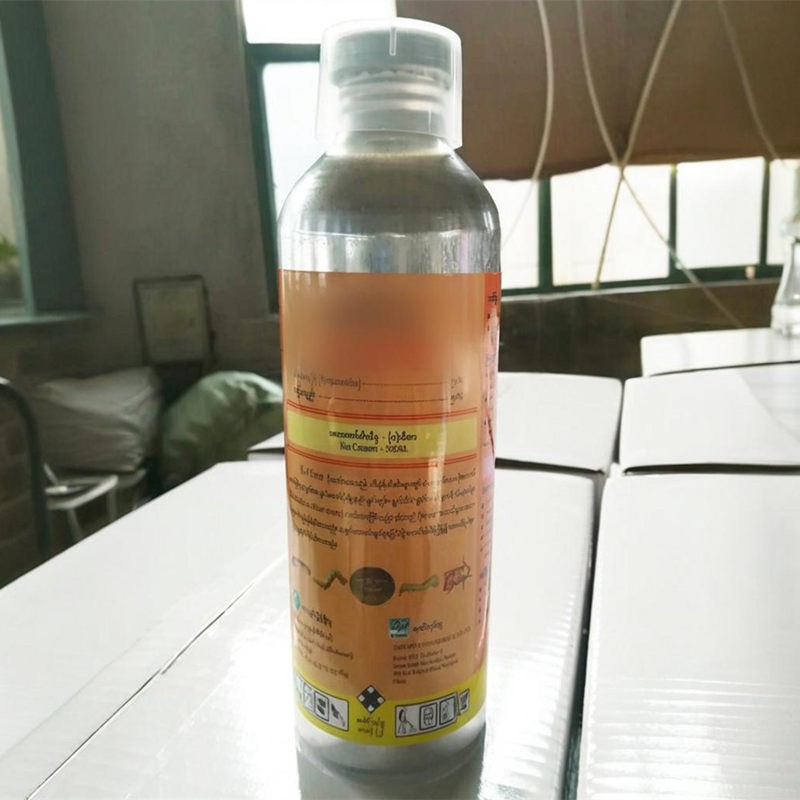
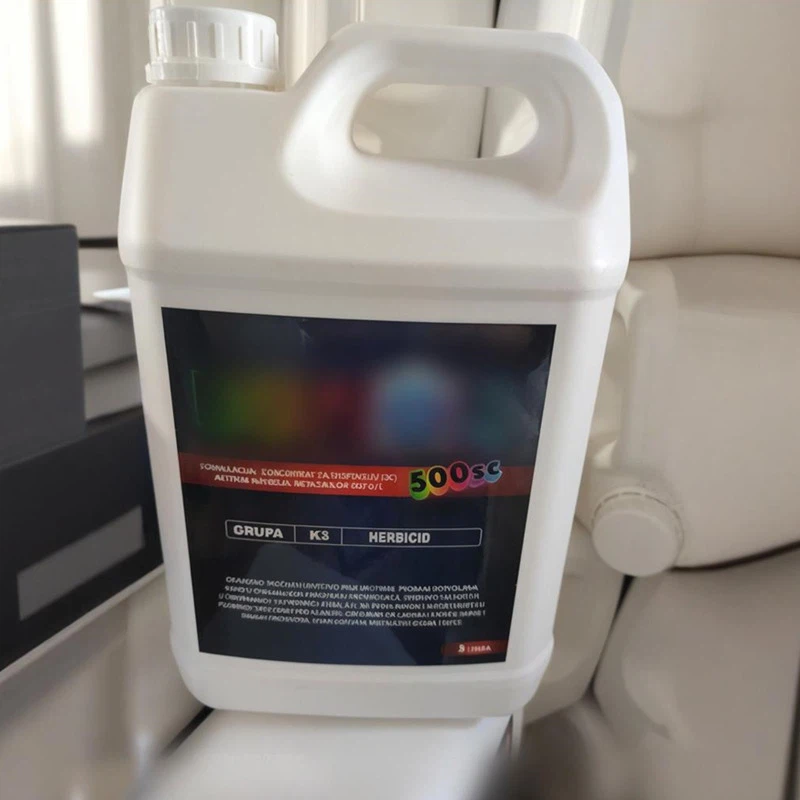
First off, let's talk a bit about what clopyralid is. Clopyralid is a selective herbicide that's widely used in agriculture, forestry, and even in some home gardens. It's great at controlling a variety of broad - leaf weeds, especially those in the Asteraceae, Fabaceae, and Solanaceae families. You can check out our Clopyralid 200G/L SL product, which is a popular option in the market.
Now, when it comes to the impact on animals, the situation is a bit complex.
Acute Toxicity
In terms of acute toxicity, clopyralid generally has a low acute toxicity to most animals. For mammals, the LD50 (the dose that is lethal to 50% of the test population) values for clopyralid are relatively high. For example, in rats, the oral LD50 is typically greater than 2000 mg/kg body weight. This means that a large amount of clopyralid would need to be ingested for it to be immediately life - threatening to a rat.
Dogs and cats are also relatively resistant to the acute effects of clopyralid. In normal circumstances, if they accidentally come into contact with a small amount of a properly - applied clopyralid - based herbicide, they're unlikely to experience severe immediate symptoms. However, if they were to consume a large quantity of the concentrated product, it could potentially cause some issues such as vomiting, diarrhea, and in more severe cases, central nervous system depression.

Chronic Exposure
Chronic exposure is a different story. When animals are exposed to clopyralid over a long period of time, there are some potential concerns.
For livestock, like cows and sheep, there have been reports of issues when they graze on forage that has been treated with clopyralid. Some plants can absorb and accumulate clopyralid, and when livestock eat these plants, it can lead to problems. For example, in some cases, it has been associated with reduced fertility in cows. There have also been reports of digestive problems in sheep, such as changes in rumen function.
Wildlife can also be affected by chronic exposure. Birds that feed on seeds or insects in areas treated with clopyralid may be at risk. There's evidence that some birds' reproductive success can be impacted. For instance, the eggs of some bird species may have thinner shells when the parent birds are exposed to clopyralid, which can lead to a higher rate of egg breakage and lower hatching success.
Aquatic Animals
When it comes to aquatic animals, clopyralid can pose a risk as well. If clopyralid runs off into water bodies, it can affect fish and invertebrates. Fish may experience reduced growth rates and impaired immune function when exposed to clopyralid in the water. Invertebrates, such as water fleas, are also sensitive to clopyralid. Even low concentrations can disrupt their normal behavior and reproduction.
How to Minimize Risks
As a supplier, I understand the importance of using clopyralid in a way that minimizes the risks to animals.
- Proper Application: Make sure to follow the label instructions carefully. Use the correct dosage and application method. This helps ensure that the herbicide is effective in controlling weeds while keeping the amount of clopyralid in the environment to a minimum.
- Buffer Zones: Create buffer zones around water bodies and areas where animals are likely to graze. This can prevent clopyralid from running off into water or being directly consumed by livestock.
- Monitoring: Regularly monitor the areas where clopyralid has been applied. Check for any signs of animal distress or abnormal behavior. If you notice any issues, take appropriate action immediately.
Our Commitment as a Supplier
At our company, we're committed to providing high - quality clopyralid products that are safe when used correctly. We invest in research to better understand the impact of clopyralid on animals and the environment. We also provide detailed information to our customers on how to use our products safely.
If you're in the market for clopyralid, whether it's for agricultural use, forestry management, or home gardening, we're here to help. We can offer advice on the best product for your specific needs and how to use it in a way that's both effective and safe for animals.
So, is clopyralid harmful to animals? The answer isn't a simple yes or no. It depends on a variety of factors, including the type of animal, the level of exposure, and how the product is used. But with proper precautions, the risks can be significantly reduced.
If you have any questions about our clopyralid products or want to learn more about how to use them safely, don't hesitate to reach out. We're always happy to have a chat and discuss your needs. Whether you're a large - scale farmer or a small - time gardener, we can work together to find the best solution for you. So, let's get in touch and start that conversation about your clopyralid requirements.
References
- "The Pesticide Manual: A World Compendium". The British Crop Protection Council.
- Various scientific studies on the effects of clopyralid on animals published in peer - reviewed journals such as "Environmental Toxicology and Chemistry" and "Journal of Agricultural and Food Chemistry".