


Flumioxazin is a well - known herbicide that has been widely used in the agricultural and horticultural sectors. As a flumioxazin supplier, I've had the opportunity to observe and study its various effects on plants. One aspect that has piqued my interest is the impact of flumioxazin on the texture of plant leaves. In this blog, I'll delve into this topic, exploring the scientific basis and practical implications of how flumioxazin affects leaf texture.
Understanding Flumioxazin
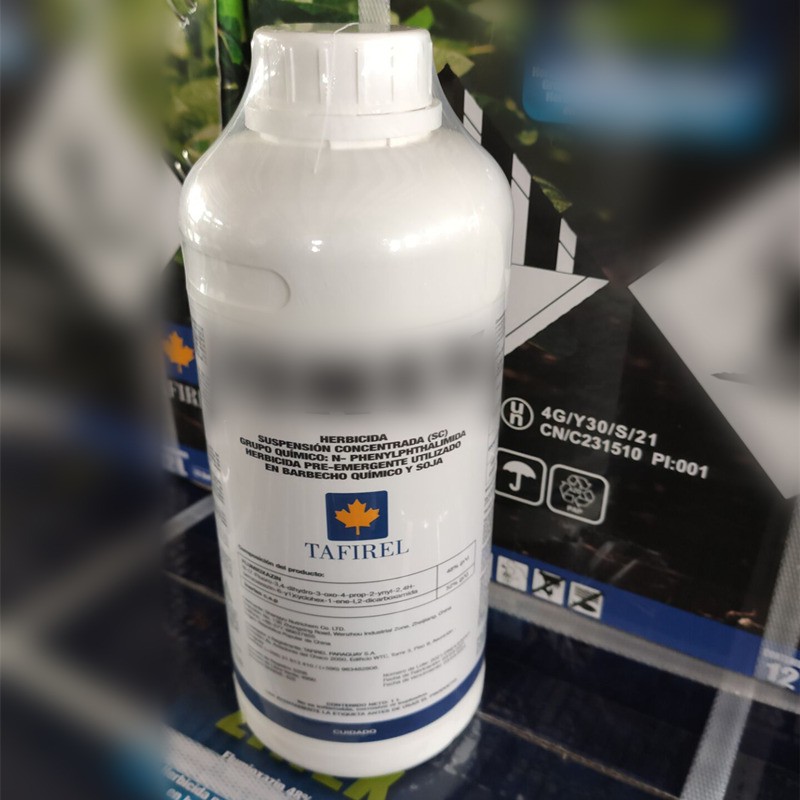
Before we discuss its effect on leaf texture, it's essential to understand what flumioxazin is. Flumioxazin is a pre - emergence and early post - emergence herbicide. It belongs to the N - phenylphthalimide family. Its mode of action involves inhibiting protoporphyrinogen oxidase (PPO), an enzyme crucial in the biosynthesis of chlorophyll and heme. When PPO is inhibited, there is an accumulation of protoporphyrin IX in plant cells. This leads to the formation of reactive oxygen species (ROS), which cause membrane damage and ultimately cell death in susceptible plants.
How Flumioxazin Affects Leaf Texture
Physical Changes
One of the most noticeable effects of flumioxazin on plant leaves is a change in their physical texture. In many cases, leaves exposed to flumioxazin may become brittle. This brittleness can be attributed to the damage caused by ROS. The cell membranes in the leaf tissues are disrupted, leading to a loss of cell integrity. As a result, the leaf loses its flexibility and becomes more prone to breakage.
For example, in field trials with certain weed species, we've observed that after treatment with Flumioxazin 480G/L SC, the leaves of the targeted weeds quickly start to show signs of brittleness. When gently touched, the leaves can easily snap or crumble. This physical change is an important part of the herbicidal effect, as it weakens the plant's overall structure and makes it more susceptible to environmental stressors.
Another physical change is a reduction in leaf turgor. Turgor pressure is what gives leaves their firmness and shape. Flumioxazin - induced cell damage can disrupt the normal water - holding capacity of the cells. As a result, the leaves may wilt and appear limp. This loss of turgor is also reflected in the texture, making the leaves feel softer and less rigid than healthy leaves.
Chemical Changes
Flumioxazin can also cause chemical changes in the leaf tissues that affect texture. The disruption of chlorophyll biosynthesis due to PPO inhibition can lead to a decrease in the production of various secondary metabolites. These metabolites play important roles in maintaining the structural and functional integrity of the leaf.
For instance, some secondary metabolites act as natural defense compounds against pests and diseases. When their production is reduced, the leaf becomes more vulnerable to attacks. Additionally, these metabolites can contribute to the overall toughness and resilience of the leaf. A decrease in their levels can result in a leaf that is more delicate and has a different texture compared to untreated leaves.
Impact on Different Plant Species
The effect of flumioxazin on leaf texture can vary depending on the plant species. Some plants are more sensitive to flumioxazin than others. For example, broad - leaf weeds are generally more susceptible to the herbicidal effects of flumioxazin compared to grasses.
In broad - leaf weeds, the changes in leaf texture are often more pronounced. The brittleness and loss of turgor can be clearly observed within a few days of treatment. On the other hand, grasses may show more subtle changes. They may experience a slight reduction in leaf vigor, but the texture changes are not as dramatic as in broad - leaf plants.
This difference in sensitivity is related to the physiological and biochemical characteristics of different plant species. Broad - leaf plants typically have a higher rate of PPO activity and a different cell structure compared to grasses. As a result, they are more severely affected by the PPO - inhibiting action of flumioxazin.
Practical Implications
The changes in leaf texture caused by flumioxazin have several practical implications for farmers and gardeners.
Weed Control
The brittleness and loss of turgor in weed leaves are beneficial for weed control. Weaker and more brittle leaves are easier to damage mechanically. For example, in tillage operations, the flumioxazin - treated weeds are more likely to be uprooted or cut into smaller pieces, which can further enhance their control.
Moreover, the change in texture can also make the weeds more vulnerable to other herbicides or environmental factors. A weed with damaged leaves is less likely to recover from additional stress, such as drought or cold temperatures. This synergistic effect can improve the overall efficacy of weed control programs.
Crop Safety
When using flumioxazin in crop fields, it's important to consider its potential impact on crop leaf texture. If the application rate is too high or the timing is incorrect, it can cause damage to the crop leaves as well. However, when used properly, flumioxazin can be a safe and effective tool for weed control in many crops.
For example, in some fruit orchards, flumioxazin can be applied as a pre - emergence herbicide to control weeds without causing significant damage to the fruit trees. By carefully following the recommended application guidelines, farmers can ensure that the crop leaves maintain their normal texture and health while effectively controlling weeds.
Conclusion
In conclusion, flumioxazin has a significant effect on the texture of plant leaves. Through its inhibition of PPO and the subsequent generation of ROS, it causes physical and chemical changes in the leaf tissues. These changes result in brittleness, loss of turgor, and alterations in secondary metabolite production. The impact varies depending on the plant species, with broad - leaf weeds being more sensitive than grasses.
Understanding these effects is crucial for both effective weed control and crop safety. As a flumioxazin supplier, I encourage farmers, gardeners, and agricultural professionals to explore the benefits of using Flumioxazin 480G/L SC in their weed management programs. If you're interested in learning more about our flumioxazin products or have any questions regarding its application, please don't hesitate to contact us for a purchase consultation. We're here to provide you with the best solutions for your agricultural needs.
References
- Dayan, F. E., Duke, S. O., & Romagni, J. G. (2012). Protoporphyrinogen oxidase - inhibiting herbicides. Pest Management Science, 68(2), 192 - 208.
- Nandula, V. K., Reddy, K. N., & Devine, M. D. (2008). Flumioxazin dissipation in soil under field conditions. Weed Science, 56(1), 123 - 129.
- Shaner, D. L. (2014). Herbicide Handbook (10th ed.). Weed Science Society of America.


