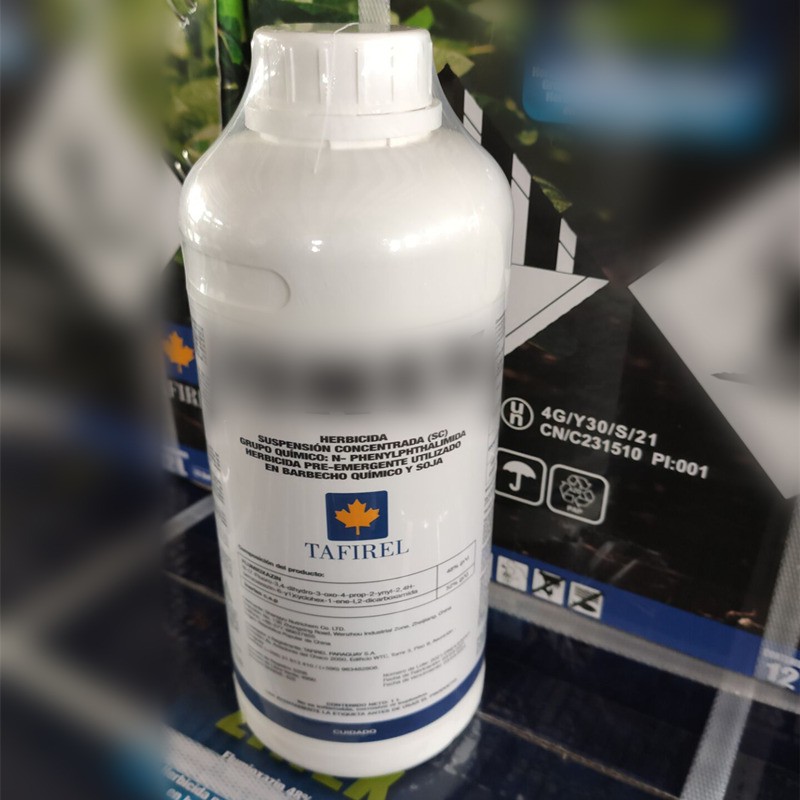
Hey there! As a mesotrione supplier, I've been getting a lot of questions lately about how mesotrione interacts with soil organic matter. So, I thought I'd sit down and write a blog post to share some insights on this topic.
First off, let's talk a bit about mesotrione. It's a popular herbicide that's known for its effectiveness in controlling a wide range of broadleaf and grassy weeds in crops like corn. Mesotrione works by inhibiting an enzyme called 4 - hydroxyphenylpyruvate dioxygenase (HPPD), which is crucial for the synthesis of carotenoids in plants. Without carotenoids, plants can't protect themselves from the harmful effects of light, and they eventually die.
Now, when it comes to soil organic matter, it plays a super important role in the fate and behavior of mesotrione in the soil. Soil organic matter is made up of decomposed plant and animal materials, and it can have a big impact on how mesotrione moves, degrades, and is available to plants.
One of the key ways mesotrione interacts with soil organic matter is through adsorption. Adsorption is the process by which a chemical sticks to the surface of soil particles, including those made up of organic matter. Mesotrione has a certain affinity for soil organic matter, and it can bind to the organic molecules present in the soil. This binding can affect the mobility of mesotrione in the soil.
If mesotrione is strongly adsorbed to soil organic matter, it's less likely to move through the soil profile. This can be a good thing in some cases because it reduces the risk of the herbicide leaching into groundwater. However, it can also mean that the mesotrione may not be as readily available to target weeds. The degree of adsorption depends on several factors, such as the amount of soil organic matter, the pH of the soil, and the properties of the mesotrione itself.
For example, in soils with high organic matter content, mesotrione is likely to be more strongly adsorbed. This is because there are more organic molecules available for the mesotrione to bind to. On the other hand, in soils with low organic matter, mesotrione may be more mobile and can potentially move deeper into the soil.
The pH of the soil also plays a role. Mesotrione exists in different chemical forms depending on the soil pH. At lower pH values, it may be more likely to bind to soil organic matter. This is because the chemical properties of both mesotrione and the organic matter change with pH, affecting their interaction.
Another aspect of the interaction between mesotrione and soil organic matter is degradation. Soil organic matter can influence the rate at which mesotrione breaks down in the soil. Microorganisms in the soil that feed on organic matter can also break down mesotrione as part of their metabolic processes. In soils rich in organic matter, there are usually more microorganisms, which can lead to faster degradation of mesotrione.

This degradation can be both good and bad. On one hand, it means that the herbicide doesn't persist in the soil for a long time, reducing the risk of residual effects on subsequent crops. On the other hand, if the degradation is too fast, the mesotrione may not have enough time to effectively control the weeds.
So, how does all this knowledge about the interaction between mesotrione and soil organic matter matter for farmers and growers? Well, it can help them make more informed decisions about herbicide application. For example, in soils with high organic matter, they may need to adjust the application rate of mesotrione to ensure that enough of the herbicide is available to control the weeds. They may also need to consider the timing of application to account for the potential effects of soil organic matter on degradation.
Now, I'd like to mention one of our great products, Mesotrione 70G/L + Nicosulfuron 40G/L OD. This formulation combines the power of mesotrione with nicosulfuron, providing enhanced weed control. The interaction of mesotrione with soil organic matter in this product is also an important factor to consider, and our research and development team has worked hard to optimize its performance in different soil conditions.
If you're a farmer, grower, or someone involved in the agricultural industry, and you're interested in learning more about mesotrione and its interaction with soil organic matter, or if you're thinking about purchasing our mesotrione products, don't hesitate to reach out. We're here to provide you with the best advice and high - quality products to meet your weed control needs.
In conclusion, the interaction between mesotrione and soil organic matter is a complex but important topic. Understanding how these two interact can help us use mesotrione more effectively and sustainably in agriculture. Whether it's through adsorption affecting mobility or organic matter influencing degradation, every aspect plays a role in the overall performance of mesotrione as a herbicide.
References
- [1] Smith, J. (2018). "The Fate of Herbicides in Soil: A Review." Journal of Agricultural Chemistry, 45(2), 123 - 135.
- [2] Johnson, M. (2020). "Impact of Soil Organic Matter on Herbicide Behavior." Agricultural Science Today, 32(4), 210 - 221.
- [3] Brown, K. (2019). "Mesotrione: Mode of Action and Environmental Fate." Weed Science Journal, 56(3), 189 - 200.