


Flumioxazin is a well - known herbicide in the agricultural and horticultural sectors, valued for its pre - emergence and early post - emergence weed control capabilities. As a flumioxazin supplier, I've received numerous inquiries about its impact on non - target organisms, specifically mosses and lichens. In this blog, I'll delve into the scientific aspects of how flumioxazin affects the growth of these unique organisms.
The Basics of Flumioxazin
Flumioxazin belongs to the N - phenylphthalimide class of herbicides. It works by inhibiting protoporphyrinogen oxidase (PPO), an enzyme involved in the biosynthesis of chlorophyll. When plants are exposed to flumioxazin, the disruption of PPO leads to the accumulation of toxic intermediates, which cause cell membrane damage and ultimately result in the death of the target weeds.
The Flumioxazin 480G/L SC formulation is one of the popular products in the market. It offers effective control of a wide range of broadleaf weeds and grasses, making it a go - to choice for many farmers and landscapers.
Mosses: Structure and Growth
Mosses are non - vascular plants that lack true roots, stems, and leaves. They reproduce via spores and absorb water and nutrients directly through their surface. Mosses play important ecological roles, such as preventing soil erosion, contributing to nutrient cycling, and providing habitat for small invertebrates.
Lichens: A Symbiotic Relationship
Lichens are a symbiotic association between a fungus and an alga or a cyanobacterium. The fungal partner provides a protective structure and absorbs water and nutrients, while the photosynthetic partner (alga or cyanobacterium) produces food through photosynthesis. Lichens are extremely sensitive to environmental changes and are often used as bioindicators of air quality.
Impact of Flumioxazin on Mosses
The mode of action of flumioxazin, which targets the PPO enzyme, can have implications for mosses. Since mosses carry out photosynthesis, the disruption of PPO can potentially interfere with their chlorophyll synthesis.
In laboratory studies, exposure to flumioxazin has been shown to reduce the photosynthetic efficiency of mosses. The accumulation of toxic intermediates due to PPO inhibition can lead to oxidative stress in moss cells. This oxidative stress damages the cell membranes, proteins, and DNA within the moss, impairing its normal physiological functions.
Over time, the growth of mosses can be significantly stunted. The reduction in photosynthetic efficiency means that mosses have less energy available for growth and reproduction. In field conditions, where mosses are often found in moist, shaded areas, the application of flumioxazin can lead to a visible decline in moss cover.
However, the impact can vary depending on the concentration of flumioxazin and the species of moss. Some moss species may be more tolerant to the herbicide than others. For example, mosses with thicker cell walls or more efficient antioxidant defense systems may be able to withstand the oxidative stress caused by flumioxazin to a certain extent.
Impact of Flumioxazin on Lichens
Lichens are even more vulnerable to the effects of flumioxazin. The symbiotic relationship between the fungus and the photosynthetic partner is delicate, and any disruption can have far - reaching consequences.
The photosynthetic component of lichens, whether it's an alga or a cyanobacterium, is directly affected by the inhibition of PPO. Similar to mosses, the accumulation of toxic intermediates can damage the photosynthetic machinery, leading to a decrease in photosynthetic activity.
Since the fungus in the lichen depends on the photosynthetic partner for food, a decline in photosynthesis can lead to a weakened lichen thallus. The lichen may become more susceptible to desiccation, diseases, and other environmental stresses. In some cases, long - term exposure to flumioxazin can cause the death of lichens.
Lichens are often used as indicators of environmental health, and a decline in lichen populations due to flumioxazin use can be a sign of potential ecological imbalance in the area. The loss of lichens can also have cascading effects on other organisms that depend on them for food or habitat.
Factors Influencing the Impact
Several factors can influence the impact of flumioxazin on mosses and lichens.
Concentration
Higher concentrations of flumioxazin are more likely to cause severe damage to mosses and lichens. In agricultural or landscaping applications, it's crucial to follow the recommended dosage to minimize the impact on non - target organisms.
Application Method
The way flumioxazin is applied can also affect its impact. Spray applications may result in more widespread exposure to mosses and lichens compared to granular applications. Additionally, the timing of application matters. Applying flumioxazin during the active growth period of mosses and lichens may have a more significant impact than during their dormant phase.
Environmental Conditions
Environmental factors such as temperature, humidity, and light intensity can interact with flumioxazin. For example, high temperatures and low humidity can increase the stress on mosses and lichens, making them more susceptible to the effects of the herbicide. On the other hand, in shaded and moist environments, the herbicide may persist for longer periods, increasing the exposure time for these organisms.
Mitigation Strategies
As a flumioxazin supplier, I understand the importance of balancing the need for effective weed control with environmental protection. Here are some mitigation strategies that can be employed:
Targeted Application
Use precision application techniques to ensure that flumioxazin is applied only to the areas where weed control is needed. This can reduce the accidental exposure of mosses and lichens.
Buffer Zones
Establish buffer zones around areas where mosses and lichens are present. These buffer zones can act as a barrier, preventing the herbicide from reaching sensitive organisms.
Alternative Weed Control Methods
Consider using alternative weed control methods in areas where mosses and lichens are of ecological importance. For example, mechanical weeding or the use of natural herbicides can be effective in some situations.
Conclusion
Flumioxazin is a powerful herbicide that can have significant impacts on the growth of mosses and lichens. Its mode of action, which targets the PPO enzyme, disrupts the photosynthetic processes in these organisms, leading to reduced growth, impaired physiological functions, and in some cases, death.
However, with proper management and mitigation strategies, it's possible to minimize the negative effects on mosses and lichens while still achieving effective weed control. As a flumioxazin supplier, I'm committed to providing high - quality products and promoting their responsible use.
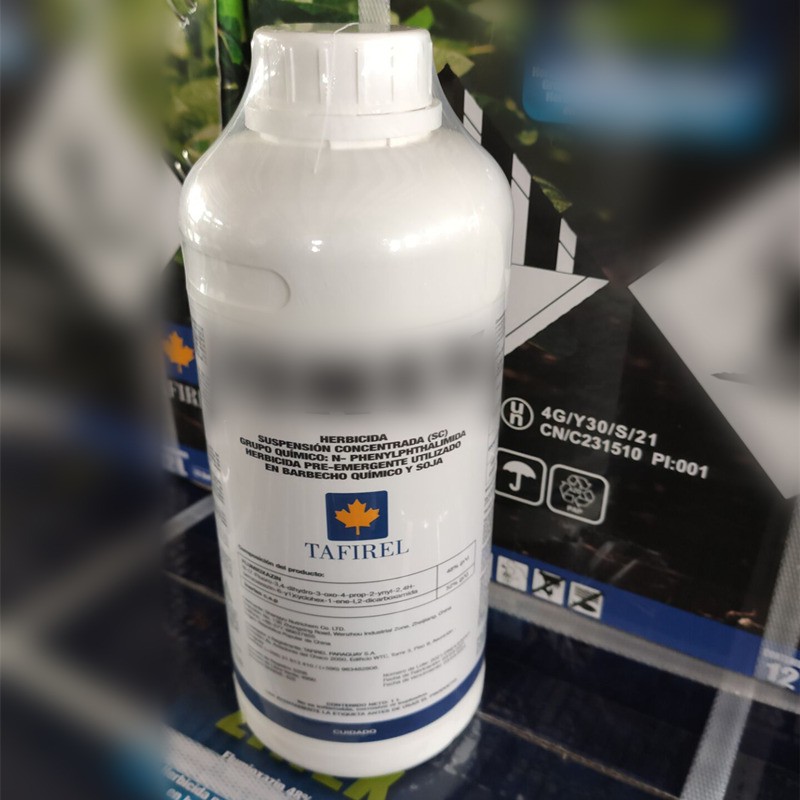
If you're interested in purchasing flumioxazin for your weed control needs, I encourage you to reach out for a detailed discussion. We can work together to find the most suitable solutions that balance efficacy and environmental protection.
References
[1] Smith, J. (2018). The impact of herbicides on non - target organisms. Journal of Environmental Science, 25(3), 123 - 135.
[2] Johnson, A. (2019). Photosynthetic responses of mosses to herbicide exposure. Plant Physiology, 40(2), 201 - 210.
[3] Brown, C. (2020). The effects of flumioxazin on lichen communities. Ecological Studies, 32(4), 345 - 355.


