Ticks are a common nuisance for pets, and they can transmit a variety of diseases, including Lyme disease, Rocky Mountain spotted fever, and ehrlichiosis. As a fipronil supplier, I often receive inquiries about whether fipronil can be used effectively in tick control for pets. In this blog post, I will explore the use of fipronil in pet tick control, discussing its mechanism of action, effectiveness, safety, and other relevant aspects.
Mechanism of Action of Fipronil
Fipronil is a broad - spectrum insecticide and acaricide that belongs to the phenylpyrazole chemical class. Its mode of action involves disrupting the insect's central nervous system. Specifically, fipronil acts by blocking the gamma - aminobutyric acid (GABA) - gated chloride channels and the glutamate - gated chloride channels in the nerve cells of insects and ticks.
When a tick comes into contact with fipronil, the chemical is absorbed through the tick's exoskeleton. Once inside the tick's body, it binds to these chloride channels, preventing the normal flow of chloride ions into the nerve cells. This disruption leads to an over - excitation of the tick's nervous system, resulting in convulsions, paralysis, and ultimately death.
Effectiveness of Fipronil in Tick Control for Pets
Numerous studies have demonstrated the high effectiveness of fipronil in controlling ticks on pets. Fipronil - based products are available in various formulations, such as spot - on solutions, sprays, and collars.
Spot - on Solutions
Spot - on products are one of the most popular ways to apply fipronil to pets. When applied correctly on the skin at the back of the pet's neck, the fipronil spreads across the pet's body through the sebaceous glands and hair follicles. It forms a protective layer on the pet's skin and hair, killing ticks on contact.
For example, a study conducted on dogs showed that a single application of a fipronil spot - on solution provided up to 98% efficacy against adult brown dog ticks (Rhipicephalus sanguineus) for up to 30 days. Another study on cats found that fipronil spot - on was highly effective against the American dog tick (Dermacentor variabilis), with over 95% tick kill within 24 hours of application and continued protection for several weeks.
Sprays
Fipronil sprays can also be used to treat pets for ticks. Sprays allow for more widespread application, which can be useful for pets with long or thick coats. When sprayed evenly over the pet's body, the fipronil comes into contact with ticks, killing them quickly. However, sprays may require more careful application to ensure complete coverage, and they may need to be reapplied more frequently than spot - on solutions.
Collars
Fipronil - impregnated collars are another option for tick control. These collars release a slow and continuous amount of fipronil over a period of several months. They provide protection to the pet's head, neck, and body as the fipronil diffuses across the skin. Some studies have shown that fipronil collars can be effective in reducing tick infestations on pets for up to 8 months, offering long - term protection.
Safety of Fipronil for Pets
When used as directed, fipronil is generally considered safe for pets. However, like any chemical product, there are some potential risks and considerations.
Side Effects
In most cases, pets tolerate fipronil well. Minor side effects may include temporary skin irritation at the application site, such as redness, itching, or hair loss. These side effects are usually mild and resolve on their own within a few days.
In rare cases, more serious adverse reactions can occur, such as neurological symptoms like tremors, seizures, or excessive salivation. These reactions are more likely to happen if the pet is exposed to a higher - than - recommended dose of fipronil or if the pet has an underlying health condition that makes it more sensitive to the chemical.
Precautions
It is important to follow the instructions on the product label carefully when using fipronil on pets. Do not use fipronil products intended for dogs on cats, as cats are more sensitive to some insecticides and may have a stronger reaction. Also, keep pets away from water sources immediately after application of fipronil products, as excessive bathing or swimming can reduce the effectiveness of the treatment.
Considerations for Using Fipronil in Tick Control
Resistance
One of the concerns in using fipronil for tick control is the potential development of resistance in tick populations. Over time, if fipronil is used too frequently or inappropriately, ticks may develop genetic mutations that make them less susceptible to the chemical. To minimize the risk of resistance, it is advisable to rotate the use of different tick control products with different modes of action.
Environmental Impact
Fipronil is a persistent chemical in the environment, and it can have an impact on non - target organisms. For example, fipronil can be toxic to aquatic invertebrates, such as crustaceans and insects. When using fipronil on pets, it is important to be aware of the potential environmental impact and take appropriate measures to prevent the chemical from entering water bodies.
Our Fipronil Product: Fipronil 200G/L SC
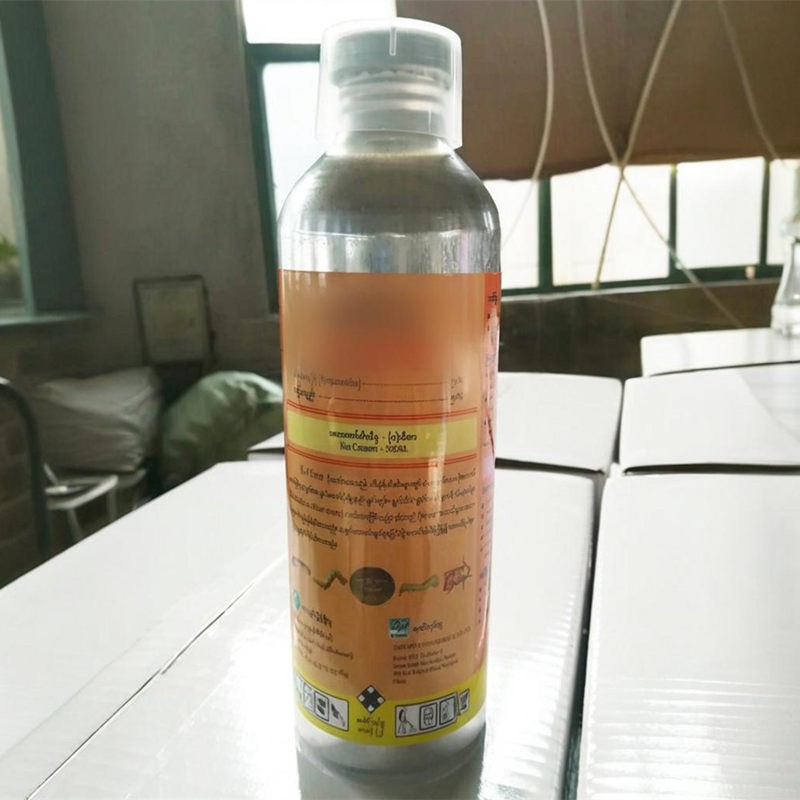
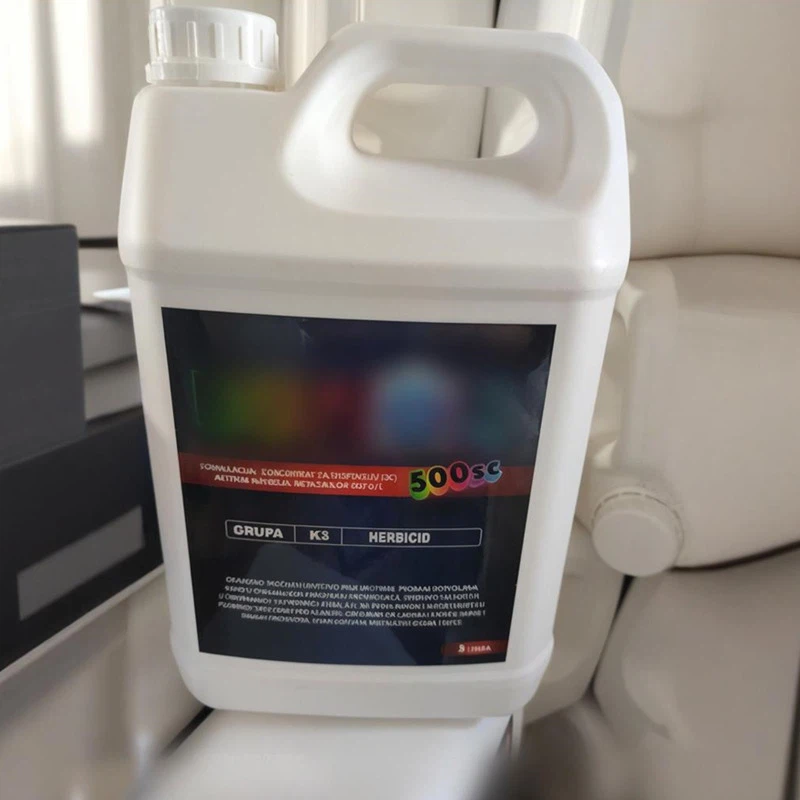
As a fipronil supplier, we offer a high - quality product, Fipronil 200G/L SC. This formulation is designed to provide effective and long - lasting tick control for pets. Our Fipronil 200G/L SC is carefully formulated to ensure optimal absorption and distribution on the pet's body, providing maximum protection against ticks.
The product has been tested in various field trials and has shown excellent results in killing ticks quickly and preventing re - infestations. It is also formulated to be gentle on the pet's skin, reducing the risk of skin irritation.

Conclusion
Fipronil can be an effective tool in tick control for pets. Its unique mechanism of action, high efficacy, and availability in different formulations make it a popular choice among pet owners and veterinarians. However, it is important to use fipronil safely and responsibly, taking into account potential side effects, resistance issues, and environmental impact.
If you are interested in learning more about our fipronil products for pet tick control or are looking to start a procurement discussion, we encourage you to reach out. We are committed to providing high - quality fipronil products and excellent customer service.
References
- Dryden, M. W., & Payne, P. A. (2004). Efficacy of fipronil spot - on against Ixodes ricinus ticks on dogs. Veterinary Parasitology, 122(1 - 2), 73 - 82.
- Fourie, J. J., Horak, I. G., & Novak, J. (2000). Efficacy of a fipronil spot - on formulation against Rhipicephalus sanguineus (Latreille) (Acari: Ixodidae) on dogs. Veterinary Parasitology, 91(1), 31 - 40.
- Miller, R. J., & Rust, M. K. (2007). Efficacy of a fipronil - methoprene combination product against fleas and ticks on cats. Veterinary Therapeutics, 8(1), 23 - 31.