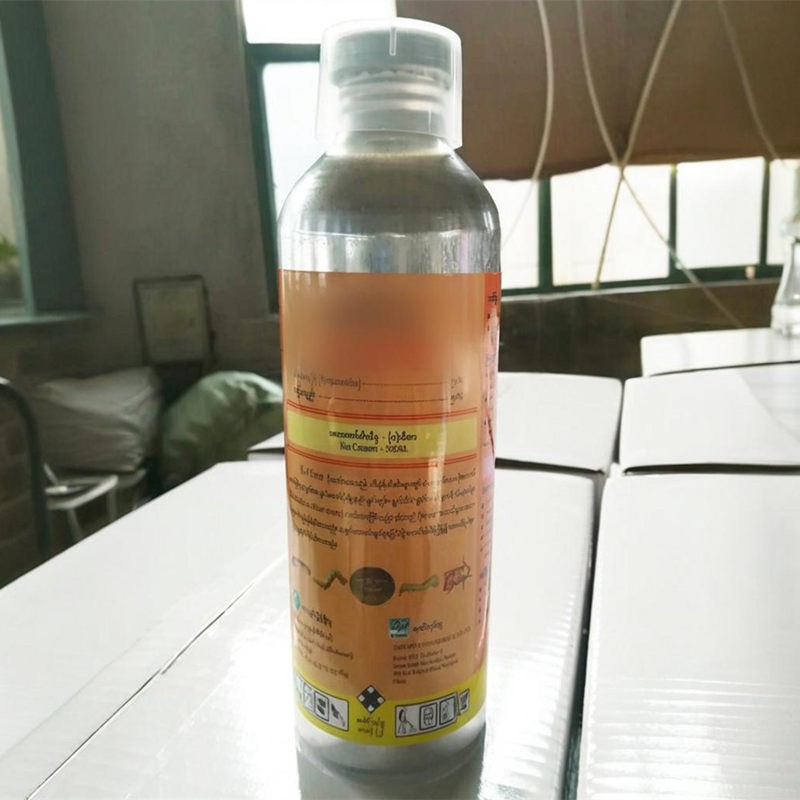
Tebuconazole is a widely used triazole fungicide known for its effectiveness in controlling a broad spectrum of fungal diseases in various crops. As a tebuconazole supplier, I've witnessed its growing demand in the agricultural market. However, with the increasing awareness of environmental and ecological impacts, one question that often arises is: What is the impact of tebuconazole on bee colonies?
The Importance of Bees in Agriculture
Bees play a crucial role in global agriculture. They are responsible for pollinating a significant portion of the world's food crops, contributing to the production of fruits, vegetables, nuts, and oilseeds. Without bees, the agricultural industry would face a severe crisis, as many crops rely on them for fertilization and subsequent fruit and seed production. According to the Food and Agriculture Organization (FAO), about 75% of the world's food crops depend, at least in part, on pollination by animals, with bees being the most important pollinators.
Tebuconazole: A Brief Overview
Tebuconazole is a systemic fungicide that is absorbed by the plant and translocated throughout its tissues. It works by inhibiting the synthesis of ergosterol, a key component of fungal cell membranes, which ultimately leads to the death of the fungus. Due to its broad - spectrum activity, tebuconazole is used on a wide range of crops, including cereals, fruits, vegetables, and ornamental plants. Its effectiveness in controlling diseases such as rusts, powdery mildew, and leaf spots has made it a popular choice among farmers and growers.
Potential Impacts on Bee Colonies
Acute Toxicity
Acute toxicity refers to the immediate harmful effects of a substance on an organism. Studies on the acute toxicity of tebuconazole to bees have shown mixed results. Some research indicates that tebuconazole has relatively low acute toxicity to adult bees. When bees are directly exposed to tebuconazole through contact or ingestion at normal application rates, the mortality rate is often not significantly different from that of untreated bees. However, it's important to note that the acute toxicity can vary depending on factors such as the formulation of the fungicide, the route of exposure, and the age and health of the bees.
Sub - lethal Effects
Sub - lethal effects are non - fatal effects that can still have a significant impact on the behavior, physiology, and overall health of bees. Tebuconazole has been associated with several sub - lethal effects on bee colonies.
Foraging Behavior
Bees rely on their sense of smell and vision to locate flowers and navigate their environment. Tebuconazole exposure can disrupt these sensory abilities, affecting their foraging behavior. Some studies have shown that bees exposed to tebuconazole may have reduced foraging efficiency, taking longer to find food sources and making fewer trips to flowers. This can lead to a decrease in the amount of nectar and pollen collected by the colony, which in turn can affect the growth and development of the brood.
Learning and Memory
Bees have a remarkable ability to learn and remember the location of food sources, as well as the characteristics of different flowers. Tebuconazole can impair the learning and memory abilities of bees. In laboratory experiments, bees exposed to tebuconazole have shown reduced performance in associative learning tasks, such as learning to associate a particular odor with a food reward. This can make it more difficult for bees to adapt to changes in their environment and find food efficiently.
Immune System Function
The immune system of bees is essential for protecting them from diseases and parasites. Tebuconazole exposure can suppress the immune system of bees, making them more susceptible to infections. Studies have shown that bees exposed to tebuconazole have lower levels of immune - related proteins and a reduced ability to fight off pathogens. This can increase the incidence of diseases within the colony, leading to a decline in bee health and population.
Factors Influencing the Impact
The impact of tebuconazole on bee colonies is not solely determined by the presence of the fungicide. Several factors can influence the severity of the effects.
Application Rate and Timing
The amount of tebuconazole applied to crops and the timing of the application are crucial factors. Higher application rates are more likely to cause negative effects on bees. Additionally, if tebuconazole is applied during the flowering period of crops, when bees are actively foraging, the risk of exposure is significantly increased. Farmers and growers should follow the recommended application rates and avoid spraying during peak bee activity to minimize the impact on bee colonies.
Environmental Conditions
Environmental conditions such as temperature, humidity, and rainfall can also affect the impact of tebuconazole on bees. High temperatures and low humidity can increase the volatility of the fungicide, leading to greater exposure of bees to the chemical. Rainfall can wash the fungicide off the plants and into the soil, where it can potentially contaminate water sources and affect bees indirectly.
Interaction with Other Chemicals
Bees are often exposed to multiple chemicals in the environment, including other pesticides, fertilizers, and pollutants. The interaction between tebuconazole and other chemicals can have synergistic or antagonistic effects on bee colonies. For example, the combination of tebuconazole with certain insecticides may increase the toxicity to bees, while the presence of some nutrients may mitigate the negative effects of tebuconazole.
Mitigating the Impact
As a tebuconazole supplier, I understand the importance of minimizing the impact of our products on bee colonies. Here are some strategies that can be implemented:
Integrated Pest Management (IPM)
IPM is an approach that combines multiple pest control methods to reduce the reliance on chemical pesticides. By using cultural, biological, and chemical control methods in a coordinated manner, farmers can effectively manage pests and diseases while minimizing the impact on beneficial insects such as bees. For example, crop rotation, the use of resistant varieties, and the introduction of natural enemies can help reduce the need for fungicide applications.
Safe Application Practices
Farmers and growers should follow safe application practices when using tebuconazole. This includes using the recommended application rates, avoiding spraying during flowering, and using appropriate protective equipment. Additionally, buffer zones can be established around bee colonies to reduce the risk of exposure.
Research and Development
Continued research is needed to better understand the impact of tebuconazole on bee colonies and to develop safer and more effective alternatives. At our company, we are committed to investing in research and development to improve the safety and efficacy of our products.

Our Product: Prothioconazole 200 G/L + Tebuconazole 200G/L FS
We offer a high - quality product, Prothioconazole 200 G/L + Tebuconazole 200G/L FS, which combines the benefits of prothioconazole and tebuconazole. This formulation provides excellent control of a wide range of fungal diseases while being designed with environmental safety in mind. Our team of experts has conducted extensive research to ensure that the product meets the highest standards of quality and safety.
Contact Us for Procurement
If you are interested in purchasing tebuconazole or our Prothioconazole 200 G/L + Tebuconazole 200G/L FS product, we encourage you to contact us for procurement and further discussion. We are dedicated to providing you with the best products and services to meet your agricultural needs.
References
- Food and Agriculture Organization (FAO). (Year). The Importance of Pollinators in Agriculture.
- Studies on the Acute Toxicity of Tebuconazole to Bees. (Journal Name, Volume, Pages, Year).
- Research on Sub - lethal Effects of Tebuconazole on Bee Behavior and Physiology. (Journal Name, Volume, Pages, Year).
- Impact of Environmental Factors on the Toxicity of Tebuconazole to Bees. (Journal Name, Volume, Pages, Year).