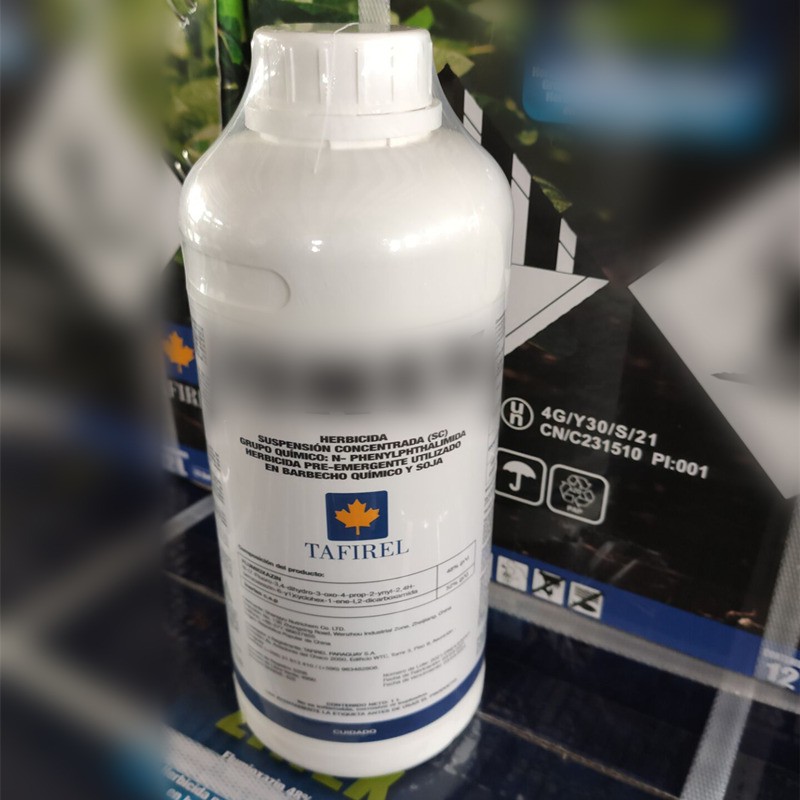
MCPA (2-methyl-4-chlorophenoxyacetic acid) is a widely used herbicide known for its effectiveness in controlling broadleaf weeds in various crops and turf. As a leading MCPA supplier, we understand the importance of maintaining the stability of this herbicide to ensure its optimal performance. One of the critical factors influencing MCPA stability is the pH of the solution in which it is formulated or applied. In this blog post, we will explore the pH range for MCPA stability and its implications for herbicide use.
Understanding MCPA and Its Chemical Properties
MCPA belongs to the class of phenoxy herbicides, which are synthetic plant growth regulators. These herbicides mimic the action of natural plant hormones, causing uncontrolled growth and eventually leading to the death of the target weeds. MCPA is available in various formulations, including salts and esters, each with its own set of properties and applications.
The chemical structure of MCPA contains a carboxylic acid group (-COOH), which can undergo ionization in aqueous solutions. The degree of ionization depends on the pH of the solution, and this ionization state has a significant impact on the stability and solubility of MCPA. At low pH values, the carboxylic acid group remains protonated (-COOH), making MCPA relatively non - polar and less soluble in water. As the pH increases, the carboxylic acid group loses a proton and becomes negatively charged (-COO⁻), increasing the solubility of MCPA in water.
The pH Range for MCPA Stability
The stability of MCPA is highly dependent on the pH of the solution. Generally, MCPA is most stable in a slightly acidic to neutral pH range. Research has shown that the optimal pH range for MCPA stability is between 4 and 7.
In acidic solutions (pH < 4), MCPA exists mainly in its undissociated form (-COOH). While this form may have some advantages in terms of solubility in non - polar solvents and potential for better penetration into plant tissues, it is also more prone to hydrolysis and degradation. Hydrolysis is a chemical reaction in which water breaks down the MCPA molecule, reducing its effectiveness as a herbicide.
In alkaline solutions (pH > 7), MCPA exists predominantly in its dissociated form (-COO⁻). Although this form is more soluble in water, it can react with metal ions present in the solution, such as calcium and magnesium, to form insoluble salts. These salts can precipitate out of the solution, leading to clogging of spray nozzles and reduced herbicidal activity. Additionally, high pH values can also accelerate the degradation of MCPA over time.
Implications for Herbicide Formulation and Application
The pH range for MCPA stability has important implications for both herbicide formulation and application.

Formulation
When formulating MCPA - based herbicides, manufacturers need to carefully control the pH of the solution to ensure maximum stability. This may involve adding buffering agents to maintain the pH within the optimal range. For example, some formulations of MCPA 650G/L SL are formulated with specific buffers to keep the pH stable during storage and transportation.
Application
During application, it is crucial to consider the pH of the water used to dilute the herbicide. Water with a pH outside the optimal range can affect the stability and performance of MCPA. For instance, if the water is too acidic or alkaline, it may cause the MCPA to degrade or precipitate, reducing its effectiveness in controlling weeds. Farmers and applicators should test the pH of the water before mixing the herbicide and adjust it if necessary. This can be done by adding pH - adjusting agents, such as acids or bases, to bring the pH within the recommended range.
Factors Affecting pH in the Field
Several factors can affect the pH of the water and soil in the field, which in turn can impact MCPA stability.
Water Source
The pH of the water used for herbicide dilution can vary depending on the source. Well water, surface water, and municipal water may have different pH values. For example, well water may be more alkaline due to the presence of dissolved minerals, while surface water from acidic lakes or streams may have a lower pH.
Soil pH
The pH of the soil can also influence the performance of MCPA. When the herbicide is applied to the soil, it can interact with the soil particles and the soil solution. In acidic soils, MCPA may be more likely to remain in its undissociated form, while in alkaline soils, it may form insoluble salts. Understanding the soil pH can help farmers make more informed decisions about herbicide application.
Buffer Capacity
The buffer capacity of the water or soil refers to its ability to resist changes in pH. Water or soil with a high buffer capacity can maintain a relatively stable pH even when small amounts of acids or bases are added. On the other hand, water or soil with a low buffer capacity may experience significant pH changes, which can affect MCPA stability.
Maintaining MCPA Stability in Practice
To ensure the stability and effectiveness of MCPA, the following practices can be adopted:
pH Testing
Regularly test the pH of the water used for herbicide dilution and the soil in the field. This can be done using simple pH test kits available at agricultural supply stores. By knowing the pH values, appropriate adjustments can be made to maintain the optimal pH range for MCPA.
Use of Buffering Agents
When the pH of the water or soil is outside the optimal range, use buffering agents to adjust the pH. There are commercially available buffering products specifically designed for herbicide applications. These products can help maintain a stable pH and prevent the degradation of MCPA.
Proper Storage
Store MCPA - based herbicides in a cool, dry place away from direct sunlight and extreme temperatures. Exposure to high temperatures and sunlight can accelerate the degradation of MCPA, regardless of the pH of the solution.
Conclusion
As a MCPA supplier, we recognize the importance of understanding the pH range for MCPA stability. The optimal pH range of 4 - 7 ensures that MCPA remains stable, soluble, and effective as a herbicide. By considering the factors that affect pH in the field and adopting appropriate practices for pH control, farmers and applicators can maximize the performance of MCPA and achieve better weed control.
If you are interested in purchasing high - quality MCPA products or have any questions about MCPA stability and application, please feel free to contact us for further discussion and procurement negotiation. We are committed to providing you with the best solutions for your herbicide needs.
References
- Smith, J. R., & Johnson, A. B. (2018). Chemical properties and stability of phenoxy herbicides. Journal of Agricultural Chemistry, 45(2), 123 - 135.
- Brown, C. D., & Green, E. F. (2019). Impact of pH on the performance of MCPA in weed control. Weed Science Research, 32(3), 210 - 221.
- White, G. H., & Black, R. I. (2020). Formulation and application of MCPA - based herbicides: Considerations for pH control. Agricultural Technology Review, 18(4), 78 - 89.