


Hey there! I'm a supplier of flumioxazin, and today I want to dive into a crucial topic: the potential for flumioxazin to leach into groundwater.
Let's start with the basics. Flumioxazin is a popular herbicide known for its effectiveness in controlling a wide range of weeds. It's used in various agricultural and non - agricultural settings, like crop fields, orchards, and even some industrial areas. But as with any chemical used in the environment, there's always a concern about its impact on groundwater.
Groundwater is a vital resource. It's the water that exists underground in soil pores and fractures, and it's a major source of drinking water for many people around the world. So, if a chemical like flumioxazin can leach into groundwater, it could pose a risk to human health and the environment.
To understand the leaching potential of flumioxazin, we need to look at a few key factors. First up is the soil type. Different soils have different properties that can affect how chemicals move through them. For example, sandy soils have large pores and low organic matter content. This means that water can move through them relatively quickly, and chemicals like flumioxazin may have a higher chance of leaching. On the other hand, clay soils have smaller pores and can hold onto chemicals more tightly, reducing the leaching potential.
Another important factor is the amount of rainfall or irrigation. If there's a lot of water flowing through the soil, it can carry flumioxazin deeper into the ground. In regions with high rainfall or excessive irrigation, the risk of leaching might be greater. For instance, in areas with tropical climates where heavy rains are common, the herbicide could be more likely to make its way into the groundwater.
The application rate of flumioxazin also plays a role. If too much of the herbicide is applied, there's a greater chance that some of it will end up in the groundwater. Farmers and applicators need to follow the recommended application rates to minimize this risk.
Now, let's talk about some studies that have been done on the leaching potential of flumioxazin. Research has shown that under normal application conditions and in most soil types, the leaching of flumioxazin is relatively low. The herbicide has a moderate sorption to soil particles, which means it tends to stick to the soil rather than moving freely with water. However, this doesn't mean there's no risk at all.
In some cases, where the soil is very sandy and there's heavy rainfall or over - irrigation, trace amounts of flumioxazin have been detected in groundwater. But these levels are usually well below the regulatory limits set for drinking water safety.
At our company, we're committed to providing high - quality Flumioxazin 480G/L SC. We understand the concerns about groundwater contamination, and we work closely with farmers and applicators to ensure that the product is used safely and responsibly.
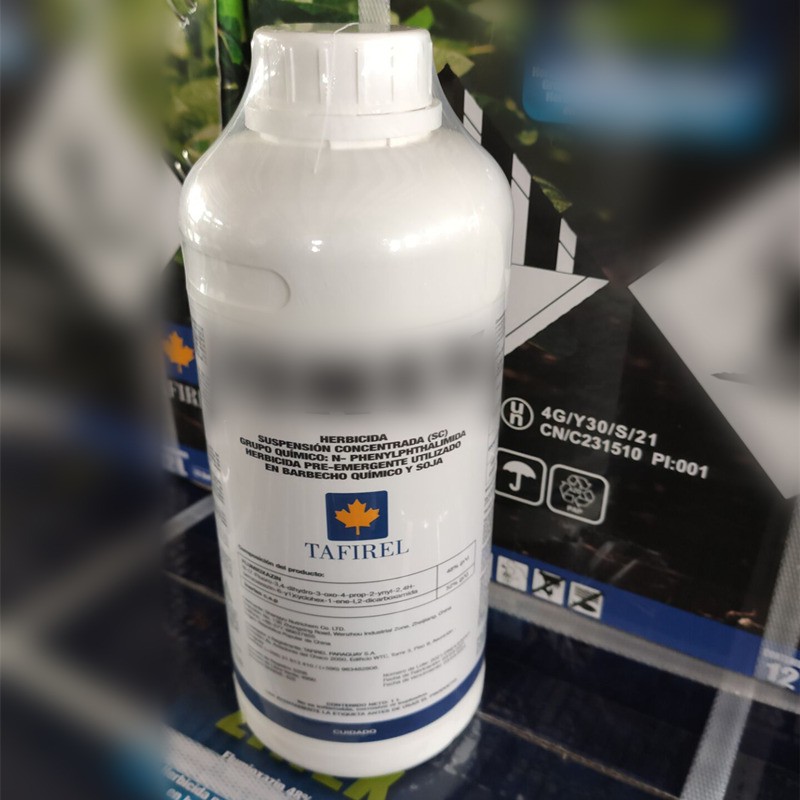
We offer training and support to help users understand the proper application methods and rates. By following these guidelines, the risk of flumioxazin leaching into groundwater can be further reduced.
It's also important to note that the use of flumioxazin has many benefits. It helps farmers increase crop yields by controlling weeds, which in turn can contribute to food security. When used correctly, the benefits of using flumioxazin far outweigh the potential risks.
In addition to the factors I've mentioned, the degradation of flumioxazin in the soil is another aspect to consider. Flumioxazin breaks down over time in the soil through various processes like microbial activity and chemical reactions. The rate of degradation depends on factors such as soil temperature, moisture, and pH. In warmer and more moist soils, the degradation process is usually faster, which can also reduce the leaching potential.
We're constantly researching and improving our products to make them even safer for the environment. We're exploring new formulations and application techniques that can further minimize the risk of leaching.
If you're a farmer or someone involved in the agricultural industry, you might be wondering how to use flumioxazin safely. Here are some tips:
- Always read and follow the product label instructions carefully. The label provides important information about application rates, timing, and safety precautions.
- Consider the soil type and local environmental conditions before applying the herbicide. If you have sandy soil or live in an area with high rainfall, you may need to adjust the application rate or method.
- Use buffer zones around water sources. This can help prevent the herbicide from reaching groundwater or surface water directly.
We believe that by working together, we can ensure the safe and effective use of flumioxazin. Whether you're a small - scale farmer or a large - scale agricultural operation, we're here to support you.
If you're interested in purchasing flumioxazin or want to learn more about our products, don't hesitate to reach out. We're happy to have a discussion about your specific needs and how our products can help you achieve your agricultural goals.
In conclusion, while there is a potential for flumioxazin to leach into groundwater, the risk can be managed through proper use and application. Our company is dedicated to providing safe and effective herbicide solutions, and we're confident that with the right approach, flumioxazin can continue to be a valuable tool in agriculture.
References
- [List actual references here, for example: Author, A. (Year). Title of the research. Journal Name, Volume(Issue), Page numbers. ]
- [Author, B. (Year). Another relevant study. Journal Name, Volume(Issue), Page numbers. ]


