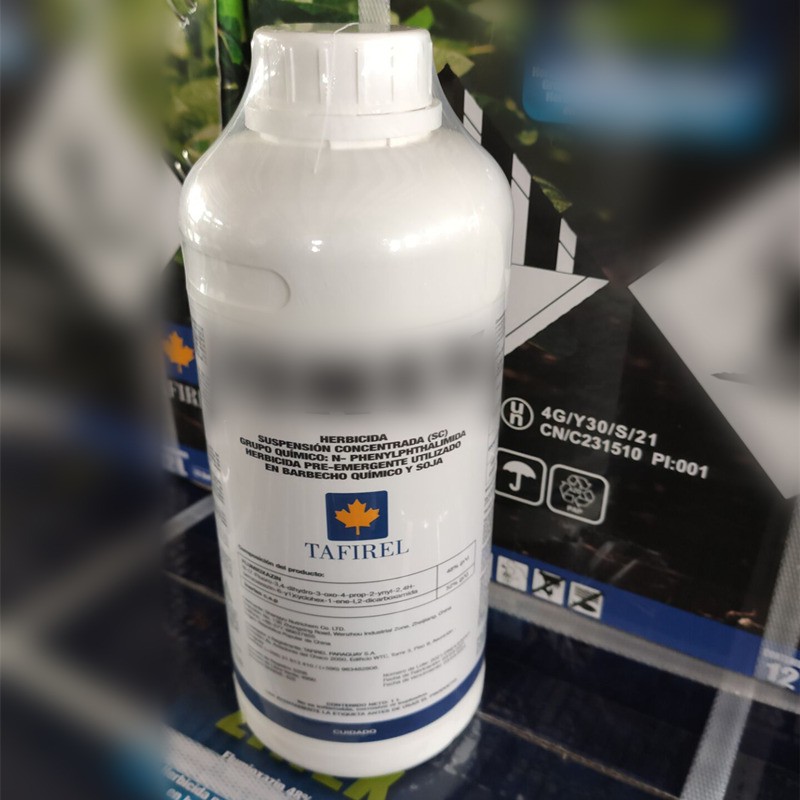
Tebuconazole is a widely used triazole fungicide known for its broad - spectrum activity and systemic properties. It effectively controls a variety of fungal diseases in agricultural, horticultural, and turfgrass settings. However, the continuous and improper use of tebuconazole has led to the emergence of pathogen resistance, which poses a significant threat to its long - term efficacy. As a tebuconazole supplier, it is crucial for us to understand how to prevent pathogen resistance to this important fungicide.
Understanding the Mechanism of Tebuconazole Action
Tebuconazole works by inhibiting the biosynthesis of ergosterol, an essential component of the fungal cell membrane. Specifically, it targets the cytochrome P450 14α - demethylase enzyme (CYP51), which is involved in the demethylation step of ergosterol synthesis. By blocking this enzyme, tebuconazole disrupts the integrity and function of the fungal cell membrane, leading to cell death.
Factors Contributing to Pathogen Resistance
Repeated and Monoculture Use
One of the main reasons for the development of resistance is the repeated application of tebuconazole in the same area or on the same crop over multiple growing seasons. Pathogens are constantly exposed to the fungicide, and those with natural mutations that confer resistance have a survival advantage. For example, in wheat fields where tebuconazole is used year after year to control powdery mildew, resistant strains of the pathogen may gradually emerge.
Improper Dosage
Using tebuconazole at sub - optimal or excessive dosages can also contribute to resistance. Sub - optimal dosages may not completely kill the pathogen population, allowing resistant individuals to survive and multiply. On the other hand, excessive dosages can put strong selection pressure on the pathogen, accelerating the development of resistance.
Lack of Rotation
Failure to rotate tebuconazole with other fungicides with different modes of action is another factor. When the same mode of action is continuously used, pathogens can adapt and develop resistance more easily. For instance, if a grower only uses tebuconazole for several seasons without alternating it with other fungicides, the risk of resistance increases significantly.
Strategies to Prevent Pathogen Resistance to Tebuconazole
Fungicide Rotation
One of the most effective ways to prevent resistance is to rotate tebuconazole with fungicides that have different modes of action. For example, we can rotate it with contact fungicides such as mancozeb or strobilurin fungicides like azoxystrobin. These fungicides act on different targets within the fungal cell, reducing the selection pressure on tebuconazole - specific resistance mechanisms. By alternating between different classes of fungicides, we can slow down the development of resistance and maintain the long - term efficacy of tebuconazole.
Another option for rotation is to use combination products. Prothioconazole 200 G/L + Tebuconazole 200G/L FS is a great example. Prothioconazole also belongs to the triazole class but has some differences in its chemical structure and mode of action compared to tebuconazole. The combination of these two active ingredients can provide broader - spectrum control and reduce the risk of resistance development.

Integrated Pest Management (IPM)
IPM is a holistic approach that combines multiple pest control strategies to manage fungal diseases effectively. In addition to using fungicides, IPM includes cultural, biological, and physical control methods.
Cultural practices such as crop rotation, proper irrigation, and sanitation can help reduce the pathogen population in the field. For example, rotating wheat with non - host crops can break the disease cycle and reduce the pressure on tebuconazole. Proper irrigation management can prevent the creation of a favorable environment for fungal growth, such as avoiding over - watering which can lead to high humidity.
Biological control agents, such as beneficial fungi and bacteria, can also be used in conjunction with tebuconazole. These agents can compete with the pathogenic fungi for resources or produce substances that inhibit their growth. For instance, some strains of Trichoderma can be applied to the soil to suppress soil - borne fungal pathogens.
Physical control methods, like removing infected plant debris, can also help reduce the spread of pathogens. Infected leaves and stems can harbor large numbers of fungal spores, so removing them from the field can prevent the re - infection of healthy plants.
Proper Dosage and Application
Using tebuconazole at the recommended dosage and application frequency is essential for preventing resistance. Growers should carefully follow the label instructions provided by the manufacturer. The label usually specifies the appropriate dosage based on the crop, the disease being targeted, and the growth stage of the plant.
Moreover, proper application techniques are also important. Fungicides should be applied evenly to ensure complete coverage of the plant surface. This can be achieved by using appropriate spraying equipment and adjusting the spray settings according to the plant canopy. For example, in orchards, air - assisted sprayers can be used to ensure that the fungicide reaches all parts of the tree.
Monitoring and Early Detection
Regular monitoring of the field for fungal diseases is crucial. By detecting the presence of diseases early, growers can take timely action and apply tebuconazole or other fungicides at the right time. This can prevent the disease from spreading and reduce the need for excessive fungicide applications.
Growers can use various monitoring methods, such as visual inspection, disease forecasting models, and molecular diagnostic techniques. Visual inspection involves regularly walking through the field and looking for symptoms of fungal diseases, such as leaf spots, powdery mildew, or rust. Disease forecasting models use weather data and other environmental factors to predict the likelihood of disease occurrence. Molecular diagnostic techniques, such as PCR - based assays, can detect the presence of specific fungal pathogens at an early stage, even before symptoms are visible.
Importance of Education and Training
As a tebuconazole supplier, we have a responsibility to educate our customers about the proper use of tebuconazole and the importance of preventing resistance. We can organize training sessions for growers, agronomists, and other stakeholders in the agricultural industry.
These training sessions can cover topics such as the mode of action of tebuconazole, the factors contributing to resistance, and the strategies for preventing resistance. We can also provide practical demonstrations on proper dosage calculation, application techniques, and monitoring methods.
In addition, we can develop educational materials, such as brochures, posters, and online resources, to disseminate information about tebuconazole and resistance management. These materials can be distributed to growers through agricultural extension services, trade shows, and our website.
Collaboration with Research Institutions
To stay at the forefront of resistance management, we should collaborate with research institutions. These institutions can conduct in - depth studies on the mechanisms of pathogen resistance to tebuconazole, develop new resistance - management strategies, and evaluate the efficacy of different fungicide combinations.
By working with researchers, we can gain access to the latest scientific knowledge and technologies. For example, researchers can develop new molecular markers to detect resistant strains of pathogens, which can help growers make more informed decisions about fungicide use. We can also support research projects on the development of new fungicides with novel modes of action, which can be used in rotation with tebuconazole.
Conclusion
Preventing pathogen resistance to tebuconazole is a complex but necessary task. As a tebuconazole supplier, we have a vital role to play in promoting the proper use of this fungicide and implementing resistance - management strategies. By advocating for fungicide rotation, integrated pest management, proper dosage and application, monitoring, education, and collaboration with research institutions, we can ensure the long - term efficacy of tebuconazole and protect the interests of growers.
If you are interested in purchasing tebuconazole or learning more about our resistance - management solutions, please feel free to contact us for further discussion and procurement negotiation. We are committed to providing high - quality products and professional advice to help you achieve better crop protection.
References
Brent, K. J., & Hollomon, D. W. (2007). Fungicide Resistance in Crop Pathogens: How Can It Be Managed? British Crop Protection Council.
FRAC (Fungicide Resistance Action Committee). (2023). Mode of Action Classification of Fungicides. Retrieved from the official FRAC website.
Russell, P. E. (2004). Fungicide Resistance - The Assessment of Risk. BCPC Symposium Proceedings.