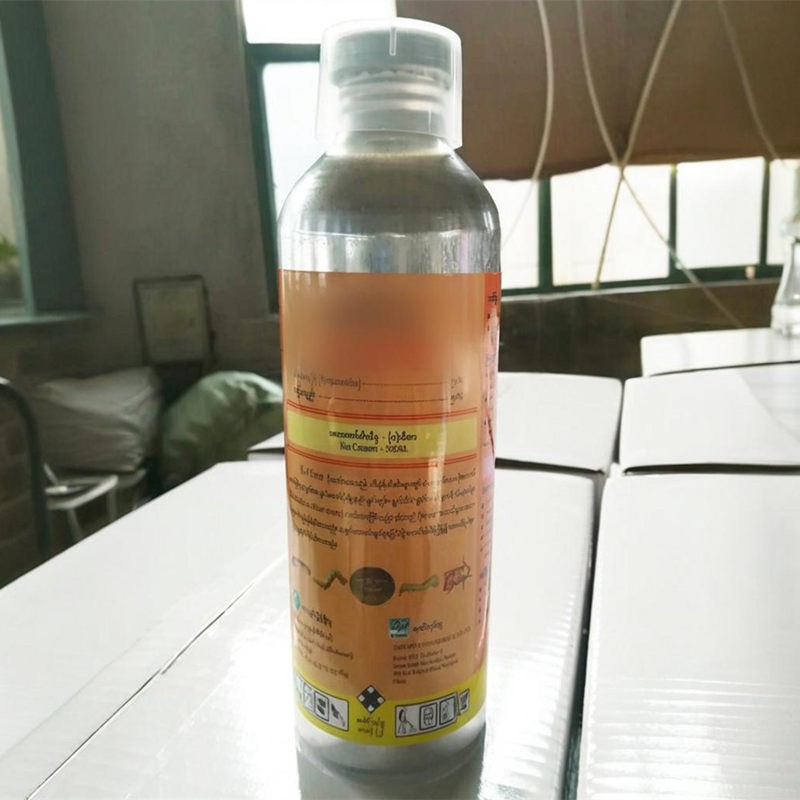
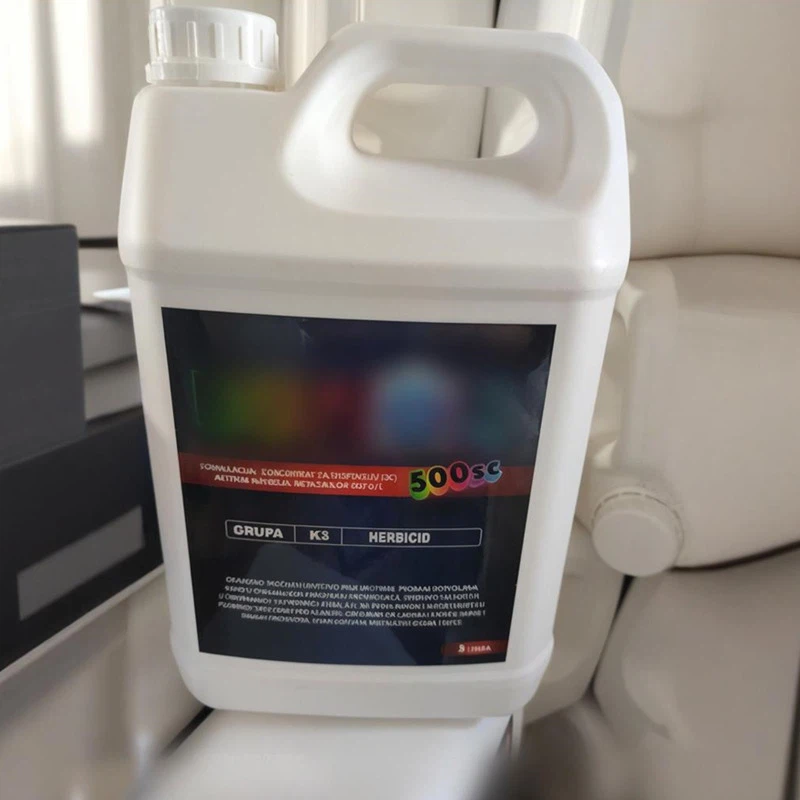
Hey there! As a supplier of pinoxaden, I often get asked about the residual activity of pinoxaden in the soil. It's a crucial topic, especially for farmers and those in the agricultural industry. So, let's dive right in and explore what this residual activity is all about.
First off, what exactly is pinoxaden? Pinoxaden is a highly effective herbicide that's widely used to control grass weeds in cereal crops. It belongs to the chemical class of pyrazolines, and it works by inhibiting the acetyl - CoA carboxylase (ACCase) enzyme in grass weeds. This disruption of the enzyme stops the synthesis of fatty acids, which are essential for the growth and survival of the weeds.
Now, let's talk about the residual activity of pinoxaden in the soil. Residual activity refers to how long the herbicide remains active in the soil after application and can still affect weeds. Pinoxaden has a relatively short to moderate residual activity in the soil.
The half - life of pinoxaden in soil typically ranges from a few days to a couple of weeks. The half - life is the time it takes for half of the initial amount of the herbicide to break down. Several factors influence this residual activity.
One of the key factors is soil type. Different soil types have different properties, such as texture, organic matter content, and pH. In soils with high organic matter content, pinoxaden tends to bind more strongly to the organic particles. This binding can slow down its degradation, which might extend its residual activity a bit. For example, in a loamy soil with a good amount of organic matter, pinoxaden may stay active for a bit longer compared to a sandy soil with low organic matter.
Soil pH also plays a role. Pinoxaden degradation is generally faster in acidic soils. If the soil pH is on the lower side, the chemical reactions that break down pinoxaden occur more rapidly, reducing its residual activity. On the other hand, in slightly alkaline soils, the degradation process might be a bit slower, leading to a relatively longer residual effect.
Another important factor is environmental conditions. Temperature and moisture are two major environmental variables. Higher temperatures usually speed up the degradation of pinoxaden in the soil. Microorganisms in the soil are more active at warmer temperatures, and they play a significant role in breaking down the herbicide. Similarly, adequate moisture is necessary for microbial activity. If the soil is too dry, the microbial breakdown of pinoxaden will slow down, and its residual activity may be prolonged.
The application rate of pinoxaden also affects its residual activity. If a higher rate of pinoxaden is applied, there will be more of the herbicide in the soil. Even though the degradation process will still occur, it will take longer to break down the larger amount of the chemical. So, higher application rates generally result in a longer - lasting residual effect.
Now, you might be wondering why the residual activity of pinoxaden is important. Well, it has implications for weed control strategies. A moderate residual activity can be beneficial as it can provide continued protection against emerging grass weeds. After the initial application, if pinoxaden remains active in the soil for a certain period, it can prevent new weed seeds from germinating and growing.
However, it's also important to be aware of the potential negative impacts. If the residual activity is too long, it could affect rotational crops. Some crops may be sensitive to pinoxaden residues in the soil. For example, if you plan to plant a sensitive crop after using pinoxaden in your cereal field, you need to make sure that the herbicide has degraded enough so that it won't harm the new crop.
As a pinoxaden supplier, I always recommend following the label instructions carefully. The label provides information on the appropriate application rate, timing, and any rotational crop restrictions. This helps to ensure that you get the most effective weed control while minimizing any potential negative impacts on the environment and future crops.
If you're looking for a reliable pinoxaden product, I'd like to introduce you to Pinoxaden 100G/L + Cloquintocet - mexyl 25G/L EC. This formulation combines pinoxaden with cloquintocet - mexyl, which acts as a safener. The safener protects the cereal crops from any potential phytotoxic effects of pinoxaden, allowing for more effective and safer weed control.
In conclusion, understanding the residual activity of pinoxaden in the soil is essential for successful weed management. By considering factors like soil type, environmental conditions, and application rate, you can make informed decisions about using pinoxaden in your fields. If you have any questions about pinoxaden or are interested in purchasing our products, feel free to reach out. We're here to assist you in achieving the best results in your agricultural operations.
References

- "Herbicide Handbook" - Weed Science Society of America
- Research papers on pinoxaden degradation in soil from agricultural research institutions.