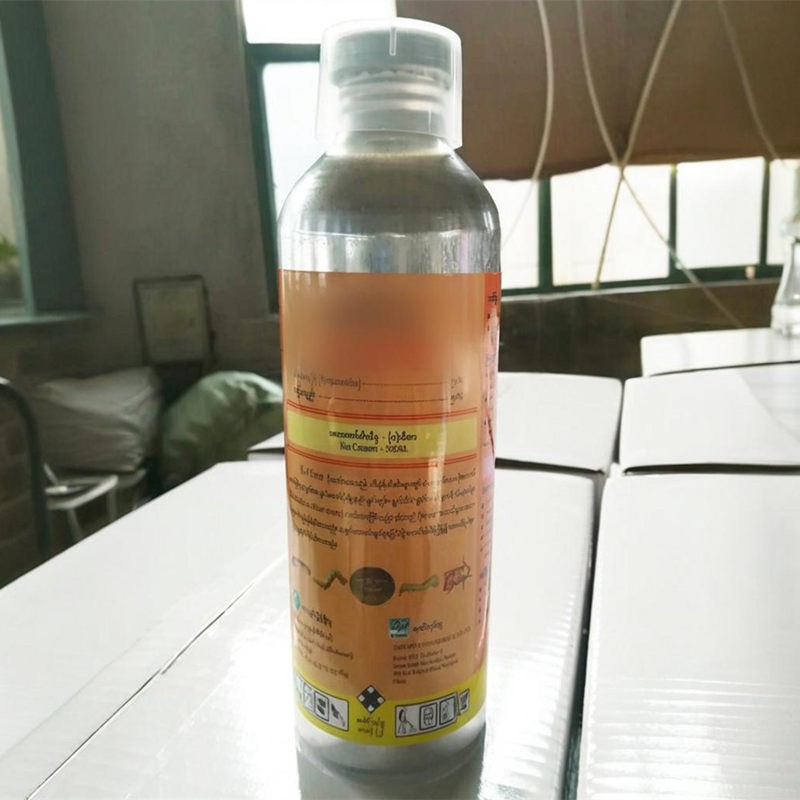
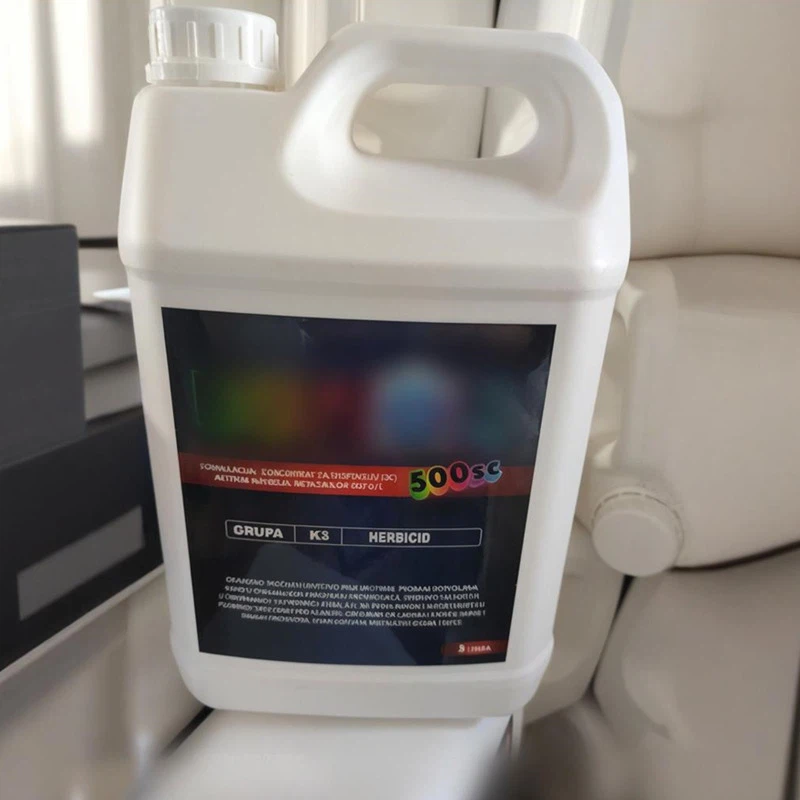
Clopyralid is a widely used herbicide known for its effectiveness in controlling broadleaf weeds in various agricultural and non - agricultural settings. As a supplier of clopyralid, one of the most frequently asked questions I encounter is about the shelf - life of this product. In this blog post, I'll delve into the factors that influence the shelf - life of clopyralid, how to properly store it to maximize its lifespan, and what signs to look for if you suspect the product has deteriorated.
Understanding Shelf - Life
The shelf - life of a chemical product like clopyralid refers to the length of time during which the product retains its chemical and physical properties within acceptable limits, ensuring its efficacy and safety for use. For clopyralid, the typical shelf - life can vary depending on several factors, including the formulation, storage conditions, and the presence of any contaminants.
Factors Affecting the Shelf - Life of Clopyralid
Formulation
Clopyralid comes in different formulations, such as emulsifiable concentrates (EC), soluble liquids (SL), and granules. Each formulation has its own stability characteristics. For example, Clopyralid 200G/L SL is a soluble liquid formulation. Soluble liquids generally have a good shelf - life as they are designed to remain stable in a liquid state. However, they can be more sensitive to temperature fluctuations compared to granules. Granular formulations are often more stable as the active ingredient is encapsulated within the granule, protecting it from environmental factors.
Storage Conditions
Storage conditions play a crucial role in determining the shelf - life of clopyralid. Temperature is one of the most significant factors. High temperatures can accelerate chemical reactions, leading to the degradation of the active ingredient. Clopyralid should be stored in a cool, dry place, preferably at temperatures between 10°C and 30°C. Extreme cold can also be a problem, as it may cause the product to freeze and potentially damage the formulation.
Humidity is another important consideration. Moisture can cause clumping in granular formulations and may also lead to the hydrolysis of the active ingredient in liquid formulations. It's essential to store clopyralid in a sealed container to prevent moisture from entering.
Exposure to light can also affect the stability of clopyralid. Ultraviolet (UV) light can break down the chemical bonds in the active ingredient, reducing its effectiveness. Therefore, it's best to store clopyralid in opaque containers or in a dark storage area.
Contaminants
The presence of contaminants in the storage environment can also impact the shelf - life of clopyralid. For example, if the product comes into contact with other chemicals, it may react and form new compounds, which can reduce its efficacy. It's important to store clopyralid away from other pesticides, fertilizers, and cleaning agents to prevent cross - contamination.

Typical Shelf - Life of Clopyralid
Under ideal storage conditions, clopyralid products usually have a shelf - life of 2 to 3 years. However, this can vary depending on the specific formulation and the manufacturer's recommendations. Some high - quality formulations may have a longer shelf - life, while others may have a shorter one. It's always a good idea to check the product label for the manufacturer's stated shelf - life and storage instructions.
Maximizing the Shelf - Life of Clopyralid
To ensure that your clopyralid product lasts as long as possible, follow these storage tips:
Temperature Control
Maintain a consistent temperature in the storage area. Avoid storing the product in areas that are subject to extreme temperature changes, such as near heaters or in uninsulated sheds. If possible, use a temperature - controlled storage facility.
Moisture Prevention
Keep the product in a dry environment. Store it in a sealed container and avoid exposing it to water or high humidity. If you notice any signs of moisture inside the container, such as condensation, take steps to dry the product immediately.
Light Protection
Store clopyralid in opaque containers or in a dark area. If the product is stored in a transparent container, consider covering it with a dark cloth or storing it in a cabinet to protect it from light.
Proper Handling
When handling clopyralid, make sure to use clean equipment. Avoid introducing any contaminants into the product. After use, tightly seal the container to prevent air and moisture from entering.
Signs of Deterioration
Even with proper storage, there may come a time when the clopyralid product starts to deteriorate. Here are some signs to look for:
Physical Changes
In liquid formulations, look for changes in color, clarity, or viscosity. If the liquid becomes cloudy, discolored, or thickens, it may indicate that the product has started to degrade. In granular formulations, check for clumping or caking. If the granules are sticking together, it could be a sign of moisture damage.
Reduced Efficacy
If you notice that the clopyralid is not controlling weeds as effectively as it used to, it may be due to product degradation. However, reduced efficacy can also be caused by other factors, such as improper application or weed resistance. It's important to rule out these other factors before concluding that the product has deteriorated.
Unusual Odor
A change in the odor of the product can also be a sign of degradation. If the clopyralid has a strong or unusual smell, it may indicate that chemical reactions have occurred, and the product is no longer suitable for use.
Conclusion
As a supplier of clopyralid, I understand the importance of ensuring that our customers receive a high - quality product with a long shelf - life. By understanding the factors that affect the shelf - life of clopyralid and following proper storage practices, you can maximize the lifespan of the product and ensure its effectiveness.
If you're in the market for clopyralid or have any questions about its shelf - life or storage, I encourage you to reach out to us for more information. We're here to help you make the most of your clopyralid purchase and ensure successful weed control in your agricultural or non - agricultural operations.
References
- Manufacturer's product labels for clopyralid formulations.
- Scientific studies on the stability of herbicides under different storage conditions.
- Industry guidelines on the storage and handling of pesticides.