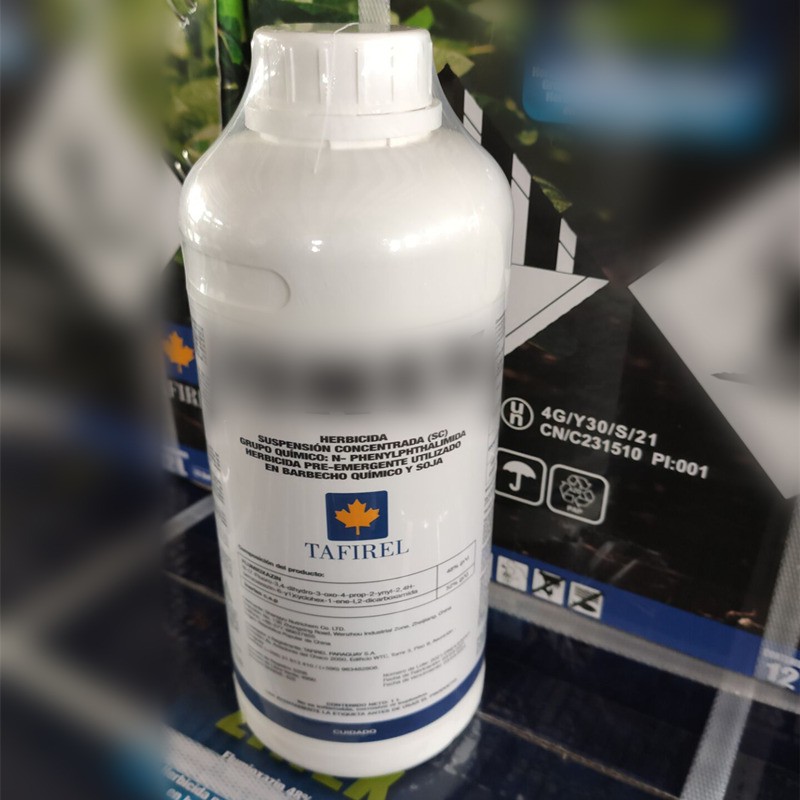
When it comes to using clopyralid, a widely used herbicide, ensuring safety is of utmost importance. As a clopyralid supplier, I understand the significance of providing clear and comprehensive information on safety precautions to our customers. In this blog, I will delve into the essential safety measures that should be taken when using clopyralid to protect both human health and the environment.
Personal Protective Equipment (PPE)
One of the first and most crucial steps in using clopyralid safely is to wear appropriate personal protective equipment (PPE). This includes chemical - resistant gloves, long - sleeved shirts, long pants, closed - toe shoes, and goggles or a face shield. Gloves should be made of materials such as nitrile or neoprene, which provide good resistance to the herbicide. The long - sleeved clothing helps to prevent skin contact, and the goggles or face shield protect the eyes and face from splashes.
For example, if you are mixing clopyralid solutions, there is a risk of splashing the concentrated herbicide. Without proper PPE, the chemical can come into contact with your skin or eyes, causing irritation, burns, or more serious health problems. Wearing PPE acts as a physical barrier between you and the potentially harmful chemical.
Handling and Mixing
When handling clopyralid, it is essential to follow strict procedures. First, always read the product label carefully before use. The label contains detailed instructions on how to handle, mix, and apply the herbicide safely.
When mixing clopyralid, use clean, dedicated equipment. Do not use containers or equipment that have previously been used for other chemicals without proper cleaning. Measure the herbicide accurately using calibrated measuring devices. Over - or under - application can lead to ineffective weed control or environmental damage.
It is also important to mix the herbicide in a well - ventilated area. Clopyralid vapors can be harmful if inhaled, and a well - ventilated space helps to disperse these vapors. For instance, if you are mixing the herbicide indoors, open windows and doors or use exhaust fans to ensure proper air circulation.
Application
During the application of clopyralid, several safety precautions should be observed. First, choose the right weather conditions. Avoid applying the herbicide on windy days to prevent drift. Drift can carry the herbicide to non - target areas, such as neighboring crops, water sources, or residential areas. This can cause damage to other plants, contaminate water, and pose a risk to human and animal health.
When applying clopyralid, use the appropriate application equipment. For example, if using a sprayer, make sure it is in good working condition and calibrated correctly. Check for leaks or blockages before use. Also, maintain a safe distance from sensitive areas during application. This includes water bodies, schools, hospitals, and residential areas.
Storage
Proper storage of clopyralid is essential to prevent accidents and ensure the longevity of the product. Store clopyralid in its original container, tightly sealed, and in a cool, dry place. Keep it out of reach of children, pets, and unauthorized personnel.
Do not store clopyralid near food, feed, or other chemicals that could react with it. For example, storing it near flammable substances can pose a fire hazard. Also, make sure the storage area is well - labeled with the name of the herbicide, its active ingredients, and any safety warnings.
Post - application
After applying clopyralid, clean all equipment thoroughly. Rinse the sprayer, measuring devices, and other tools with clean water several times. Dispose of the rinse water in a safe manner, following local regulations. Do not pour the rinse water into drains or water bodies.
Wash your hands, face, and any exposed skin thoroughly with soap and water after handling and applying the herbicide. Change your clothes and launder them separately from other laundry.
Environmental Considerations
Clopyralid can have an impact on the environment, so it is important to take steps to minimize this impact. Avoid applying the herbicide near water sources such as rivers, lakes, and ponds. The herbicide can contaminate water and harm aquatic life.
Be aware of the potential impact on non - target plants. Some plants are more sensitive to clopyralid than others. For example, legumes and certain ornamentals can be severely damaged by clopyralid. Before applying the herbicide, identify the plants in the area and determine if they are at risk.

Training and Education
It is highly recommended that anyone handling or applying clopyralid receive proper training. Training should cover the safety precautions, handling procedures, and environmental considerations associated with the herbicide. This can help to reduce the risk of accidents and ensure that the herbicide is used effectively and safely.
As a clopyralid supplier, we offer resources and training materials to our customers to help them use our products safely. We believe that informed and trained users are more likely to use our products in a responsible manner.
Conclusion
Using clopyralid safely requires a combination of proper personal protective equipment, careful handling and mixing, appropriate application techniques, proper storage, and environmental awareness. By following these safety precautions, users can protect themselves, the environment, and ensure effective weed control.
If you are interested in purchasing high - quality clopyralid, such as Clopyralid 200G/L SL, please feel free to contact us for procurement discussions. We are committed to providing you with the best products and services, along with all the necessary safety information.
References
- Product labels of clopyralid herbicides
- Agricultural chemical safety guidelines published by relevant government agencies
- Research studies on the environmental impact and safety of clopyralid