As a supplier of imazapic, I've received numerous inquiries about the legal requirements associated with its use. Imazapic is a widely - used herbicide known for its effectiveness in controlling a variety of broadleaf weeds and grasses. In this blog, I'll delve into the legal aspects that users, farmers, and other stakeholders need to be aware of when using imazapic.
Regulatory Bodies and Their Roles
In most countries, the use of pesticides like imazapic is regulated by government - appointed agencies. For example, in the United States, the Environmental Protection Agency (EPA) is responsible for evaluating and registering pesticides. The EPA assesses the safety of imazapic for human health, the environment, and non - target organisms. They review data on toxicity, environmental fate, and efficacy before deciding whether to approve the use of imazapic in the country.
In the European Union, the European Food Safety Authority (EFSA) plays a similar role. EFSA conducts risk assessments and provides scientific opinions on pesticides. Based on these opinions, the EU member states make decisions regarding the authorization of pesticides, including imazapic.
In other parts of the world, countries have their own regulatory bodies. For instance, in Australia, the Australian Pesticides and Veterinary Medicines Authority (APVMA) manages the registration and regulation of pesticides. These regulatory bodies ensure that imazapic is used in a way that minimizes risks and maximizes benefits.
Registration Requirements
Before imazapic can be legally sold or used in a country, it must be registered with the relevant regulatory agency. The registration process involves submitting a large amount of data. Manufacturers need to provide information on the chemical composition of imazapic, its manufacturing process, and its physical and chemical properties.

Toxicity data is also crucial. This includes acute toxicity studies (such as tests on rats to determine the lethal dose), chronic toxicity studies (to assess long - term effects), and studies on the effects of imazapic on reproduction and development. Environmental fate studies are another important part of the registration process. These studies examine how imazapic behaves in the environment, such as its persistence in soil, water, and air, and its potential to bioaccumulate in organisms.
Efficacy data is also required. Manufacturers need to demonstrate that imazapic is effective in controlling the target weeds under normal use conditions. Once all these data are submitted and reviewed, and if the regulatory agency is satisfied that imazapic meets the safety and efficacy standards, it will be registered for use.
Labeling Requirements
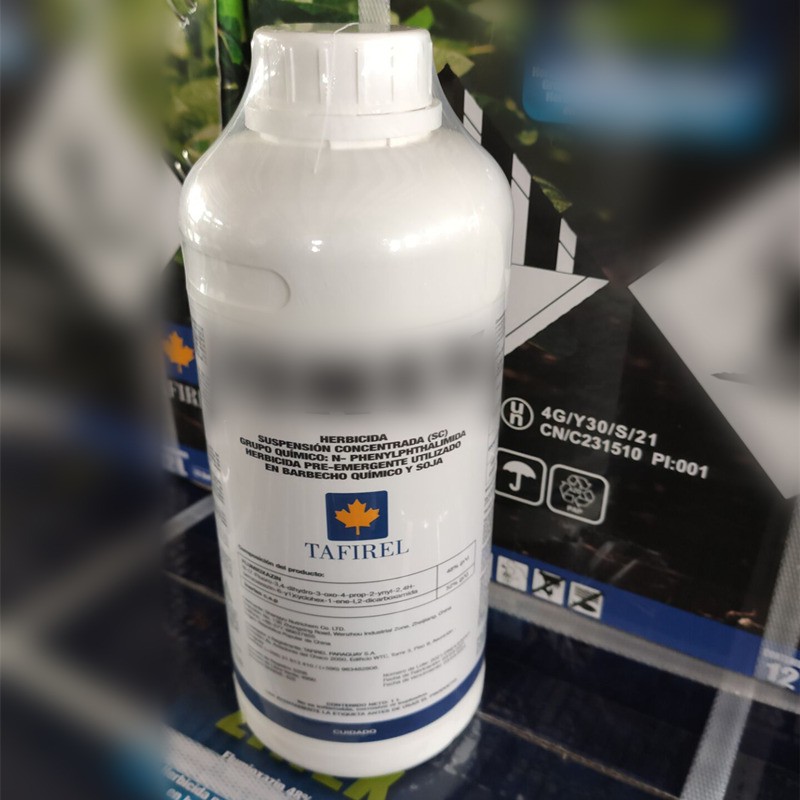
One of the most important legal requirements for using imazapic is following the instructions on the product label. The label is a legal document that provides detailed information on how to use imazapic safely and effectively. It includes information on the target pests, application rates, application methods, and safety precautions.
The label will specify the crops or areas where imazapic can be used. For example, it may state that imazapic can be used on soybeans but not on certain types of vegetables. It will also give the recommended dosage. Using more or less than the recommended amount can not only reduce the effectiveness of the herbicide but also pose risks to the environment and human health.
Safety precautions on the label are essential. They may include instructions on wearing protective clothing such as gloves, goggles, and respirators when handling imazapic. The label also provides information on what to do in case of accidental exposure, such as contacting a poison control center immediately.
Use Restrictions
There are often use restrictions associated with imazapic. These restrictions are put in place to protect the environment, non - target organisms, and human health. For example, there may be buffer zone requirements. A buffer zone is an area around sensitive areas such as water bodies, residential areas, or areas with endangered species where imazapic cannot be applied. This helps to prevent the herbicide from reaching these sensitive areas and causing harm.
There may also be restrictions on the timing of application. Imazapic may need to be applied at a specific growth stage of the crop or weed for optimal efficacy. Applying it at the wrong time can reduce its effectiveness and may also increase the risk of environmental contamination.
Record - Keeping Requirements
In many regions, users of imazapic are required to keep records of their pesticide use. These records typically include information such as the date of application, the amount of imazapic used, the location of application, and the crops or areas treated. Record - keeping serves several purposes. It helps farmers and other users to manage their pesticide use more effectively, and it also allows regulatory agencies to monitor compliance with the legal requirements.
International Trade and Legal Requirements
If you're involved in the international trade of imazapic, there are additional legal requirements to consider. Different countries may have different registration and labeling requirements. For example, a product that is registered in one country may not be registered in another. Exporters need to ensure that their products meet the requirements of the importing country.
There may also be regulations related to the packaging and transportation of imazapic. It needs to be packaged in a way that prevents leakage and ensures safe handling during transportation.
The Role of Our Company as an Imazapic Supplier
As a supplier of imazapic, we are committed to ensuring that our customers are aware of all the legal requirements associated with its use. We provide detailed product information, including the product label, to our customers. Our technical support team is available to answer any questions that customers may have regarding the legal use of imazapic.
We also stay updated on the latest regulatory changes in different countries. This allows us to inform our customers in a timely manner if there are any new requirements or restrictions. For example, if a new buffer zone requirement is introduced in a particular region, we will make sure that our customers in that area are aware of it.
We offer a high - quality imazapic product, such as Imazethapyr 100G/L SL, which meets all the relevant regulatory standards. Our product has been rigorously tested to ensure its safety and efficacy.
Conclusion
In conclusion, there are numerous legal requirements for using imazapic. These requirements are in place to protect human health, the environment, and non - target organisms. As a supplier, we understand the importance of these requirements and are dedicated to helping our customers use imazapic legally and safely.
If you are interested in purchasing imazapic for your agricultural or weed - control needs, we invite you to contact us for more information. Our team is ready to assist you with all your procurement inquiries and to ensure that you have a smooth and compliant experience with our product.
References
- Environmental Protection Agency (EPA). Pesticide Registration Manual.
- European Food Safety Authority (EFSA). Scientific Opinions on Pesticides.
- Australian Pesticides and Veterinary Medicines Authority (APVMA). Pesticide Registration Guidelines.