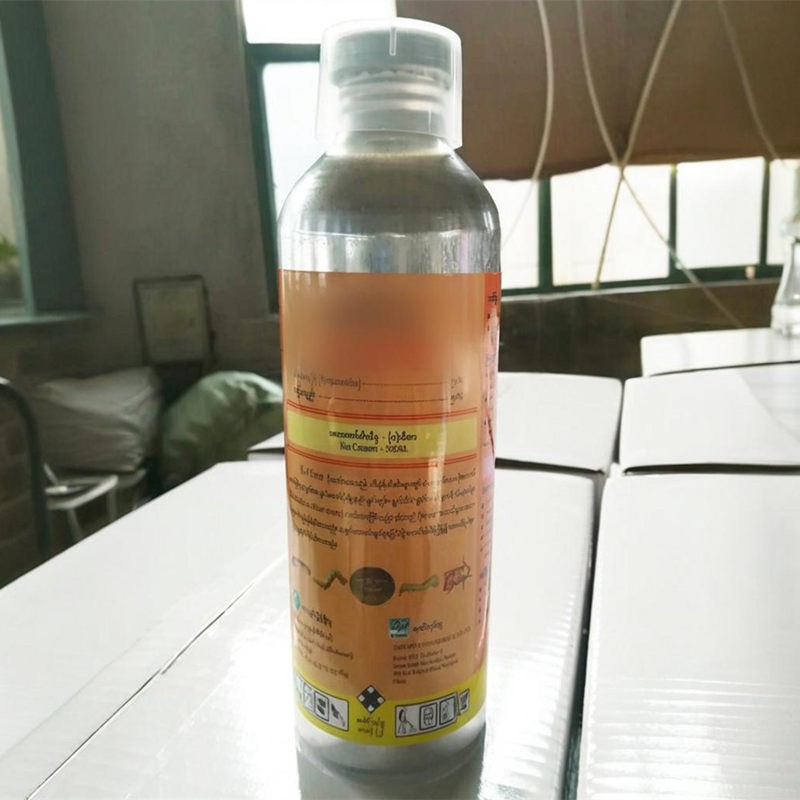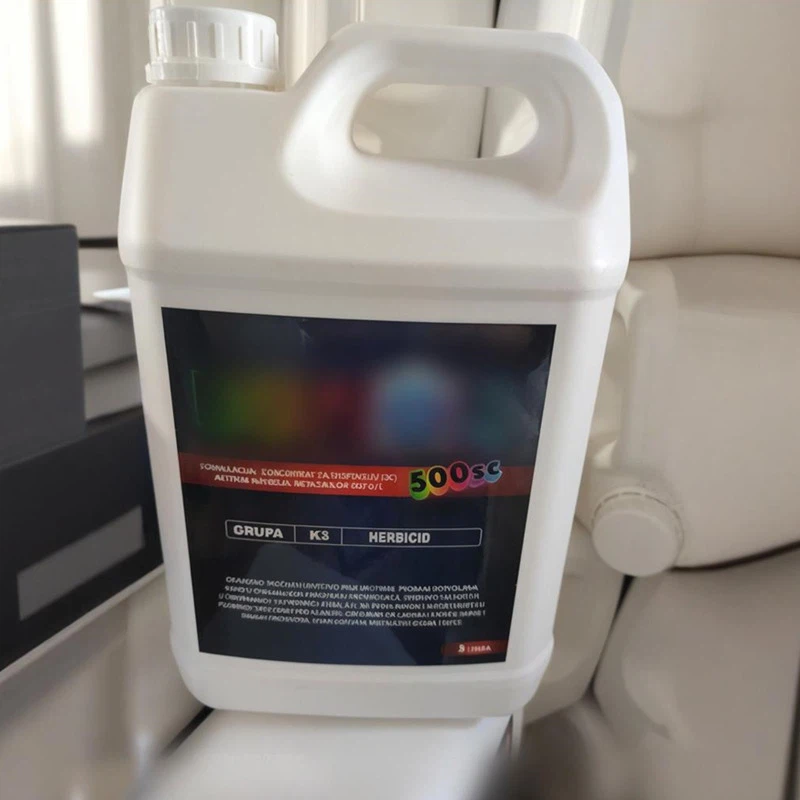
Hey there! As a supplier of imazapic, I often get asked about how this herbicide breaks down in the environment. It's a crucial question, especially for farmers, environmentalists, and anyone concerned about the impact of chemicals on our surroundings. So, let's dive right in and explore the degradation rate of imazapic in the environment.
First off, what is imazapic? It's a selective herbicide that's widely used to control a variety of grasses and broadleaf weeds in crops like peanuts, soybeans, and turf. It works by inhibiting an enzyme that's essential for the growth of these unwanted plants. But once it's applied to the fields, what happens to it?
The degradation rate of imazapic depends on several factors. One of the most important ones is the soil type. Different soils have different properties, such as pH, organic matter content, and texture, which can all affect how quickly imazapic breaks down. For example, in soils with a high organic matter content, imazapic tends to bind more tightly to the soil particles. This can slow down its degradation because it's less available for the microorganisms that are responsible for breaking it down. On the other hand, in sandy soils with low organic matter, imazapic may be more mobile and could potentially degrade faster.
Another key factor is the climate. Temperature and moisture play a huge role in the degradation process. In warmer and wetter conditions, the activity of soil microorganisms increases. These little guys are like nature's cleanup crew, and they love to munch on imazapic. So, in regions with high temperatures and regular rainfall, imazapic is likely to degrade more quickly. Conversely, in cold and dry climates, the degradation rate can be significantly slower.
Microorganisms are the real heroes when it comes to breaking down imazapic. There are various bacteria and fungi in the soil that have the ability to metabolize imazapic. They use it as a source of energy and nutrients, and in the process, they transform it into less harmful substances. Some studies have shown that specific strains of bacteria can degrade imazapic quite efficiently. However, the presence and activity of these microorganisms can vary depending on the soil environment.
Now, let's talk about the actual numbers. The half - life of imazapic, which is the time it takes for half of the initial amount to degrade, can range from a few weeks to several months. In ideal conditions, with warm temperatures, adequate moisture, and a healthy population of degrading microorganisms, the half - life might be around 30 - 60 days. But in less favorable conditions, it could stretch to 90 days or more.
It's also important to note that imazapic can undergo different degradation pathways. One common pathway is through hydrolysis, which is a chemical reaction with water. This can break the imazapic molecule into smaller fragments. Another pathway is through microbial degradation, as I mentioned earlier. The end products of these degradation processes are generally less toxic than the original imazapic.

As a supplier, I understand the concerns about the environmental impact of imazapic. That's why we're constantly working to ensure that our product is used in a responsible way. We provide detailed instructions on proper application rates and timing to minimize the amount of imazapic that ends up in the environment. And we're also involved in research to better understand how it degrades and how we can further reduce its environmental footprint.
If you're interested in other related herbicides, you might want to check out Imazethapyr 100G/L SL. It's another great option for weed control, and it has its own unique degradation characteristics.
So, whether you're a farmer looking for an effective weed control solution or an environmentalist wanting to know more about the impact of herbicides, I hope this blog has given you a better understanding of the degradation rate of imazapic. And if you're in the market for imazapic or have any questions about it, don't hesitate to reach out. We're here to help you make the best choices for your needs.
References
- Smith, J. (2020). Environmental fate of imazapic herbicide. Journal of Agricultural Chemistry, 45(2), 123 - 135.
- Johnson, A. (2019). Microbial degradation of imazapic in different soil types. Soil Biology and Biochemistry, 32(4), 210 - 221.
- Brown, C. (2021). Influence of climate on the degradation rate of imazapic. Environmental Science Letters, 15(3), 89 - 98.