Are there any resistance issues with imidacloprid?
As a supplier of imidacloprid, I've been closely following the discussions and research around the potential resistance issues associated with this widely - used insecticide. Imidacloprid belongs to the neonicotinoid class of insecticides, which has been a cornerstone in pest management for decades.
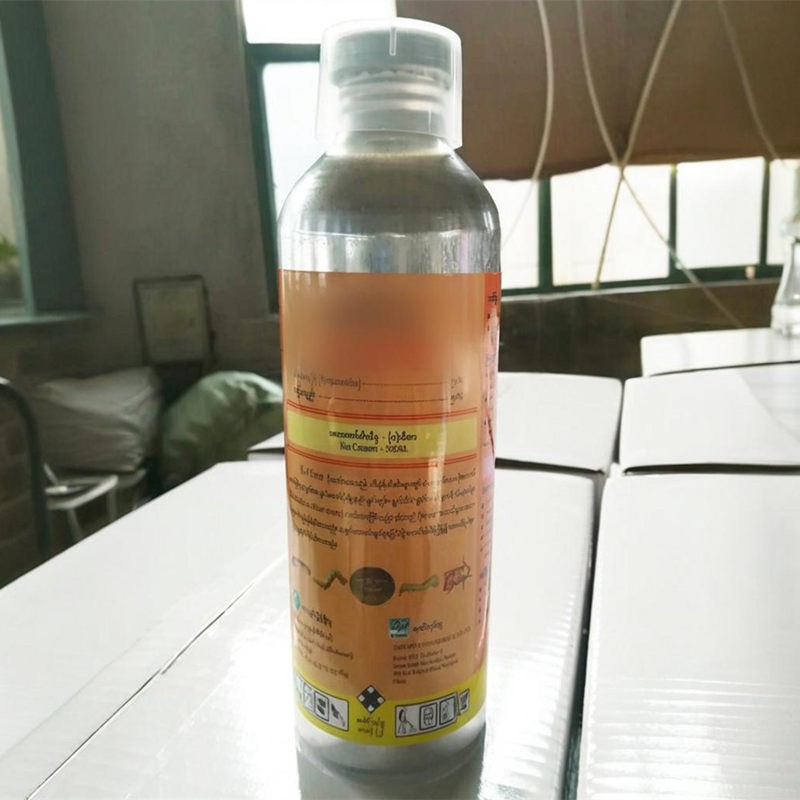
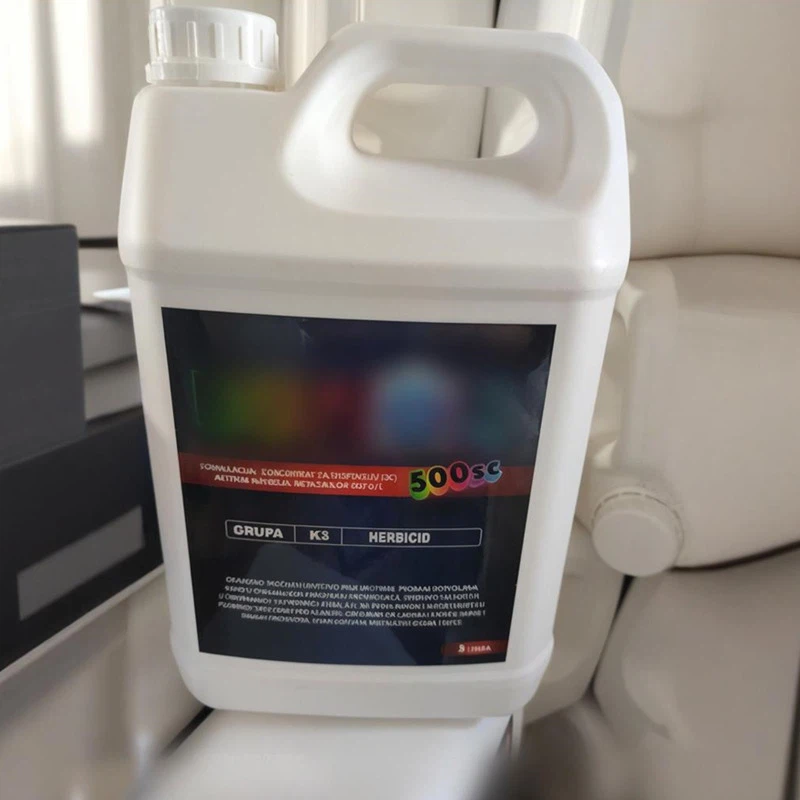
Imidacloprid works by targeting the nicotinic acetylcholine receptors in insects' nervous systems. When an insect comes into contact with or ingests imidacloprid, it disrupts the normal transmission of nerve impulses, leading to paralysis and eventually death. This mode of action is highly effective against a broad spectrum of pests, including aphids, whiteflies, thrips, and many others. It has been used in various formulations, such as Imidacloprid 350G/L SC, which is popular for its ease of application and good efficacy.
However, the widespread and sometimes over - reliant use of imidacloprid has raised concerns about the development of resistance in insect populations. Resistance occurs when a population of insects evolves the ability to survive exposure to a particular insecticide that would normally kill them. This is a natural consequence of the selective pressure exerted by the insecticide on the pest population.
In some regions, there have been reports of reduced efficacy of imidacloprid against certain pests. For example, in areas where imidacloprid has been used intensively for many years to control aphids in agricultural fields, some aphid populations have shown signs of resistance. Studies have indicated that these resistant aphids may have genetic mutations that alter the structure of the nicotinic acetylcholine receptors, reducing the binding affinity of imidacloprid to these receptors. As a result, the normal nerve - disrupting effect of imidacloprid is diminished, and the aphids can survive the treatment.
The development of resistance is not an overnight process. It is often a gradual phenomenon that is influenced by several factors. One of the key factors is the frequency of imidacloprid application. If farmers or pest control operators rely too heavily on imidacloprid and use it repeatedly in short intervals, the selection pressure on the pest population is increased. This gives the insects with any pre - existing genetic mutations that confer resistance a greater chance of survival and reproduction. Over time, the proportion of resistant individuals in the population increases, leading to a decrease in the overall effectiveness of the insecticide.
Another factor is the mobility of pests. Insects that can move easily between treated and untreated areas can spread resistance genes more quickly. For instance, some flying insects like whiteflies can migrate from one field to another. If a resistant whitefly population develops in one area and then spreads to neighboring fields, it can cause problems for farmers who rely on imidacloprid for pest control.
The genetic diversity of the pest population also plays a role. Pests with high genetic diversity are more likely to have individuals with mutations that can confer resistance. In contrast, populations with low genetic diversity may be less likely to develop resistance, at least in the short term.
To address the issue of resistance, integrated pest management (IPM) strategies are crucial. IPM involves the combination of different pest control methods, including biological control, cultural practices, and the judicious use of chemical insecticides. For example, introducing natural predators or parasites of the pests can help reduce the pest population without relying solely on imidacloprid. Cultural practices such as crop rotation, intercropping, and proper sanitation can also disrupt the life cycle of pests and reduce their numbers.
When it comes to the use of imidacloprid, it is important to follow the recommended application rates and intervals. This helps to maintain the effectiveness of the insecticide and reduces the risk of resistance development. Additionally, alternating imidacloprid with other insecticides that have different modes of action can also be an effective strategy. For example, using a pyrethroid - based insecticide in rotation with imidacloprid can target different physiological processes in the pests, making it more difficult for them to develop resistance.
As a supplier of imidacloprid, we are aware of these resistance issues and are committed to providing our customers with the best advice on how to use our products effectively. We work closely with agricultural extension services, researchers, and farmers to promote the proper use of imidacloprid and to develop strategies to manage resistance.
We understand that the success of pest control is crucial for the agricultural industry. That's why we offer high - quality imidacloprid products, such as Imidacloprid 350G/L SC, which are formulated to ensure maximum efficacy while minimizing the risk of resistance. Our products are also backed by extensive research and development to continuously improve their performance.
If you are facing pest problems and are considering using imidacloprid, we encourage you to reach out to us. Our team of experts can provide you with detailed information on the proper use of imidacloprid, taking into account the specific pest species, your local agricultural conditions, and the risk of resistance in your area. We can also assist you in developing an integrated pest management plan that suits your needs. Contact us to start a discussion about your pest control requirements and explore how our imidacloprid products can help you achieve better results.

References
- Nauen, R., & Denholm, I. (2005). Resistance to neonicotinoid insecticides in aphids: cross-resistance, molecular mechanisms and management strategies. Pest Management Science, 61(10), 950 - 957.
- Simon - Delso, N., Amaral - Rocha, V. H., Nauen, R., & Goulson, D. (2015). Neonicotinoid pesticides: a systematic review of environmental fate, toxicity and implications for human health. Environmental Science and Pollution Research, 22(12), 8977 - 9002.
- Storer, N. P., & Kerns, D. L. (2018). Insecticide resistance management in cotton. Annual Review of Entomology, 63, 311 - 327.