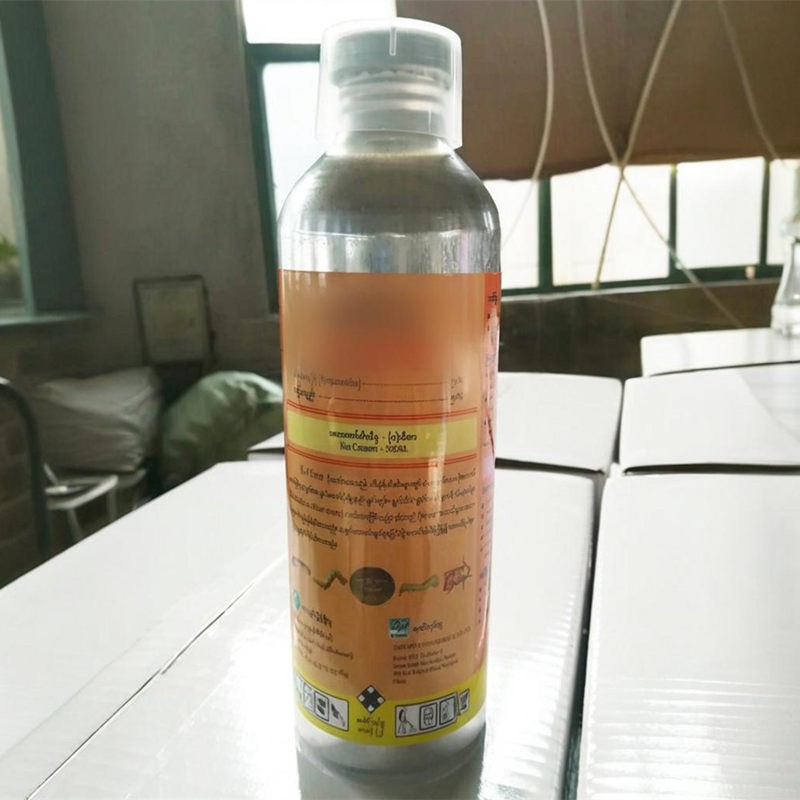
What is the effect of flumioxazin on crop growth?
Hey there, fellow farmers and agricultural enthusiasts! I'm a supplier of flumioxazin, and I'm super excited to chat with you about how this amazing herbicide can impact crop growth.
First off, let's get to know flumioxazin a bit better. Flumioxazin is a pre - emergence and early post - emergence herbicide. It belongs to the N - phenylphthalimide family. This herbicide works by inhibiting protoporphyrinogen oxidase (PPO), an enzyme that's crucial in the synthesis of chlorophyll. When weeds are exposed to flumioxazin, the disruption of this enzyme leads to the accumulation of toxic compounds, which eventually causes cell membrane damage and the death of the weeds.
Now, onto the big question: what's the effect of flumioxazin on crop growth?
Positive Effects on Crop Growth
1. Weed Control
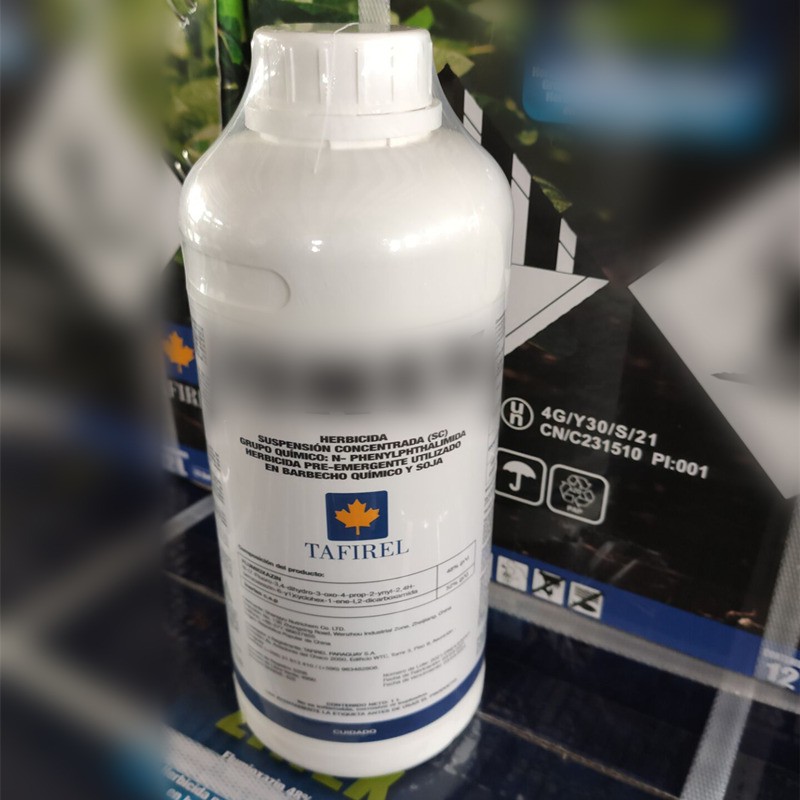
The most obvious and significant effect of flumioxazin on crop growth is its excellent weed - control ability. Weeds are like unwanted guests in your crop field. They compete with your crops for essential resources such as sunlight, water, and nutrients. By using Flumioxazin 480G/L SC, you can effectively keep those pesky weeds at bay.
For example, in soybean fields, flumioxazin can control a wide range of broadleaf weeds, including pigweed, lambsquarters, and velvetleaf. When these weeds are under control, soybean plants have more access to sunlight for photosynthesis. They can absorb more water from the soil and take up nutrients like nitrogen, phosphorus, and potassium more efficiently. As a result, the soybean plants grow stronger, with better - developed root systems and more vigorous foliage. This often translates into higher yields and better - quality soybeans at harvest time.
The same goes for other crops like peanuts, cotton, and grapes. In peanut fields, flumioxazin helps to suppress weeds such as morning glory and sicklepod. This allows peanut plants to grow without being overshadowed or out - competed by weeds. In cotton fields, it can control weeds like Palmer amaranth, which is a notoriously aggressive weed. And in grape vineyards, flumioxazin helps to keep the weed population in check, ensuring that the grapevines can focus on producing high - quality grapes for wine - making or fresh consumption.
2. Reduced Crop Stress
When you control weeds effectively with flumioxazin, you're also reducing a significant source of stress for your crops. Weeds not only compete for resources but can also harbor pests and diseases. By eliminating or reducing the weed population, you're creating a healthier growing environment for your crops.
For instance, some weeds can attract insects that can also damage your crops. By using flumioxazin to get rid of these weeds, you're indirectly protecting your crops from pest infestations. Additionally, weeds can serve as hosts for plant diseases. When you keep the weed population low, the risk of disease spread from weeds to your crops is significantly reduced. This means that your crops can grow in a relatively stress - free environment, which is beneficial for their overall growth and development.
Potential Negative Effects on Crop Growth (and How to Mitigate Them)
1. Crop Sensitivity
Although flumioxazin is generally safe for many crops, some crops may be more sensitive to it than others. For example, certain varieties of lettuce may show signs of phytotoxicity (plant damage caused by chemicals) if exposed to high doses of flumioxazin. Phytotoxicity can manifest as leaf discoloration, stunted growth, or even death of the affected plants.
But don't worry! There are ways to mitigate this risk. The key is to follow the recommended application rates. Always read the product label carefully and apply flumioxazin at the appropriate dosage for your specific crop. In addition, conducting a small - scale test on a small area of your field before large - scale application can help you determine if your crop variety is sensitive to the herbicide.
2. Residue Effects
Flumioxazin can persist in the soil for a certain period of time. In some cases, this residual activity can affect subsequent crops if the rotation is not properly planned. For example, if you use flumioxazin in a field and then plant a sensitive crop too soon, the remaining herbicide in the soil may cause damage to the new crop.
To avoid this issue, it's important to follow the crop rotation guidelines provided on the flumioxazin product label. These guidelines will tell you how long you need to wait before planting different crops after applying flumioxazin. By following these recommendations, you can ensure that the residual effects of the herbicide do not harm your subsequent crops.
Application Tips for Optimal Crop Growth
To make the most of flumioxazin and ensure its positive impact on crop growth, here are some application tips:
- Timing is Key: Apply flumioxazin at the right time. For pre - emergence applications, it's best to apply the herbicide just before or immediately after planting your crops. This allows the herbicide to form a protective barrier in the soil, preventing weed seeds from germinating. For early post - emergence applications, apply it when the weeds are young and actively growing. Older weeds are often more difficult to control.
- Proper Mixing and Application: Make sure to mix flumioxazin thoroughly with water or other tank - mix partners as recommended. Use the correct application equipment, such as a calibrated sprayer, to ensure even coverage of the herbicide on the soil or crop surface. Uneven application can lead to inconsistent weed control and may also increase the risk of crop damage.
Conclusion
In conclusion, flumioxazin can have a profound and mostly positive effect on crop growth. Its ability to control weeds effectively, reduce crop stress, and create a healthier growing environment makes it a valuable tool for farmers. However, it's important to be aware of the potential negative effects and take appropriate measures to mitigate them.
If you're interested in using flumioxazin to improve the growth of your crops and boost your yields, I'd love to have a chat with you. Whether you have questions about application, dosage, or crop compatibility, I'm here to help. Let's start a conversation about how flumioxazin can work for your farm.
References
- Duke, S. O., & Powles, S. B. (2008). Protoporphyrinogen oxidase - inhibiting herbicides. Pest Management Science, 64(4), 319 - 325.
- Senseman, S. A. (Ed.). (2007). Herbicide Handbook (9th ed.). Weed Science Society of America.